August 27, 2026
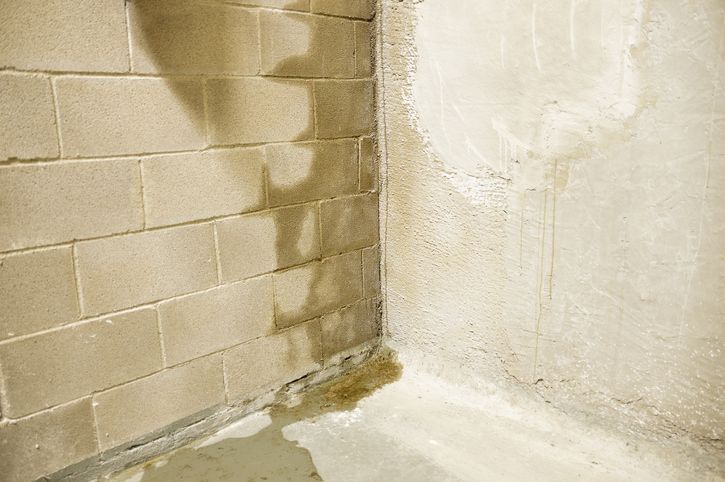
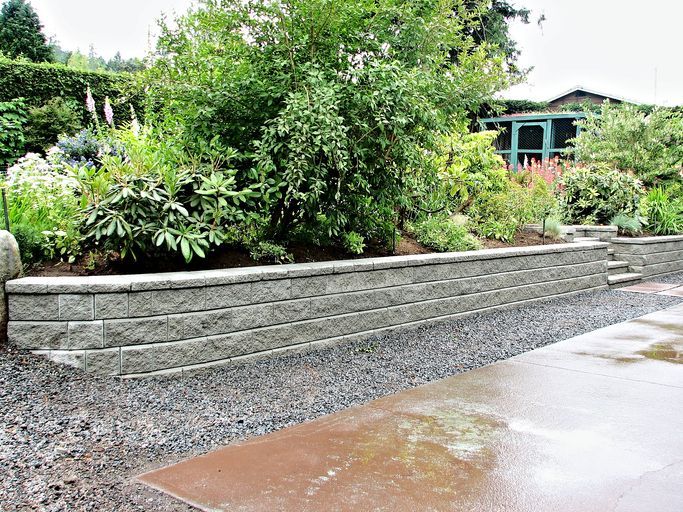
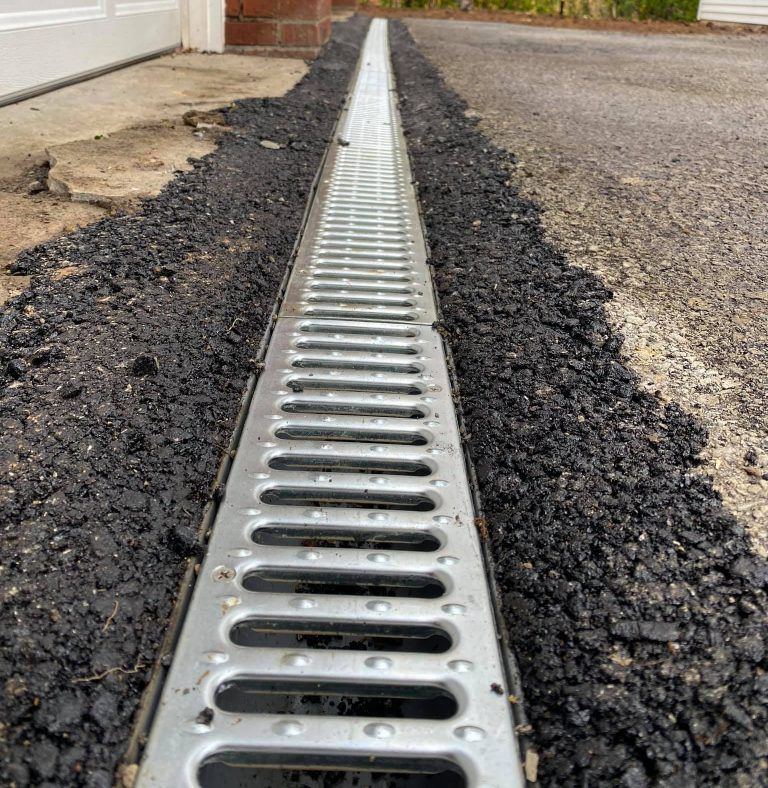
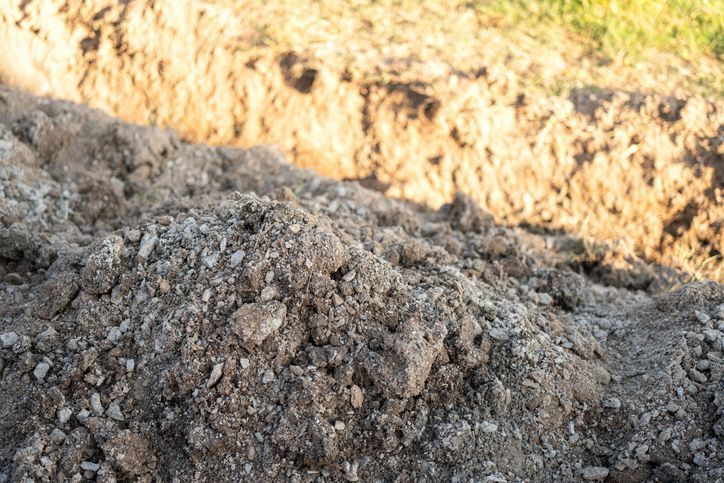
Most homeowners associate drainage problems with heavy rain, standing water, soggy lawns, or a wet basement. Those are some of the most noticeable signs that water is not moving properly around a property. However, drainage issues do not necessarily disappear when the weather turns dry. Extended periods without rain can reveal different clues about how soil and water behave around your home. Cracking soil, changes around foundation walls, and compacted areas of the yard can provide information about conditions that may become more noticeable when rain returns. Understanding these warning signs can help Pittsburgh homeowners identify potential drainage concerns before the next stretch of wet weather. Why Dry Weather Can Reveal Drainage Problems A drainage system has to manage changing conditions throughout the year. During wet periods, the challenge is moving excess water away from areas where it can collect. During dry periods, changes in soil moisture can make existing conditions easier to see. Soil can contract as it loses moisture. Areas that have experienced repeated saturation and drying may also settle or compact differently across the property. These changes do not automatically mean there is a serious drainage problem, but they can provide useful clues when considered alongside what happens during rainfall. For example, a low area that repeatedly holds water during storms may look unusually hard, cracked, or compacted after an extended dry period. Paying attention to both wet-weather and dry-weather conditions gives you a better picture of how water moves across your property. Cracking Soil Can Tell You Something About Water Movement Visible cracks in dry soil are one of the easiest changes for homeowners to notice. Soil naturally changes as moisture levels rise and fall, and drying can cause some soils to shrink. The important question is not simply whether you see a crack. Look at where changes are occurring and whether those areas correspond with previous drainage problems. Pay particular attention to soil near: Foundation walls Downspout discharge locations Low areas of the yard Patios and walkways Retaining walls Areas where water regularly pools after storms If the same location becomes saturated after rainfall and extremely dry or cracked during periods without rain, the property may be experiencing significant swings in soil moisture. Addressing the way water reaches and leaves that area can be part of creating more consistent drainage conditions. Watch for Changes Around Foundation Walls Your foundation is another important area to observe during dry weather. Changes in soil conditions around a foundation can occur as moisture levels fluctuate. Homeowners may also notice cracks or changes in existing cracks and wonder whether drainage is contributing to the problem. A wall crack by itself does not tell you the cause. There are different reasons cracks can develop, which is why the location, size, direction, and surrounding property conditions matter. Pittsburgh Drain Guys provides additional information about what causes wall cracks and the factors property owners should consider when they notice changes. From a drainage perspective, it is particularly useful to look at what is happening outside the affected area. Does water collect against that portion of the foundation when it rains? Does a downspout discharge nearby? Does the ground slope toward the house instead of away from it? Those observations can help determine whether water management should be part of the larger conversation. Compacted Soil Can Affect Where Water Goes Dry weather can also make compacted areas easier to identify. Compacted soil has less open space for water to move through. When rain eventually returns, water may have difficulty soaking into those areas and instead travel across the surface. That runoff has to go somewhere. Depending on the property's grading, it could move toward a low section of the yard, collect alongside a patio, travel toward a neighboring property, or end up near the foundation. This is one reason drainage problems cannot always be solved by looking only at the place where water eventually appears. The source and path of the runoff also need to be considered. Dry Conditions Can Help Reveal Low Spots and Grading Issues Standing water makes a drainage problem obvious. When everything is dry, homeowners have an opportunity to look more closely at the shape of the property itself. Walk around the home and look at the grade. Ideally, surface water should have a clear path that does not direct it toward the foundation. Look for depressions, settled areas, or sections where the ground appears to slope toward the house. Also consider changes that have been made to the property over time. Patios, additions, landscaping, walkways, retaining walls, and other improvements can alter the way runoff travels. A problem may not become obvious until a significant rainfall exposes it. Recognizing these conditions during dry weather provides an opportunity to investigate before the yard is saturated. Pay Attention to Downspouts Even When It Isn't Raining Downspouts are easy to forget about when the weather is dry, but this can be a good time to inspect where they discharge. Roof runoff can concentrate a significant amount of water into relatively small areas around a property. If that water is released too close to the foundation or into an area with poor drainage, it can contribute to recurring water problems. Look at where each downspout ends and consider the surrounding grade. If it feeds into an underground drainage system, visible settling or other changes around the drainage route may also deserve attention. The goal is not simply to move roof water out of the gutter. It needs to reach an appropriate location without creating another drainage problem elsewhere on the property. What Happens When Rain Returns? Dry weather can make homeowners feel like a drainage problem has resolved itself. Unfortunately, the real test comes when rainfall returns. If water does not have an effective route through or away from the property, the same low spots may fill again. Runoff may return to the foundation. Compacted areas may shed water instead of absorbing it. Existing drainage systems may struggle to keep up. That is why observing your property in different weather conditions can be valuable. After the next substantial rainfall, compare what you see with the conditions you noticed when the yard was dry. Look for water collecting in previously cracked or compacted areas, runoff moving toward the house, overflowing drainage points, or soil remaining saturated significantly longer than surrounding areas. Those patterns can provide much more useful information than looking at a single puddle in isolation. Drainage Problems Can Affect More Than Your Yard Managing drainage is ultimately about protecting the property as a whole. Repeated water problems can affect landscaping, usable outdoor areas, foundations, basements, and other parts of a property. Visible water concerns can also become important when maintaining, improving, or eventually selling a home. Our guide to how poor drainage can devalue your property explains why water management should be viewed as part of long-term property maintenance rather than simply a response to the occasional puddle. Identifying drainage concerns early gives homeowners more time to understand what is happening and determine an appropriate solution. What Drainage Solutions May Be Considered? There is no single drainage system that is appropriate for every wet yard or foundation problem. The right approach depends on where the water originates, how it travels across the property, the grade, soil conditions, and where that water can safely be directed. Depending on the property, a professional drainage plan may involve solutions such as French drains, surface drainage, downspout drainage, grading adjustments, or another approach designed around the specific water problem. This is why identifying the cause matters. Installing a drain in the place where water happens to collect does not necessarily address why the water is getting there. A professional evaluation can look at the property as a complete drainage system instead of treating individual symptoms separately. Don't Wait for a Downpour to Think About Drainage A dry yard can still tell you a lot about how your property handles water. Cracking soil, compacted areas, changes around the foundation, low spots, and questionable grading can all be reasons to pay closer attention. None of these signs automatically proves that you have a serious drainage problem, but they can help you identify areas worth monitoring when rain returns. If you've already experienced standing water, basement moisture, runoff near your foundation, or other recurring water problems, dry weather can be a convenient time to have the property evaluated. Pittsburgh Drain Guys can assess your property's drainage conditions and help determine what is contributing to the problem. Contact Pittsburgh Drain Guys to discuss your drainage concerns and find a solution designed for your property.