The Cost of Neglect: How Poor Drainage Can Devalue Your Property
Property ownership comes with a myriad of concerns, from market fluctuations to interior design trends. Yet one issue that often flies beneath homeowners' radar is the humble drainage system. "Drainage? What does that have to do with property value?" you might ask. The short answer is everything. 


Neglecting proper drainage can lead to a cascade of problems that are not only inconvenient but can also significantly devalue your property over time. In this extensive guide, we will dissect the prominence of drainage in your property's worth, outline the ramifications of poor drainage, and present the silver lining of investing in effective solutions.


For homeowners seeking to safeguard and enhance their biggest asset – their home – understanding and acting on this often-neglected aspect of property maintenance is crucial.


The Importance of Drainage in Property Valuation


Drainage might not be at the top of your mind when you consider your home's worth, but it plays a crucial role in the functionality and attractiveness of any property. A smoothly operating drainage system ensures that water is channeled away from your home, preventing structural and aesthetic damage. 


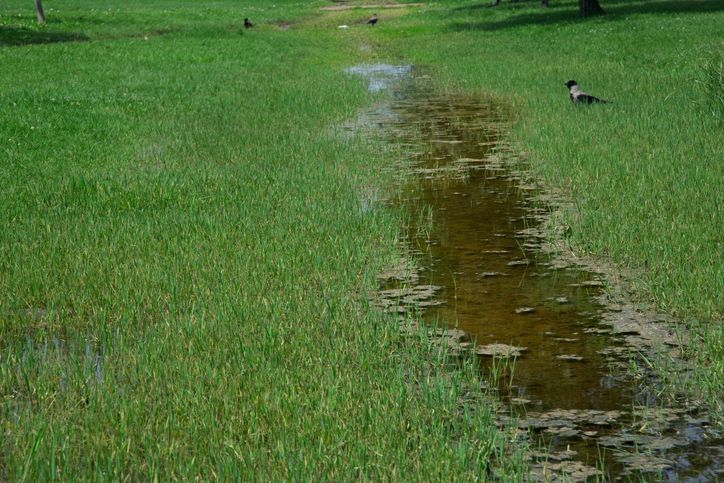
Imagine the dismay potential buyers might feel if they notice an overgrowth of mold in a basement due to chronic water seepage or if they encounter a yard resembling a bog more than a garden. 


These factors, instigated by poor drainage, can turn away buyers and appraisers alike, signaling that your property is not just a dwelling but a robust investment.


Studies have shown that properties with superior drainage systems that adequately manage stormwater are more attractive to buyers and command higher prices. The ability to ensure the health and longevity of a property by mitigating water-related risks does not go unnoticed in the real estate market, and savvy investors recognize the long-term benefits of such a property feature.


Consequences of Inadequate Drainage


If the importance of drainage wasn't clear before, its consequences make a compelling case for its central role in property upkeep. Here are just a few areas where poor drainage can wreak havoc on your property and wallet.


Structural Damage


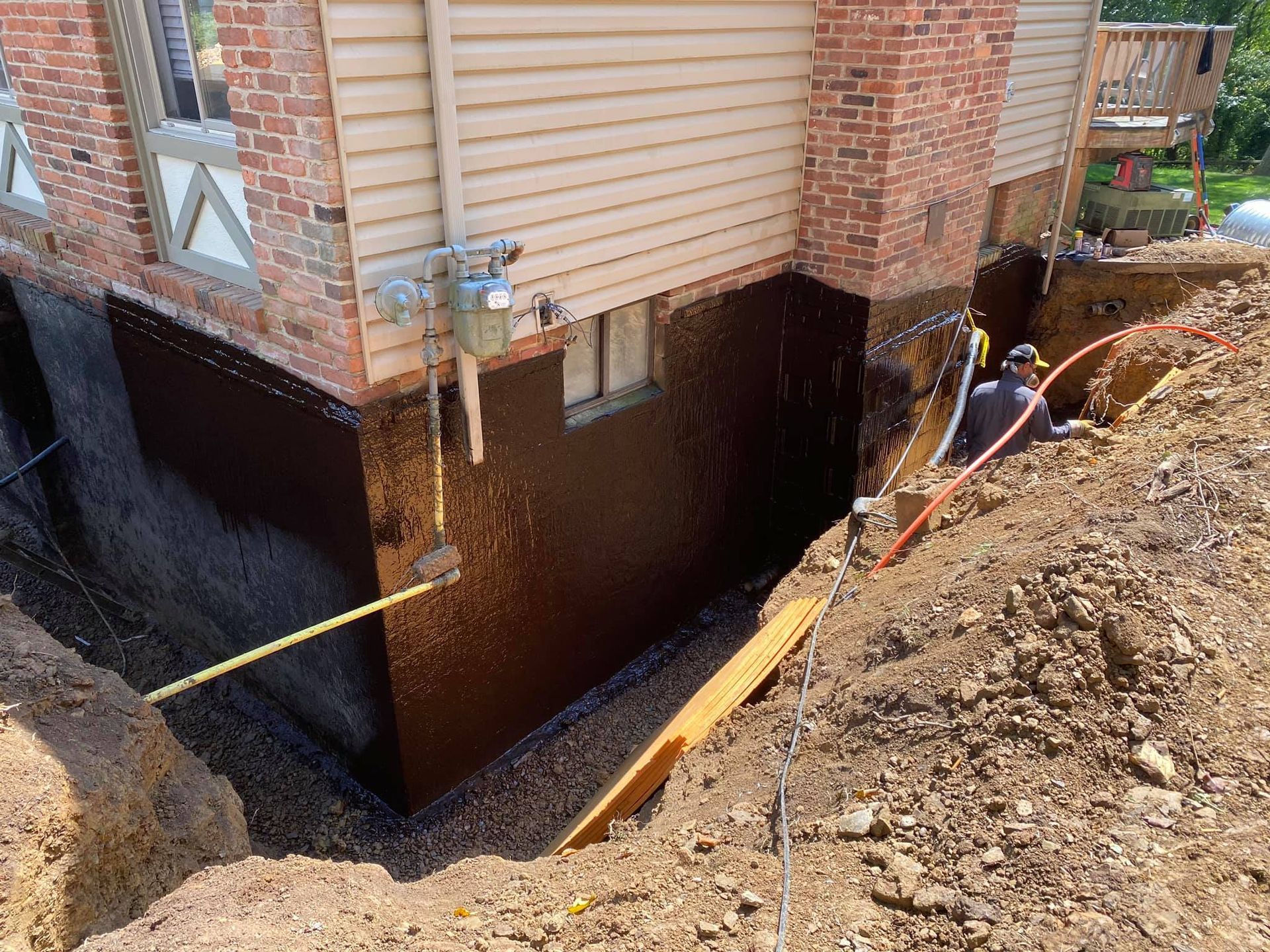
Foundation and wall integrity compromise, usually through cracks, is one of the most severe outcomes of poor drainage. When water accumulates around the home's foundation, it can seep into tiny cracks. When temperatures change, this water expands and contracts, causing these fissures to widen. Over time, the structural integrity of your home can be jeopardized, requiring extensive and costly repairs.


Landscape Erosion


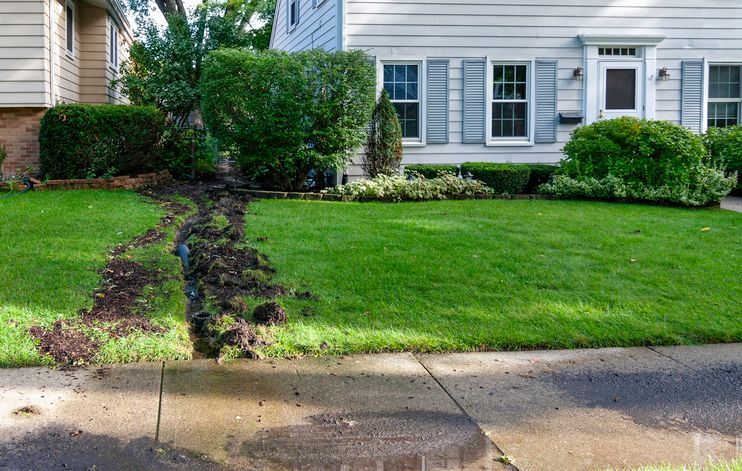
A beautiful garden is often the pride of a homeowner, but addressing drainage issues can turn a vibrant garden into a muddy wasteland. Erosion from persistent water flow or the pooling of water can wash away soil, topple plants, and leave your property's exterior in disarray.


Water Damage and Mold


Excessive water in or around your home can lead to significant damage, such as the warping of wooden structures and mold growth. Mold poses health risks and can also be a stubborn red flag for potential buyers, who might shy away from a property with a history of water-related issues.


Pest Infestations


Pests love water, especially when it offers a reliable source year-round. Poorly drained areas create breeding grounds for mosquitoes, gnats, and other insects, which can then infest your home. Additionally, rodents are attracted to damp, dark spaces and could find their way into your property if drainage problems are not addressed.


Investing in Drainage Solutions: A Cost-Benefit Analysis


When homeowners are confronted with the choice of investing in drainage solutions, the consideration of cost often becomes a barrier. Typically, drainage solutions can cost anywhere from a few hundred to several thousand dollars, depending on what your property needs for proper drainage. 


However, looking at the numbers in the long run offers a different perspective. Consider this: the cost of repairing structural damage from inadequate drainage typically far exceeds the initial investment in drainage solutions like French drains or exterior waterproofing. 


Structural damage caused by water or mold can cost anywhere from a few thousand to tens of thousands of dollars, depending on severity and location. 


While the upfront cost may seem steep, these drainage solutions add more protection to your property's value. They prevent significant damage and enhance your home's liveability and aesthetic appeal. 


The expenses incurred from potential repairs and the decline in market value of a damaged property can often outweigh the initial expenditure, making drainage solutions a wise financial move.


How Pittsburgh Drain Guys Can Help


Recognizing the critical role that drainage plays in property values, Pittsburgh Drain Guys specializes in delivering tailored drainage solutions that address the unique needs of your home. 


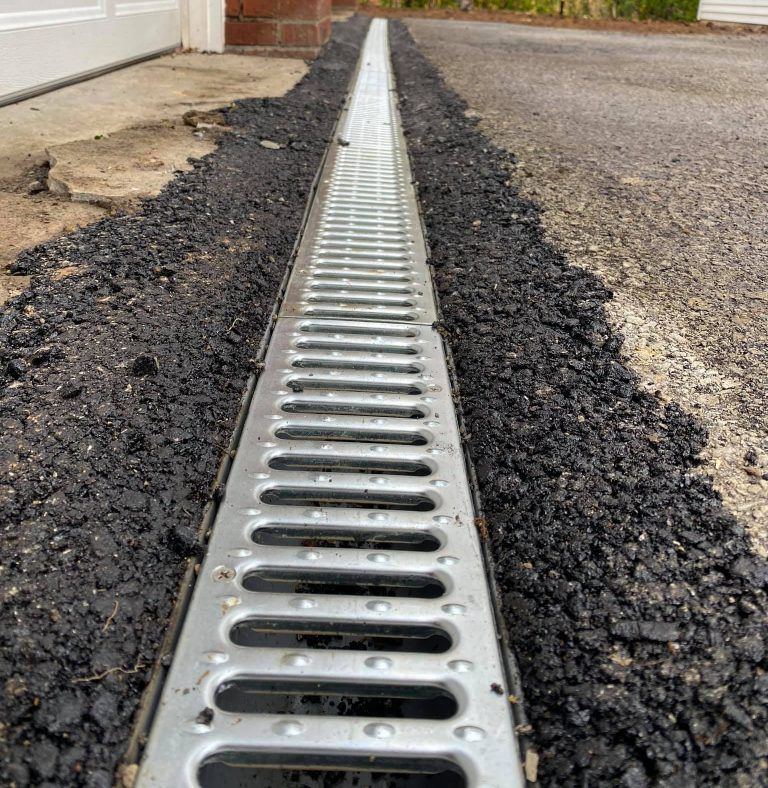
Whether it's installing French drains to redirect water flow, conducting exterior waterproofing to fortify your home against water intrusion, or offering expert advice on maintaining your drainage systems, Pittsburgh Drain Guys provides a full suite of services to protect your property's worth. 


Protecting Your Investment


Your home is not just a living space; it's an investment that should be treasured and protected. The narrative that drainage is a minor detail in home maintenance is a short-sighted one. It is, in fact, a linchpin that can significantly impact your property's value and desirability.


While it can be daunting to address the drainage issues in your property, the benefits of doing so echo far into the future. By investing in reliable drainage solutions, you are not only avoiding potential pitfalls but also enhancing your property's resilience and, ultimately, its market value.


Don't wait for the next heavy rain to remind you of your property's drainage needs. Take proactive steps now to ensure that your property remains a sound and valuable investment for the years to come. 

With the expertise of professionals like Pittsburgh Drain Guys at your service, the health and value of your property are in good hands. 


Schedule a consultation, take control of your property's drainage, and secure the investment you've worked hard to build.
August 27, 2026
Most homeowners associate drainage problems with heavy rain, standing water, soggy lawns, or a wet basement. Those are some of the most noticeable signs that water is not moving properly around a property. However, drainage issues do not necessarily disappear when the weather turns dry. Extended periods without rain can reveal different clues about how soil and water behave around your home. Cracking soil, changes around foundation walls, and compacted areas of the yard can provide information about conditions that may become more noticeable when rain returns. Understanding these warning signs can help Pittsburgh homeowners identify potential drainage concerns before the next stretch of wet weather. Why Dry Weather Can Reveal Drainage Problems A drainage system has to manage changing conditions throughout the year. During wet periods, the challenge is moving excess water away from areas where it can collect. During dry periods, changes in soil moisture can make existing conditions easier to see. Soil can contract as it loses moisture. Areas that have experienced repeated saturation and drying may also settle or compact differently across the property. These changes do not automatically mean there is a serious drainage problem, but they can provide useful clues when considered alongside what happens during rainfall. For example, a low area that repeatedly holds water during storms may look unusually hard, cracked, or compacted after an extended dry period. Paying attention to both wet-weather and dry-weather conditions gives you a better picture of how water moves across your property. Cracking Soil Can Tell You Something About Water Movement Visible cracks in dry soil are one of the easiest changes for homeowners to notice. Soil naturally changes as moisture levels rise and fall, and drying can cause some soils to shrink. The important question is not simply whether you see a crack. Look at where changes are occurring and whether those areas correspond with previous drainage problems. Pay particular attention to soil near: Foundation walls Downspout discharge locations Low areas of the yard Patios and walkways Retaining walls Areas where water regularly pools after storms If the same location becomes saturated after rainfall and extremely dry or cracked during periods without rain, the property may be experiencing significant swings in soil moisture. Addressing the way water reaches and leaves that area can be part of creating more consistent drainage conditions. Watch for Changes Around Foundation Walls Your foundation is another important area to observe during dry weather. Changes in soil conditions around a foundation can occur as moisture levels fluctuate. Homeowners may also notice cracks or changes in existing cracks and wonder whether drainage is contributing to the problem. A wall crack by itself does not tell you the cause. There are different reasons cracks can develop, which is why the location, size, direction, and surrounding property conditions matter. Pittsburgh Drain Guys provides additional information about what causes wall cracks and the factors property owners should consider when they notice changes. From a drainage perspective, it is particularly useful to look at what is happening outside the affected area. Does water collect against that portion of the foundation when it rains? Does a downspout discharge nearby? Does the ground slope toward the house instead of away from it? Those observations can help determine whether water management should be part of the larger conversation. Compacted Soil Can Affect Where Water Goes Dry weather can also make compacted areas easier to identify. Compacted soil has less open space for water to move through. When rain eventually returns, water may have difficulty soaking into those areas and instead travel across the surface. That runoff has to go somewhere. Depending on the property's grading, it could move toward a low section of the yard, collect alongside a patio, travel toward a neighboring property, or end up near the foundation. This is one reason drainage problems cannot always be solved by looking only at the place where water eventually appears. The source and path of the runoff also need to be considered. Dry Conditions Can Help Reveal Low Spots and Grading Issues Standing water makes a drainage problem obvious. When everything is dry, homeowners have an opportunity to look more closely at the shape of the property itself. Walk around the home and look at the grade. Ideally, surface water should have a clear path that does not direct it toward the foundation. Look for depressions, settled areas, or sections where the ground appears to slope toward the house. Also consider changes that have been made to the property over time. Patios, additions, landscaping, walkways, retaining walls, and other improvements can alter the way runoff travels. A problem may not become obvious until a significant rainfall exposes it. Recognizing these conditions during dry weather provides an opportunity to investigate before the yard is saturated. Pay Attention to Downspouts Even When It Isn't Raining Downspouts are easy to forget about when the weather is dry, but this can be a good time to inspect where they discharge. Roof runoff can concentrate a significant amount of water into relatively small areas around a property. If that water is released too close to the foundation or into an area with poor drainage, it can contribute to recurring water problems. Look at where each downspout ends and consider the surrounding grade. If it feeds into an underground drainage system, visible settling or other changes around the drainage route may also deserve attention. The goal is not simply to move roof water out of the gutter. It needs to reach an appropriate location without creating another drainage problem elsewhere on the property. What Happens When Rain Returns? Dry weather can make homeowners feel like a drainage problem has resolved itself. Unfortunately, the real test comes when rainfall returns. If water does not have an effective route through or away from the property, the same low spots may fill again. Runoff may return to the foundation. Compacted areas may shed water instead of absorbing it. Existing drainage systems may struggle to keep up. That is why observing your property in different weather conditions can be valuable. After the next substantial rainfall, compare what you see with the conditions you noticed when the yard was dry. Look for water collecting in previously cracked or compacted areas, runoff moving toward the house, overflowing drainage points, or soil remaining saturated significantly longer than surrounding areas. Those patterns can provide much more useful information than looking at a single puddle in isolation. Drainage Problems Can Affect More Than Your Yard Managing drainage is ultimately about protecting the property as a whole. Repeated water problems can affect landscaping, usable outdoor areas, foundations, basements, and other parts of a property. Visible water concerns can also become important when maintaining, improving, or eventually selling a home. Our guide to how poor drainage can devalue your property explains why water management should be viewed as part of long-term property maintenance rather than simply a response to the occasional puddle. Identifying drainage concerns early gives homeowners more time to understand what is happening and determine an appropriate solution. What Drainage Solutions May Be Considered? There is no single drainage system that is appropriate for every wet yard or foundation problem. The right approach depends on where the water originates, how it travels across the property, the grade, soil conditions, and where that water can safely be directed. Depending on the property, a professional drainage plan may involve solutions such as French drains, surface drainage, downspout drainage, grading adjustments, or another approach designed around the specific water problem. This is why identifying the cause matters. Installing a drain in the place where water happens to collect does not necessarily address why the water is getting there. A professional evaluation can look at the property as a complete drainage system instead of treating individual symptoms separately. Don't Wait for a Downpour to Think About Drainage A dry yard can still tell you a lot about how your property handles water. Cracking soil, compacted areas, changes around the foundation, low spots, and questionable grading can all be reasons to pay closer attention. None of these signs automatically proves that you have a serious drainage problem, but they can help you identify areas worth monitoring when rain returns. If you've already experienced standing water, basement moisture, runoff near your foundation, or other recurring water problems, dry weather can be a convenient time to have the property evaluated. Pittsburgh Drain Guys can assess your property's drainage conditions and help determine what is contributing to the problem. Contact Pittsburgh Drain Guys to discuss your drainage concerns and find a solution designed for your property.
May 28, 2026
Learn why Pittsburgh’s clay-heavy soil causes soggy yards and how custom drainage solutions can help fix standing water at the source.
May 20, 2026
Planning a home addition? Learn common drainage mistakes that can cause basement water problems and how proper planning helps protect your Pittsburgh home.
April 15, 2026
Planning a home addition? Learn the most common drainage mistakes that can lead to flooding, erosion, and foundation damage - and how to avoid them.
Spring Yard Damage Isn’t Just Mud - It’s a Drainage Design Issue
March 30, 2026
If your yard turns into a mess every year, the problem is probably not just mud. It is more likely that water is not being directed away from your property the way it should be.
How Snowmelt Exposes Hidden Drainage Problems Around Your Foundation
February 24, 2026
Learn how snowmelt can reveal hidden drainage problems around your foundation, including saturated soil, cracks, and outdated systems, and what to check now.
January 23, 2026
Discover how winter snow and runoff can lead to major drainage issues and water damage. Learn how to protect your property today.
How Water Retention Systems Protect Your Home During Pittsburgh Winters
December 28, 2025
Learn how water retention systems help protect Pittsburgh homes during winter by managing runoff, preventing pooling water, and reducing freeze-thaw damage.
How Fall Leaves Could Be Causing Water Damage to Your Home
By Rocket Websitez November 26, 2025
Don’t let autumn leaves put your home at risk. Discover how leaf buildup leads to drainage and foundation issues, and how to stop it now.
Real Stories, Real Results: What It’s Like to Work with Pittsburgh Drain Guys
By Rocket Websitez October 6, 2025
Discover real stories from Pittsburgh homeowners who solved water problems with honest, professional help from Pittsburgh Drain Guys. No upsells, just results.
More Posts

Author: Jay Nagy


Owner & Founded of J Bird's Landscaping. Years of experience in Pittsburgh lawn cutting, patio installation, trucking/hauling, French drain installation, and other landscape/design services.