Drainage Red Flags Home Inspectors Look for in Pittsburgh
Common drainage red flags that may draw attention during a Pittsburgh home inspection include ground sloping toward the foundation, standing water, soggy or eroded areas, basement moisture, downspouts discharging too close to the house, and drainage systems that do not appear to move water away effectively. These conditions don't automatically mean a property has a serious defect, but they can suggest water is repeatedly collecting where it shouldn't.
For buyers and sellers, the main concern is whether the condition appears temporary or points to an ongoing water-management problem. Visible drainage issues may lead to questions about grading, roof runoff, foundation-area drainage, basement seepage, or stormwater management.
A standard home inspection is not the same as a specialized drainage evaluation, and inspectors do not all follow an identical checklist. However, InterNACHI's Standards of Practice include visible grading, surface drainage, gutters, and downspouts among exterior conditions that may be evaluated when they could contribute to moisture intrusion. (nachi.org)
Understanding these conditions before a real estate transaction gives Pittsburgh homeowners more time to investigate known problems and decide whether corrective work makes sense.
Why Drainage Matters During a Home Inspection
Water problems can affect more than one part of a property. Poor drainage may contribute to wet soil near the foundation, basement seepage, erosion, or standing water in the yard.
That does not mean every puddle after a storm is a problem. What matters more is whether there is evidence of a recurring condition.
Persistent soggy soil, repeated basement staining, erosion channels, low spots that hold water, or runoff consistently moving toward the house can indicate that the property's drainage deserves closer attention.
The U.S. Environmental Protection Agency recommends managing water outside foundation walls by grading soil away from the home and directing downspout discharge away from the foundation. (epa.gov)
Poor Grading Around the Foundation
Grading describes how the ground slopes around a home. Ideally, surface water has a path away from the structure. When soil slopes toward the house or has low areas beside the foundation, water may collect near exterior walls.
Visible concerns can include:
- ground pitching toward the foundation
- depressions beside exterior walls
- soil erosion near the home
- areas that repeatedly hold water after rain
InterNACHI's Standards of Practice identify grading and surface drainage as exterior conditions that may be inspected when they could contribute to moisture intrusion. (nachi.org)
Poor grading does not explain every foundation or basement moisture problem, but repeated water collection near the house is worth investigating.
Standing Water and Soggy Areas
A yard can be wet immediately after heavy rain without having a significant drainage problem. Persistent standing water is more concerning.
Watch for areas that remain saturated after surrounding ground has dried, repeated puddling, erosion, or runoff with no clear path away from the property.
Pittsburgh Drain Guys' guide to signs of a stormwater drainage problem identifies recurring standing water, soggy lawn areas, foundation-area pooling, erosion, and overflowing gutters or downspouts as conditions homeowners should investigate.
During a real estate transaction, these conditions may raise a simple but important question: Is the water temporary, or does it repeatedly collect in the same area?
Basement Moisture and Signs of Previous Water Intrusion
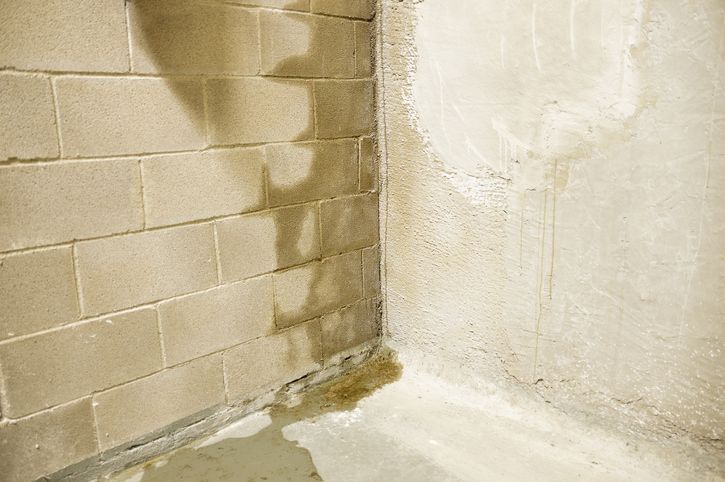
Basement moisture can have several causes, so a stain or damp area alone does not identify the source. Recurring seepage, water staining, damp foundation walls, or visible signs of previous water entry may justify further investigation.
The EPA notes that basement moisture can be connected to exterior conditions such as improper grading, gutter problems, and water flowing toward the home. (epa.gov)
That is why you should consider exterior drainage conditions along with what is visible inside.
If one basement wall repeatedly becomes damp, look at what is happening outside that area. The ground may slope toward the house, a downspout may discharge nearby, or surface water may collect along the foundation.
Downspouts That Discharge Too Close to the House
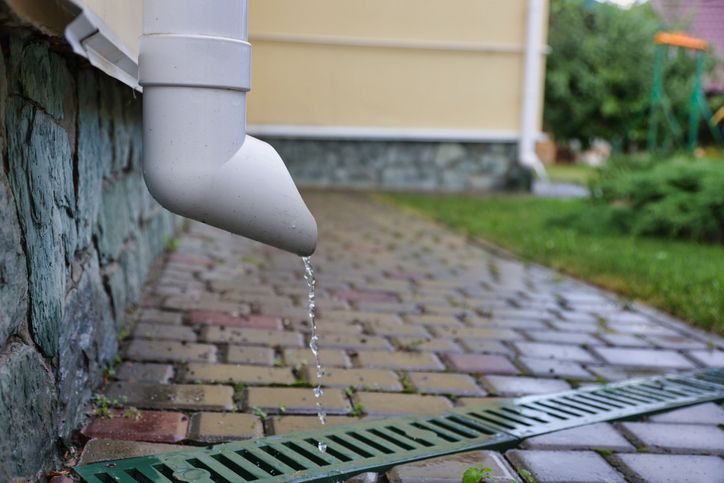
Gutters and downspouts concentrate roof runoff into specific discharge points. If that water is released immediately beside the foundation, it can contribute to saturated soil near the home.
Potential concerns include downspouts that:
- empty beside the foundation
- have become disconnected
- discharge into low areas
- direct water back toward the house
- appear connected to an underground system that is not draining properly
The EPA recommends directing downspout water away from the foundation. (epa.gov)
It is also important to understand the limits of a standard inspection. InterNACHI's Standards of Practice state that inspectors are not required to inspect underground downspout drainage pipes. (nachi.org)
A specialized drainage evaluation may therefore be useful when the visible system suggests a problem below ground.
Signs of Stormwater Drainage Problems
Stormwater problems are often easiest to recognize during or shortly after rainfall.
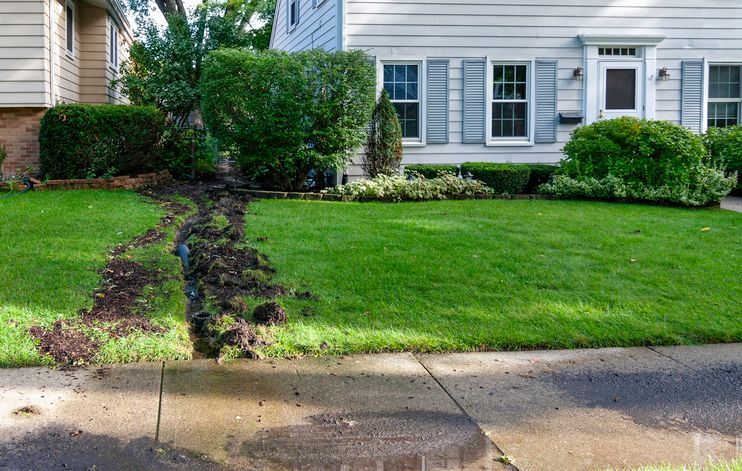
Common signs include erosion channels, overflowing drainage areas, water moving toward buildings, standing water, and drainage systems that appear unable to move runoff effectively.
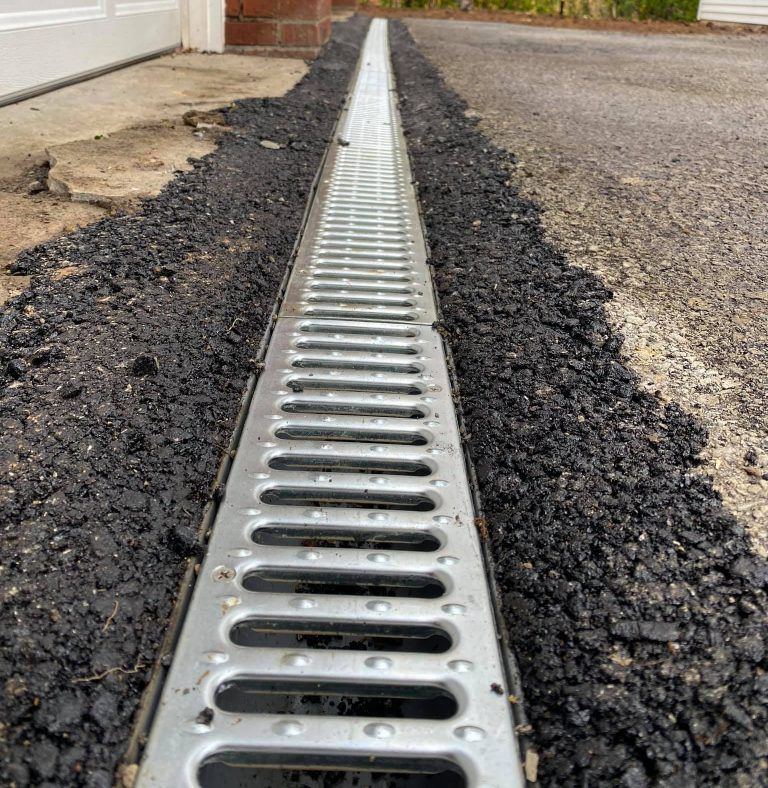
You should also consider existing drainage features. Catch basins, swales, channel drains, buried downspout lines, and other systems need a clear way to receive and discharge water.
Pittsburgh Drain Guys recommends evaluating the full path water takes through a property, including grading, gutters, downspouts, blockages, and areas where runoff collects. You can review more signs your property may have a stormwater drainage problem before deciding whether a professional evaluation is appropriate.
The goal isn't to assume every wet spot needs a new drainage system. The first step is understanding why the water is collecting.
Dye Testing and Pittsburgh-Area Property Sales
Homeowners may also run into drainage-related questions during a sale because some municipalities have requirements for stormwater and sewer connections.
Requirements vary across the Pittsburgh region.
Within the City of Pittsburgh, Pittsburgh Water states that sellers must obtain an Evidence of Compliance Certificate before a property sale. Whether a dye test is required depends on the property's sewer area. (pgh2o.com)
Dye testing can identify improper stormwater connections involving gutters, driveway drains, yard drains, or other drainage features.
For a more detailed explanation, read Pittsburgh Drain Guys' guide to dye testing when selling a Pittsburgh home.
Homeowners outside the City of Pittsburgh should confirm current requirements with the municipality or sewer authority responsible for the property rather than assuming the city's process applies everywhere.
Should You Address Drainage Problems Before Selling?
If you already know that your basement takes on water, part of the yard stays saturated, or runoff repeatedly collects near the foundation, investigating the problem before listing can be useful.
Addressing known concerns early gives you time to understand the cause without the added pressure of an active real estate transaction.
It can also help determine whether the issue involves grading, downspout drainage, a blocked or ineffective drainage system, or another water-management condition.
Buyers may benefit from the same information. A home inspection can identify visible concerns, but underground drainage components or recurring water problems may require additional evaluation.
Have Your Drainage Problem Evaluated Before It Becomes a Bigger Question
If water repeatedly collects near your foundation, your yard stays soggy after storms, your basement shows signs of recurring moisture, or your existing drainage system doesn't seem to work, consider having the issue evaluated before buying or selling.
Pittsburgh Drain Guys provides drainage evaluations and drainage services for Pittsburgh-area homeowners dealing with wet yards, basement water, grading concerns, downspout drainage, and related water-management problems.
Understanding the cause of a drainage problem early can help you make a more informed decision about what, if anything, needs correcting before the property changes hands.
Call Pittsburgh Drain Guys today to schedule a drainage inspection.