What Pittsburgh's Clay-Heavy Soil Means for Yard Drainage
If your yard stays wet long after a rainstorm, you are not alone. Many Pittsburgh-area homeowners deal with soggy grass, soft ground, puddles, and water that seems to sit in the same low spots again and again. Sometimes the problem shows up after a heavy storm. Other times, it becomes noticeable after landscaping work, new construction nearby, or a season of repeated rainfall.
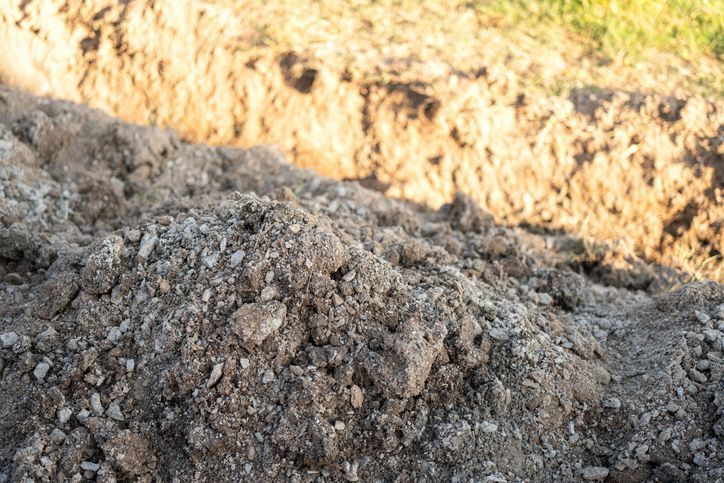
One of the main reasons yards in this region struggle to dry out is the soil itself. Much of Western Pennsylvania has dense, clay-heavy soil. Clay soil can hold water for a long time, which makes drainage more complicated than simply moving water from one place to another.
For homeowners, this can be frustrating. You may fill low spots, add soil, reseed the lawn, or extend a downspout, only to find that the wet area returns after the next storm. That does not always mean the fix was done poorly. It often means the drainage system was not designed for how clay soil behaves.
reseed
The good news is that soggy yards can often be improved with the right plan. The key is understanding why the water is sitting there in the first place and choosing drainage solutions that are suited to Pittsburgh soil conditions.
What Is Clay Soil and Why Is It a Problem?
Clay soil is made up of very small, tightly packed particles. Because those particles sit close together, there is less open space for water to move through. This is called poor permeability. In simple terms, water cannot pass through clay soil as easily as it can through looser soil types.
Sandy soil, for example, drains quickly because it has larger particles and more space between them. When rain falls on sandy soil, water can move downward faster. Clay soil works differently. Water tends to move slowly, spread along the surface, or collect in low areas before it can soak in.
This is why a clay-heavy yard may still feel wet days after rain. The surface may look dry in some spots, but the ground underneath can remain saturated. In other areas, water may never fully absorb before the next rainfall arrives.
Clay soil can also become compacted. When soil is compacted by foot traffic, heavy equipment, construction, or years of settling, water has even more difficulty moving through it. This can worsen drainage issues over time, especially in lawns with low spots or poor grading.
For homeowners searching for wet yard solutions that Pittsburgh properties often need, the soil type is one of the first things to consider.
Why Pittsburgh's Soil Makes Drainage More Challenging
Pittsburgh drainage problems are rarely caused by a single factor. Clay-heavy soil is often part of a larger set of conditions that affect how water moves across a property.
Many properties in the Pittsburgh area are subject to frequent rainfall, hillsides, sloped yards, and older homes that were not built to modern drainage standards. Some neighborhoods have homes close together, which means water movement from one property can affect another. In older yards, grading may have changed over time because of settling, landscaping, patios, driveways, or additions.
Sloped terrain can also create challenges. Water naturally flows downhill, but if there is no planned path for it to follow, it may collect at the bottom of a slope, around a patio, along a fence line, or near a foundation. When that water reaches dense clay soil, it may not absorb quickly enough to prevent pooling.
Older properties may also have short downspouts, clogged underground lines, or no drainage system. In some cases, roof runoff is directed too close to the home. When that water is released onto clay-heavy soil near the foundation, it can sit in the ground and increase moisture around the basement walls.
This is why drainage planning in Pittsburgh often needs to account for more than the visible puddle. A professional evaluation examines where water starts, how it travels, where it collects, and what the soil allows it to do once it reaches the soil.
Common Drainage Problems Caused by Clay Soil
Clay-heavy soil can create several common yard and home drainage issues. One of the most obvious is standing water. After rain, puddles may form in low areas and remain for days. These wet spots can make the yard difficult to use and can damage grass if the roots stay saturated for too long.
Soggy lawn areas are another common concern. Even when there is no visible puddle, the ground may feel soft or muddy underfoot. This can make mowing difficult, create bare patches, and limit how homeowners use their outdoor space.
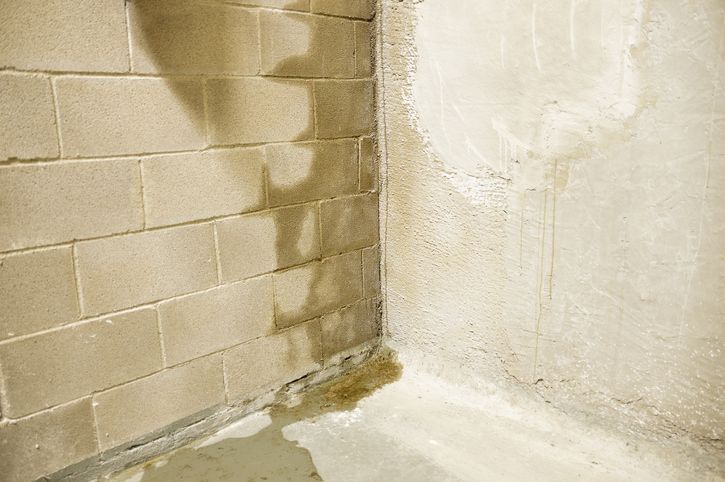
Water collecting near the foundation is more serious. When runoff from the roof, driveway, patio, or yard collects near the house, it can increase pressure on the foundation. Over time, this may contribute to basement moisture, damp walls, musty odors, or seepage.
Clay soil can also affect landscaping. Plants, shrubs, and trees need water, but their roots also need oxygen. When soil stays saturated, roots may struggle. This can lead to poor growth, root rot, or plant loss in areas where water sits too long.
Mold, mildew, and algae may also become more noticeable in damp areas, especially along shaded parts of the yard. These conditions can make walkways slippery, affect patios, and diminish the property's overall appearance.
If your yard regularly has these issues, it may be time to look into drainage solutions for wet yards that are designed for how water actually behaves on your property.
Why Basic Fixes Do Not Work in Clay Soil
It is understandable for homeowners to try simple fixes first. If there is a low spot, you may add topsoil. If the yard feels muddy, consider reseeding. If the soil seems too dense, consider adding sand. While these efforts can sometimes help with minor surface issues, they usually do not solve a true drainage problem in clay soil.
Adding soil to a low spot may temporarily raise the surface, but it does not address why water is flowing there. If the yard still slopes toward that area, water will continue to collect. Over time, the new soil may settle, wash out, or become saturated like the soil underneath it.
Adding sand to clay soil can also be unreliable when it is not done as part of a proper soil improvement plan. Mixing small amounts of sand into clay does not automatically create better drainage. In some cases, it can make the soil texture harder and more compacted.
Another common issue is focusing only on the wet spot. The puddle is the symptom, but the source of the water may be somewhere else. It could be runoff from the roof, a neighbor's yard, a compacted slope, a blocked underground pipe, or grading that sends water toward the wrong area.
This is why many temporary fixes lead to recurring problems. The water is still moving through the same path, hitting the same clay layers, and collecting in the same places.
For homeowners wondering how to fix soggy clay soil in their yards, the answer usually starts with a drainage plan, not a single quick repair.
Engineered Drainage Solutions for Clay Soil
Clay-heavy soil does not mean your yard has to stay wet. It means drainage solutions need to be designed with care. The right system depends on the property's layout, yard slope, where water collects, where it can safely discharge, and how much water the system needs to handle.
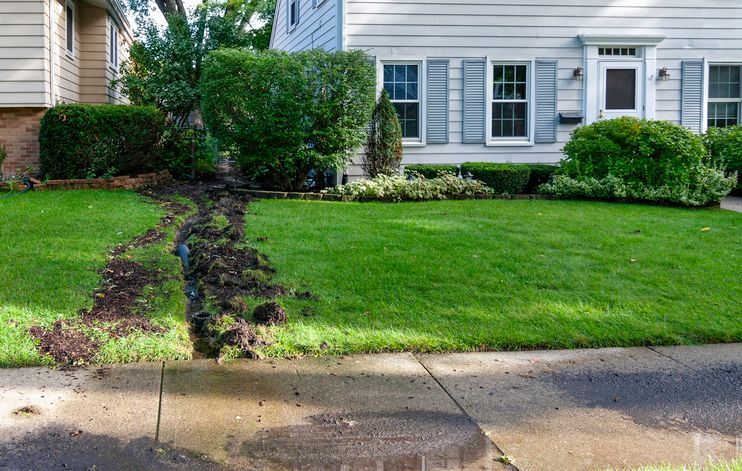
French drains are one common solution. These systems are installed below ground to collect and divert water away from saturated areas. In clay soil, placement is especially important. A French drain needs to intercept water effectively and move it to an appropriate outlet. If it is installed in the wrong location or without enough planning, it may not solve the problem.
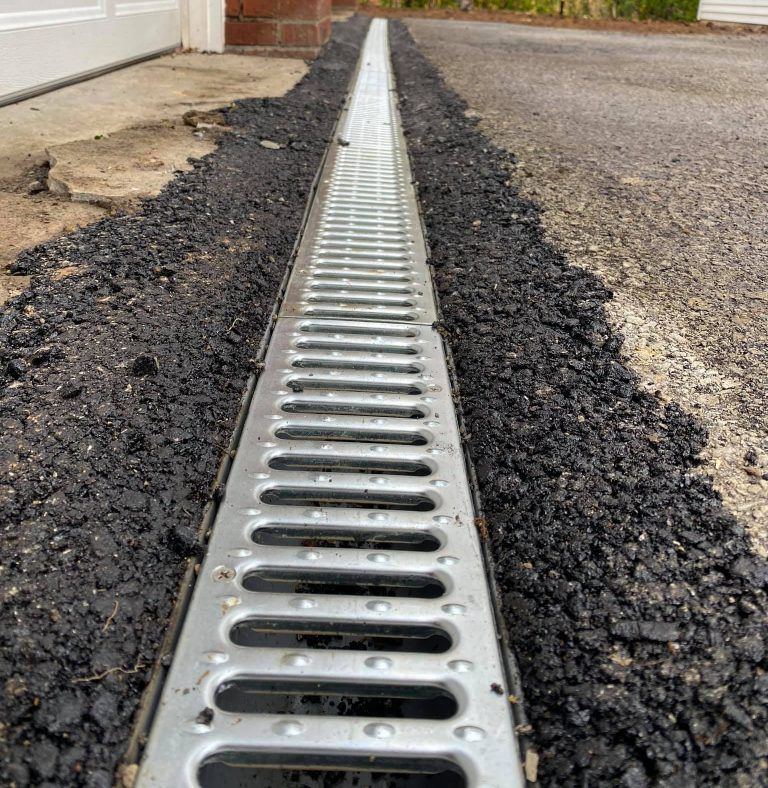
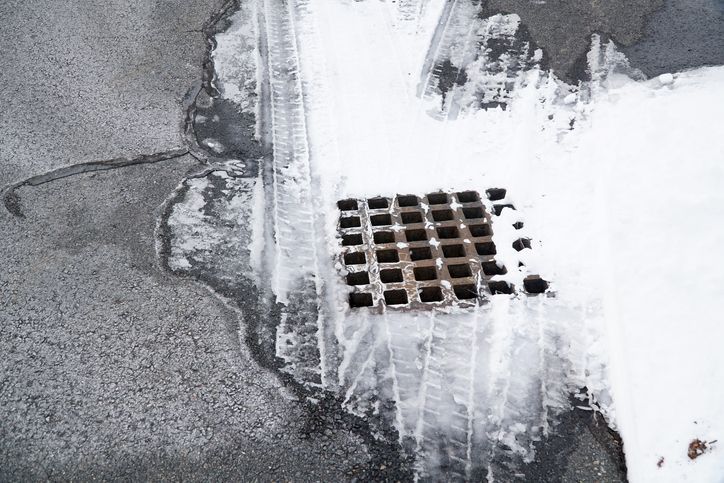
Catch basins are often used for surface water. These are installed in areas where water tends to collect, such as low spots, patios, driveways, or yard depressions. The basin collects water and connects to piping that carries it away from the problem area.
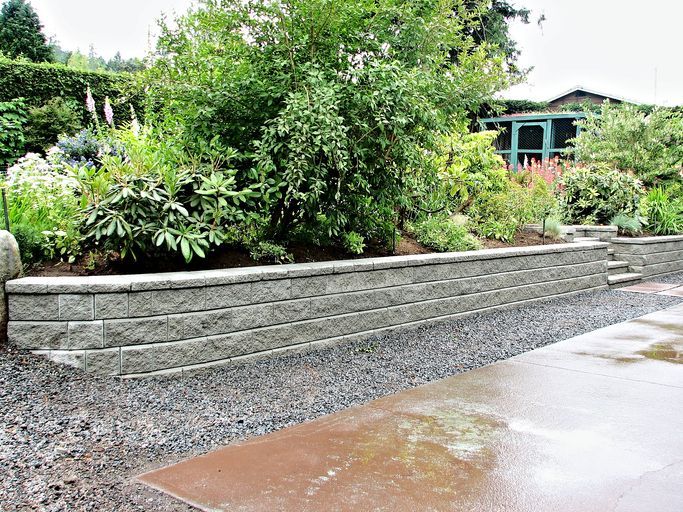
Proper grading is another important part of drainage design. The yard should guide water away from the home and toward a safe drainage path. In Pittsburgh yards, this can be challenging because of slopes, retaining walls, tight property lines, and existing landscaping. Still, even small grading corrections can make a difference when they are part of a larger plan.
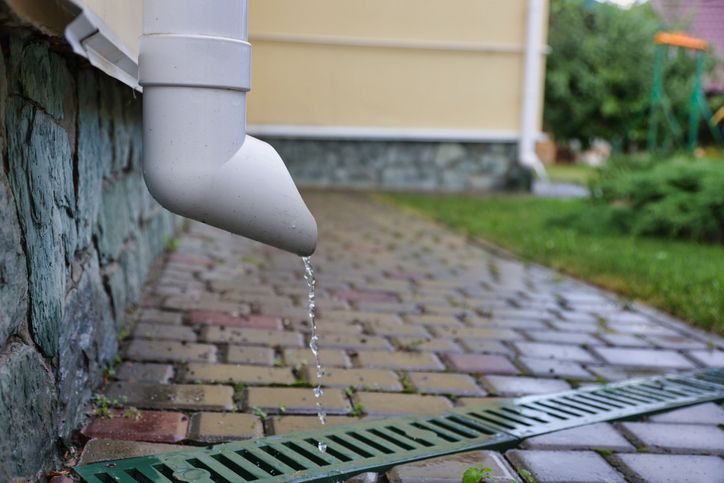
Downspout extensions can also help. Roof runoff is a major source of water around many homes. If downspouts release water too close to the foundation, that water can soak into clay soil and sit near the basement walls. Extending downspouts away from the home can reduce this risk, especially when connected to a properly designed drainage system.
The most important point is that these systems must be strategically placed. Drainage is not just about installing pipe or gravel. It is about understanding where water comes from, where it should go, and how to move it through or around clay-heavy soil.
That is why strategic drainage solutions are often more effective than one-size-fits-all fixes.
How Proper Drainage Improves Your Yard and Property
When a drainage system is designed correctly, the benefits can be felt across the property. The most immediate improvement is usually less standing water. Areas that once stayed wet after every storm can begin to dry more consistently, making the yard easier to use and maintain.
Proper drainage can also protect the home. Moving water away from the foundation helps reduce moisture pressure around basement walls. While drainage is only one part of protecting a basement, it is an important one, especially in areas with clay-heavy soil.
A drier yard can also improve lawn health. Grass roots need a balance of water and air.
When the soil stays saturated, the lawn can thin out, turn patchy, or become more vulnerable to disease. Better drainage supports healthier root growth and makes routine lawn care easier.
Outdoor living areas can also benefit. If you are planning a patio, walkway, retaining wall, garden bed, or other landscaping upgrade, drainage should be considered early. Installing new features without addressing water movement can create problems later. Water may collect around hardscaping, wash mulch out of beds, or undermine parts of the landscape.
Drainage can also improve curb appeal. A yard that is dry, stable, and usable tends to look better and function better. For homeowners planning to stay long term, this can make the property more enjoyable. For those considering future resale, visible drainage issues can raise concerns among buyers.
How Pittsburgh Drain Guys Can Help
Every yard is different, especially in the Pittsburgh area. Two homes on the same street can have different drainage needs because of slope, soil compaction, roof runoff, landscaping, and property layout. That is why a custom approach matters.
Pittsburgh Drain Guys understands the local challenges posed by clay-heavy soil, sloped yards, and older properties. Instead of treating only the visible wet spot, the goal is to understand the full drainage pattern. Where is the water coming from? Why is it collecting there? What path should it take instead? What type of system will work with the property's soil and layout?
A drainage evaluation can help determine whether your yard needs a French drain, a catch basin, grading correction, a downspout extension, or a combination of solutions. In many cases, the best results come from combining multiple drainage methods.
The right system should not be a temporary patch. It should be designed to manage water in a way that fits the property and reduces the chance of recurring problems.
Stop Fighting Your Yard and Fix the Problem at Its Source
A wet yard is more than an inconvenience. It can affect how you use your outdoor space, how your lawn grows, and how water moves around your home. In Pittsburgh, clay-heavy soil often makes these problems more persistent because water cannot drain quickly on its own.
If you have tried basic fixes and the same wet areas keep coming back, the issue may be deeper than the surface. A professional drainage assessment can help determine what is really happening and which solution makes sense for your yard.
Pittsburgh Drain Guys can design and install drainage solutions tailored to local soil conditions, property slope, and water flow patterns. Stop fighting your yard after every rainfall. Fix the problem at its source with a drainage system designed for how your property actually works.