How Snowmelt Exposes Hidden Drainage Problems Around Your Foundation
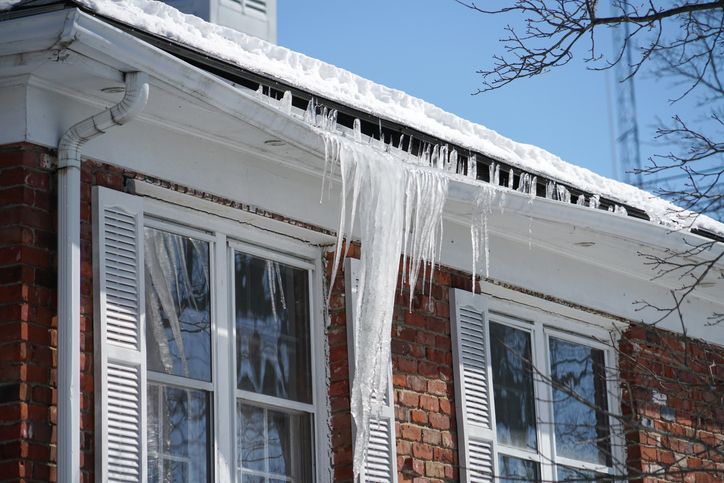
Winter in Pittsburgh can feel long and heavy. When the snow finally starts to disappear, many homeowners breathe a sigh of relief. The driveway is clear. The sidewalks are visible again. It feels like the worst is over.
But in many cases, late winter is when foundation drainage problems quietly begin to surface.
If you notice damp soil, musty basement smells, or small puddles forming near your foundation after the snow melts, you may be dealing with drainage problems that have been building beneath the surface for months. Snowmelt has a way of revealing weaknesses that were hidden during the coldest part of the season.
This transition period between winter and spring is critical. What looks like a minor issue in February or March can become a serious water problem once spring rain adds even more stress to already saturated soil.
Why Snowmelt Can Be More Dangerous Than a Winter Storm
Heavy snowfall looks dramatic. Blizzards get the attention. But snow sitting on your property does not usually cause foundation damage on its own.
The real risk begins when temperatures rise.
Unlike a summer rainstorm that comes and goes, melting snow releases water slowly over days or even weeks. That steady release saturates the soil around your home. Instead of draining away quickly, water lingers. It seeps into every available gap in the ground.
Many homeowners assume that if their basement stayed dry during the winter, they are in the clear. In reality, the most damaging pressure on your foundation often happens during thaw cycles.
Snowmelt is often the next chapter in that process.
How Snowmelt Moves Differently Than Rainwater
To understand why drainage problems after winter are so common, it helps to look at how melting snow behaves.
Rain typically falls quickly and runs off the surface or flows into storm drains. The ground, if it is not already saturated, can absorb some of that water.
Snowmelt is different in three important ways:
1. It Releases Water Gradually
Snow does not melt all at once. It softens during the day, refreezes at night, then melts again. This repeated cycle allows water to seep slowly into the soil.
Over time, that slow seepage can saturate the ground more thoroughly than a single rainfall event.
2. The Ground Is Often Still Frozen or Compacted
In late winter, the surface may look thawed while deeper soil layers remain frozen. When that happens, melting snow cannot drain downward properly. Instead, water moves sideways.
And sideways often means toward your foundation.
3. Pittsburgh Soil Compounds the Problem
Many properties in the Pittsburgh area sit on clay-heavy soil. Clay does not drain quickly. It holds water, expands when wet, and puts pressure on foundation walls.
Add in frequent freeze-thaw cycles and sloped lots, which are common in Western Pennsylvania, and you have conditions that direct large volumes of meltwater toward the lowest point on your property. In many cases, that lowest point is right next to your home.
Hidden Drainage Problems Snowmelt Commonly Reveals
Snowmelt does not usually create brand new problems. Instead, it exposes weaknesses that were already there.
Below are some of the most common issues homeowners notice once the snow disappears, along with what may actually be happening underground.
Saturated Soil Around the Foundation
What you might see:
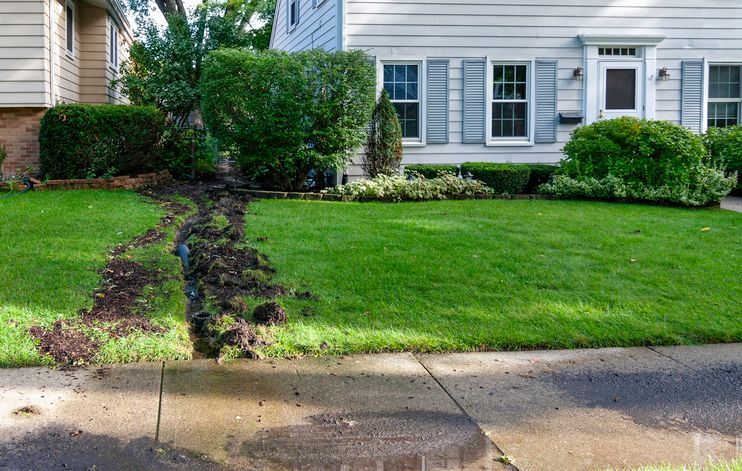
- Wet soil hugging the foundation days after the snow is gone.
- Small pools of water near the base of exterior walls
- Mud that never seems to dry
What is likely happening:
Poor grading or clogged drainage systems may be preventing water from moving away from your home.
If the soil slopes toward your foundation, even slightly, snowmelt will follow that path. Over time, water collects along the wall, increasing hydrostatic pressure. That pressure pushes against the concrete and looks for the smallest path inward.
Older or improperly installed drainage systems, including outdated French drain installation, may also be clogged with silt or collapse underground. When that happens, water has nowhere to go.
Hairline Foundation Cracks That Suddenly Leak
What you might see:
- Thin cracks in the basement walls that never caused issues before
- Small trickles or damp streaks after a thaw
What is likely happening:
Those cracks may have existed for years without causing visible leaks. During snowmelt, however, the saturated soil around your home creates sustained pressure.
Hydrostatic pressure builds as water accumulates. Even a hairline crack becomes a point of entry under the right conditions.
The crack is not new. The volume and pressure of water around it are.
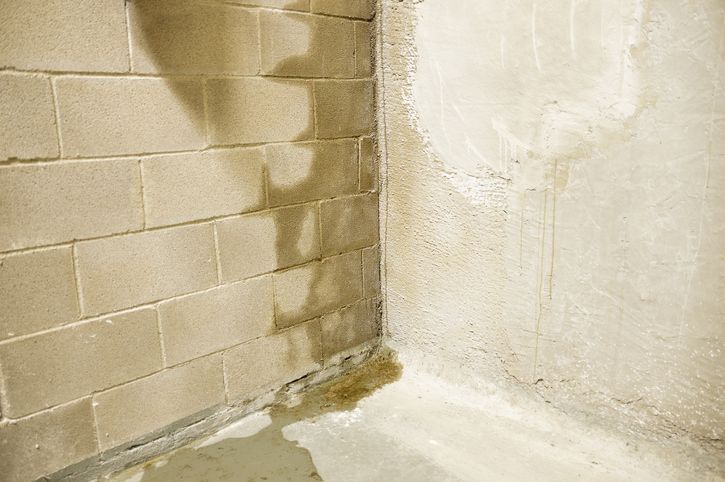
Basement Dampness Without Standing Water
What you might notice:
- A musty odor
- Slightly damp walls
- White powdery residue on masonry
Efflorescence, the white residue often seen on basement walls, forms when moisture passes through concrete and leaves mineral deposits behind.
What is likely happening:
Water is seeping through porous foundation materials due to prolonged soil saturation. You may not see puddles, but moisture is entering the structure.
This is often an early warning sign of a larger drainage problem. Addressing it during late winter can prevent more serious leaks during spring storms.
Overwhelmed or Hidden Drainage Systems
What you might see:
- Downspouts that appear fine above ground
- No obvious signs of damage
What is likely happening:
- Underground components may be failing.
- Older French drain installation systems can fill with sediment over time. Corrugated pipes may collapse. Downspout extensions that connect to buried lines can clog or disconnect.
Snowmelt is often the first time these systems are tested after months of freezing temperatures. If they are partially blocked, water backs up and accumulates near your foundation instead of moving safely away.
Warning Signs Homeowners Often Miss in Late Winter
Late winter is tricky. The yard looks messy. Everything feels temporary. It is easy to overlook subtle warning signs.
Here are some things to watch for as snow melts:
- Water stains appear along the basement walls.
- White residue on the block or concrete.
- Small puddles are forming near the foundation edges.
- A sump pump that cycles more frequently than usual.
- Soil is pulling away from the foundation once it dries.
Some of these may seem minor. But they can point to deeper stormwater drainage issues.
Catching these signs now can prevent more extensive damage in the coming months.
Why These Problems Often Get Worse in Spring
Snowmelt alone can strain your drainage system. But spring adds another layer of risk.
By the time heavy spring rains arrive:
- Soil may already be fully saturated.
- Drainage systems may already be stressed.
- Minor cracks may already be allowing moisture inside.
When additional rainfall hits saturated ground, there is little capacity left for absorption. Water moves quickly across the surface and collects near your home.
If you delay action, minor issues such as damp walls can become visible leaks or foundation damage. The longer water pressure builds, the greater the repair cost tends to be.
This is why late winter inspections are so necessary. Addressing drainage problems after winter gives you a chance to correct weaknesses before spring storms test your system further.
What Homeowners Can Check Right Now
You do not need specialized tools to perform a basic visual check of your property after snowmelt.
Walk the Perimeter
Look for low spots where water collects. Pay attention to areas where snow piles were heaviest, such as near driveways or roof edges.
Check Downspout Discharge Points
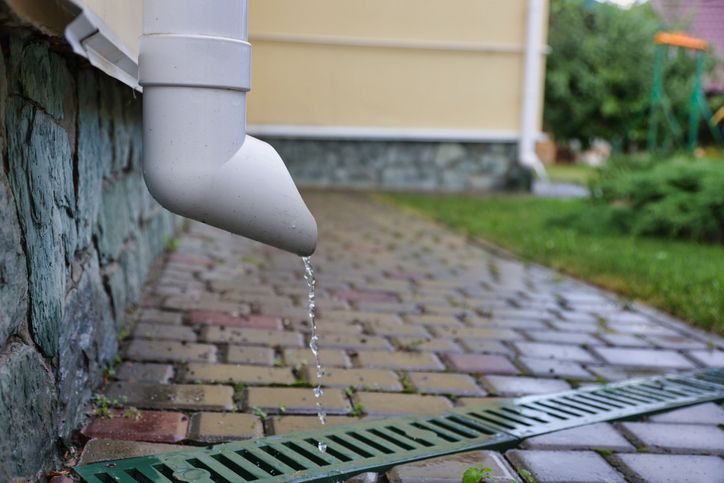
Make sure downspouts are directing water several feet away from your foundation. If they connect to underground lines, watch for signs of overflow or pooling.
Inspect Interior Spaces
In your basement, look for damp patches, discoloration, or changes in odor. Even subtle differences can signal shifting moisture levels.
These steps are not repairs. They are observations. The goal is to identify patterns and warning signs early.
If you notice recurring moisture or multiple red flags, it may be time to have a professional evaluate the situation before conditions worsen.
When Snowmelt Damage Means You Need Professional Help
Not every damp spot requires major excavation. But specific patterns should not be ignored.
Consider scheduling a professional inspection if you see:
- Recurring dampness after each thaw
- Water is entering through the foundation cracks.
- A sump pump that runs frequently in late winter
- Multiple warning signs inside and outside
- Previous waterproofing attempts that did not solve the issue
A professional inspection focuses on identifying the root cause, not just the visible symptom.
For example, sealing a crack may temporarily prevent water from entering. But if the surrounding soil is poorly graded or the existing French drain installation has failed, water pressure will continue to build.
Understanding where the water is coming from and how it moves around your property is essential to solving the problem long-term.
How Pittsburgh Drain Guys Identify and Fix Snowmelt-Related Issues
Every property in the Pittsburgh area is different. Age, soil type, slope, and past construction all affect how water behaves.
When evaluating drainage problems after winter, Pittsburgh Drain Guys focus on:
Drain Inspections
We assess existing exterior and subsurface drainage systems to determine whether they are functioning correctly or have become blocked or damaged over time.
Exterior Drainage Solutions
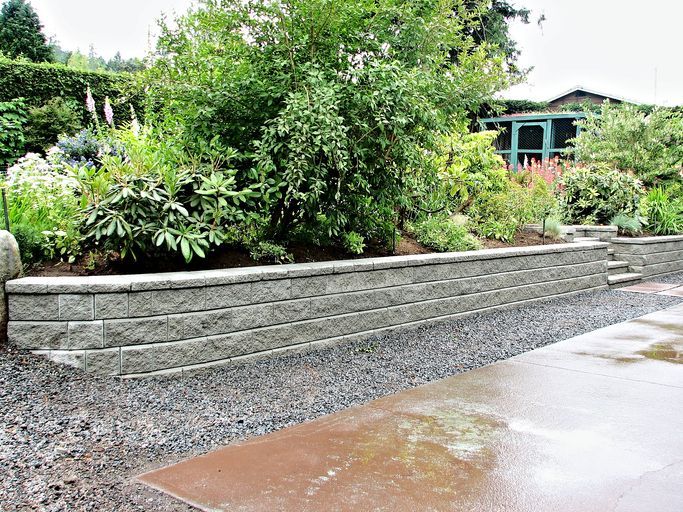
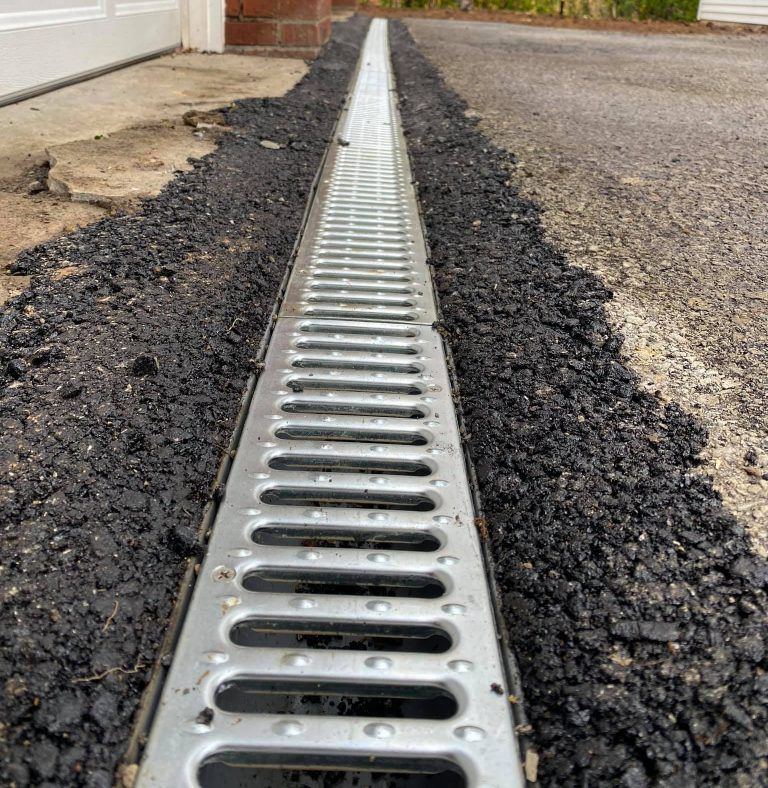
Correcting grading, improving runoff paths, and upgrading outdated systems can significantly reduce the amount of water that collects near your foundation.
Foundation and Subsurface Water Control
In some cases, solutions may involve improving or replacing components of an existing French drain installation or designing a more effective system tailored to your property.
Custom Recommendations
Rather than applying a one-size-fits-all approach, we evaluate how water flows across your specific lot and design solutions that address the true source of the issue.
The goal is to control water before it becomes a structural concern.
Do Not Let Snowmelt Turn Into Spring Flooding
It is easy to assume that once the snow is gone, the danger has passed. But for many Pittsburgh homeowners, the real stress on their foundation begins during the thaw.
Snowmelt problems do not fix themselves. Saturated soil, hidden cracks, and aging drainage systems can quietly worsen over the next several weeks.
If you are seeing signs of drainage problems after winter, now is the time to act.
Schedule a drainage inspection before spring rain makes the problem worse. Get answers now before minor snowmelt issues become significant water damage.