Innovations in Drainage: The Latest Trends in French Drain Systems
If you live in Pittsburgh, you already know how quickly a rainy week can turn a yard into a muddy mess, or worse, send water trickling into your basement. The city's mix of steep hills, older homes, and clay-heavy soil creates conditions where water often has nowhere to go. When left unchecked, the water can damage foundations, erode your landscaping, and contribute to mold and mildew problems inside the home.


For decades, French drain systems in Pittsburgh have been a reliable way to manage surface and subsurface water by directing it away from structures and toward the proper drainage. However, traditional designs and outdated materials can fall short in Pittsburgh's challenging climate. Over time, clogged pipes, collapsing trenches, and ineffective gravel can leave homeowners dealing with recurring water issues.


Today, advancements in French drain materials, installation techniques, and even monitoring technology are changing the way drainage systems are designed and maintained. These innovations can create reliable systems that last for years to come. 


Technological Advancements in French Drains


High-Performance Materials


Older French drain systems typically relied on basic perforated pipes that were surrounded by gravel and wrapped in landscape fabric. While this design works, it can be prone to clogging from fine soil particles or organic matter.


Recent innovations address these issues:


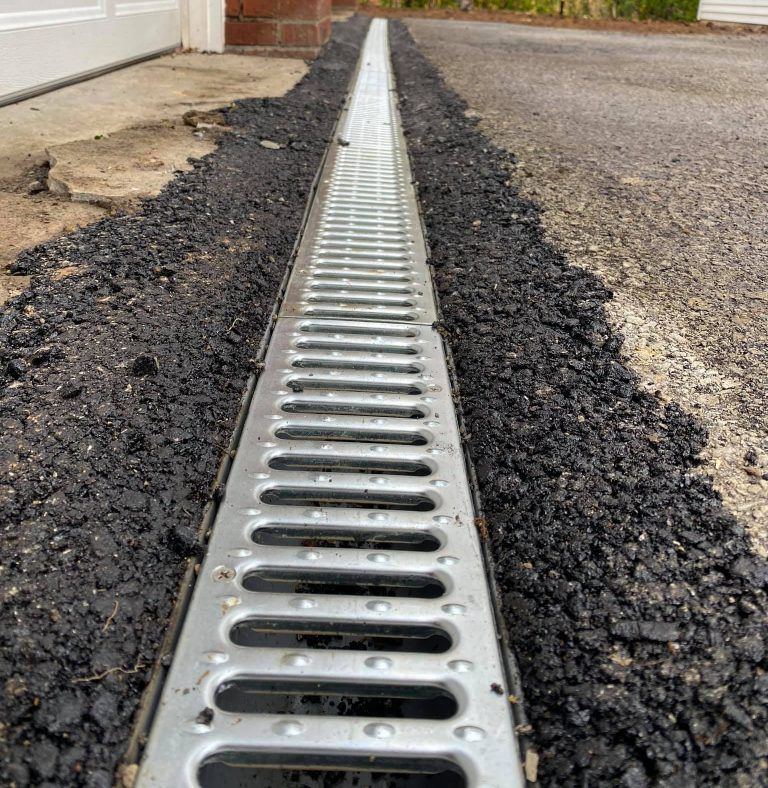
Prefabricated Trench Drain Systems - Pre-assembled drain sections with built-in filtration layers are now available, reducing on-site labor and ensuring consistent quality. These systems are particularly useful in urban Pittsburgh properties where space is tight and quick installation is a priority.


Geotextile Fabrics with Anti-Clogging Properties - Advanced woven or nonwoven fabrics now allow water to pass through while filtering out fine silt and clay particles. In Pittsburgh's clay-heavy soils, this helps prevent the buildup that often leads to reduced water flow.


Corrugated Pipes with Improved Flow - Newer corrugated pipes feature smoother interior linings, which improve water movement and reduce the chances of debris sticking to the inside. They're also more flexible, making them easier to install around existing landscaping or uneven terrain.


Smart Drainage Monitoring


French drains used to be a "set it and forget it" system, until a clog or failure caused noticeable flooding. Modern drainage systems can now be equipped with technology to catch issues before they become significant problems.


Sensors for Water Detection - Small, discreet moisture sensors can be placed within the drain or at key collection points. These devices monitor water levels and send alerts if conditions indicate a possible blockage or overflow risk.


Smart Home Integration - For homeowners already using smart thermostats, security systems, or leak detection devices, drainage monitoring can now be part of the same network. This allows property owners to receive real-time updates directly on their phones or via email.


This proactive approach is valuable for real estate investors and property managers who can't be on-site daily but still need to ensure their properties remain dry.


Sustainable Innovations


As homeowners and contractors focus more on environmentally responsible building practices, French drain systems have also evolved to reduce their environmental impact.


Eco-Friendly Gravel Alternatives – Some installations now use lightweight, recycled aggregates instead of traditional stone. These alternative materials are easier to transport and install, reducing fuel usage during construction.


Recycled Pipe Materials – High-quality pipes made from recycled plastics offer durability without relying on newly manufactured raw materials.


Integration with Green Landscaping – French drains can be designed to work with rain gardens, bioswales, or permeable paver driveways, allowing water to naturally soak back into the ground while still protecting structures from flooding.


Installation Trends


Minimal Disruption Techniques


Digging long trenches can be disruptive to a yard, driveway, or garden. To minimize this, more drainage contractors are adopting trenchless or low-dig methods. In some cases, narrow trenching equipment or specialized boring tools allow the installation of pipes without tearing up large areas of grass or hardscaping.


This is especially useful in older Pittsburgh neighborhoods where property lines are tight, landscaping is mature, and homeowners want to preserve their outdoor space during the project.


Design Customization for Pittsburgh Conditions


Pittsburgh's variety of soil types, property slopes, and neighborhood layouts means no two drainage jobs are identical. A well-designed French drain system takes into account:


Soil Permeability - Clay soils require more filtration and sediment control than sandy or loamy soils.


Proximity to Foundations - Some properties need the drain closer to the home's perimeter, while others benefit from a yard drainage system farther from the structure.


Local Weather Patterns - Systems must be designed to handle not only average rainfall but also heavy storm events and snowmelt.


By customizing designs to each property's unique conditions, installers can create systems that work more efficiently and last longer.


Hybrid Drainage Systems


Rather than relying only on your French drain, many modern solutions combine multiple drainage strategies for maximum protection:


French Drains + Sump Pumps - This combination is effective for keeping basements dry in areas with a high water table.


French Drains + Dry Wells - A dry well can store excess water during peak rainfall and release it slowly into the ground.


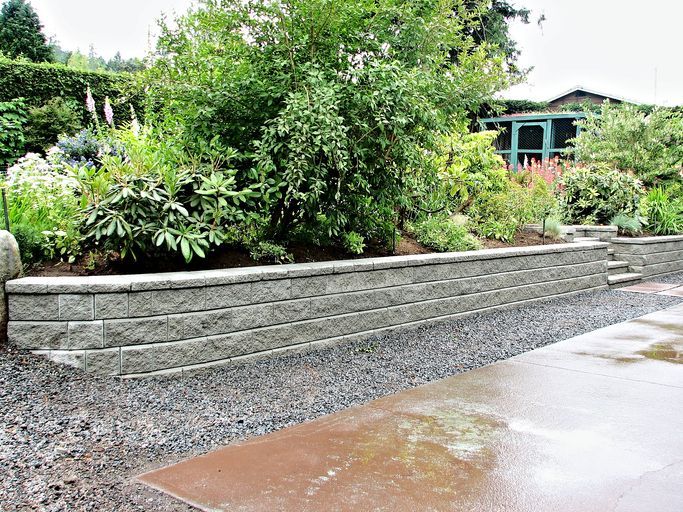
French Drains + Retaining Wall Weep Holes - For hillside properties, these allow water pressure to escape, reducing the risk of wall failure.


Pittsburgh Drain Guys' Approach


At Pittsburgh Drain Guys, we focus on creating yard drainage systems for Pittsburgh homeowners that are both effective and built to last. This means more than just installing pipes; it also involves thoughtful planning, high-quality materials, and professional workmanship.


Investment in Training - Our team regularly updates its skills to stay ahead of new industry techniques and technology. This ensures that every system meets or exceeds current best practices.


Use of Durable, Tested Materials - We choose products with excellent performance, from advanced geotextiles to high-flow corrugated piping.


Property-Specific Solutions - Every installation begins with a thorough inspection and evaluation of the property's drainage challenges. This allows us to design a system tailored to each client's needs.


Customer Communication - We keep homeowners informed from the initial consultation through the final walkthrough, so they understand exactly how their system works and how to maintain it.


Our goal is to leave each property with a drainage system that will perform reliably for years, without unnecessary disruption or maintenance headaches.


Maintenance Considerations for Modern French Drains


Even the most advanced French drain system benefits from occasional maintenance. Fortunately, innovations have made this process easier.


Inspection Ports - Many systems now include access points where professionals can check for blockages or perform routine cleaning without digging.


Flushable Designs - Some drains are built to allow water jetting, which clears sediment without excavation.


Monitoring Alerts - For systems with smart sensors, homeowners can receive early warnings if performance changes, prompting timely maintenance before problems worsen.


Schedule a Free Consultation or Drainage Inspection Today! 


With new materials, better designs, and technology that keeps you informed, French drain systems have come a long way from their traditional gravel-and-pipe beginnings. 


For Pittsburgh homeowners, property managers, and contractors, these advancements provide efficient water control, less disruption during installation, and longer-lasting protection against the city's challenging weather and soil conditions.


Looking for long-term drainage solutions? Contact Pittsburgh Drain Guys today and explore our modern French drain systems. Schedule your free consultation or drainage inspection now and see how the latest innovations can keep your property dry and protected year-round.
September 22, 2026
Learn how retaining walls, proper drainage, and grading work together to manage heavy fall runoff, saturated soil, and erosion around your Pittsburgh property.
August 27, 2026
Most homeowners associate drainage problems with heavy rain, standing water, soggy lawns, or a wet basement. Those are some of the most noticeable signs that water is not moving properly around a property. However, drainage issues do not necessarily disappear when the weather turns dry. Extended periods without rain can reveal different clues about how soil and water behave around your home. Cracking soil, changes around foundation walls, and compacted areas of the yard can provide information about conditions that may become more noticeable when rain returns. Understanding these warning signs can help Pittsburgh homeowners identify potential drainage concerns before the next stretch of wet weather. Why Dry Weather Can Reveal Drainage Problems A drainage system has to manage changing conditions throughout the year. During wet periods, the challenge is moving excess water away from areas where it can collect. During dry periods, changes in soil moisture can make existing conditions easier to see. Soil can contract as it loses moisture. Areas that have experienced repeated saturation and drying may also settle or compact differently across the property. These changes do not automatically mean there is a serious drainage problem, but they can provide useful clues when considered alongside what happens during rainfall. For example, a low area that repeatedly holds water during storms may look unusually hard, cracked, or compacted after an extended dry period. Paying attention to both wet-weather and dry-weather conditions gives you a better picture of how water moves across your property. Cracking Soil Can Tell You Something About Water Movement Visible cracks in dry soil are one of the easiest changes for homeowners to notice. Soil naturally changes as moisture levels rise and fall, and drying can cause some soils to shrink. The important question is not simply whether you see a crack. Look at where changes are occurring and whether those areas correspond with previous drainage problems. Pay particular attention to soil near: Foundation walls Downspout discharge locations Low areas of the yard Patios and walkways Retaining walls Areas where water regularly pools after storms If the same location becomes saturated after rainfall and extremely dry or cracked during periods without rain, the property may be experiencing significant swings in soil moisture. Addressing the way water reaches and leaves that area can be part of creating more consistent drainage conditions. Watch for Changes Around Foundation Walls Your foundation is another important area to observe during dry weather. Changes in soil conditions around a foundation can occur as moisture levels fluctuate. Homeowners may also notice cracks or changes in existing cracks and wonder whether drainage is contributing to the problem. A wall crack by itself does not tell you the cause. There are different reasons cracks can develop, which is why the location, size, direction, and surrounding property conditions matter. Pittsburgh Drain Guys provides additional information about what causes wall cracks and the factors property owners should consider when they notice changes. From a drainage perspective, it is particularly useful to look at what is happening outside the affected area. Does water collect against that portion of the foundation when it rains? Does a downspout discharge nearby? Does the ground slope toward the house instead of away from it? Those observations can help determine whether water management should be part of the larger conversation. Compacted Soil Can Affect Where Water Goes Dry weather can also make compacted areas easier to identify. Compacted soil has less open space for water to move through. When rain eventually returns, water may have difficulty soaking into those areas and instead travel across the surface. That runoff has to go somewhere. Depending on the property's grading, it could move toward a low section of the yard, collect alongside a patio, travel toward a neighboring property, or end up near the foundation. This is one reason drainage problems cannot always be solved by looking only at the place where water eventually appears. The source and path of the runoff also need to be considered. Dry Conditions Can Help Reveal Low Spots and Grading Issues Standing water makes a drainage problem obvious. When everything is dry, homeowners have an opportunity to look more closely at the shape of the property itself. Walk around the home and look at the grade. Ideally, surface water should have a clear path that does not direct it toward the foundation. Look for depressions, settled areas, or sections where the ground appears to slope toward the house. Also consider changes that have been made to the property over time. Patios, additions, landscaping, walkways, retaining walls, and other improvements can alter the way runoff travels. A problem may not become obvious until a significant rainfall exposes it. Recognizing these conditions during dry weather provides an opportunity to investigate before the yard is saturated. Pay Attention to Downspouts Even When It Isn't Raining Downspouts are easy to forget about when the weather is dry, but this can be a good time to inspect where they discharge. Roof runoff can concentrate a significant amount of water into relatively small areas around a property. If that water is released too close to the foundation or into an area with poor drainage, it can contribute to recurring water problems. Look at where each downspout ends and consider the surrounding grade. If it feeds into an underground drainage system, visible settling or other changes around the drainage route may also deserve attention. The goal is not simply to move roof water out of the gutter. It needs to reach an appropriate location without creating another drainage problem elsewhere on the property. What Happens When Rain Returns? Dry weather can make homeowners feel like a drainage problem has resolved itself. Unfortunately, the real test comes when rainfall returns. If water does not have an effective route through or away from the property, the same low spots may fill again. Runoff may return to the foundation. Compacted areas may shed water instead of absorbing it. Existing drainage systems may struggle to keep up. That is why observing your property in different weather conditions can be valuable. After the next substantial rainfall, compare what you see with the conditions you noticed when the yard was dry. Look for water collecting in previously cracked or compacted areas, runoff moving toward the house, overflowing drainage points, or soil remaining saturated significantly longer than surrounding areas. Those patterns can provide much more useful information than looking at a single puddle in isolation. Drainage Problems Can Affect More Than Your Yard Managing drainage is ultimately about protecting the property as a whole. Repeated water problems can affect landscaping, usable outdoor areas, foundations, basements, and other parts of a property. Visible water concerns can also become important when maintaining, improving, or eventually selling a home. Our guide to how poor drainage can devalue your property explains why water management should be viewed as part of long-term property maintenance rather than simply a response to the occasional puddle. Identifying drainage concerns early gives homeowners more time to understand what is happening and determine an appropriate solution. What Drainage Solutions May Be Considered? There is no single drainage system that is appropriate for every wet yard or foundation problem. The right approach depends on where the water originates, how it travels across the property, the grade, soil conditions, and where that water can safely be directed. Depending on the property, a professional drainage plan may involve solutions such as French drains, surface drainage, downspout drainage, grading adjustments, or another approach designed around the specific water problem. This is why identifying the cause matters. Installing a drain in the place where water happens to collect does not necessarily address why the water is getting there. A professional evaluation can look at the property as a complete drainage system instead of treating individual symptoms separately. Don't Wait for a Downpour to Think About Drainage A dry yard can still tell you a lot about how your property handles water. Cracking soil, compacted areas, changes around the foundation, low spots, and questionable grading can all be reasons to pay closer attention. None of these signs automatically proves that you have a serious drainage problem, but they can help you identify areas worth monitoring when rain returns. If you've already experienced standing water, basement moisture, runoff near your foundation, or other recurring water problems, dry weather can be a convenient time to have the property evaluated. Pittsburgh Drain Guys can assess your property's drainage conditions and help determine what is contributing to the problem. Contact Pittsburgh Drain Guys to discuss your drainage concerns and find a solution designed for your property.
May 28, 2026
Learn why Pittsburgh’s clay-heavy soil causes soggy yards and how custom drainage solutions can help fix standing water at the source.
May 20, 2026
Planning a home addition? Learn common drainage mistakes that can cause basement water problems and how proper planning helps protect your Pittsburgh home.
April 15, 2026
Planning a home addition? Learn the most common drainage mistakes that can lead to flooding, erosion, and foundation damage - and how to avoid them.
Spring Yard Damage Isn’t Just Mud - It’s a Drainage Design Issue
March 30, 2026
If your yard turns into a mess every year, the problem is probably not just mud. It is more likely that water is not being directed away from your property the way it should be.
How Snowmelt Exposes Hidden Drainage Problems Around Your Foundation
February 24, 2026
Learn how snowmelt can reveal hidden drainage problems around your foundation, including saturated soil, cracks, and outdated systems, and what to check now.
January 23, 2026
Discover how winter snow and runoff can lead to major drainage issues and water damage. Learn how to protect your property today.
How Water Retention Systems Protect Your Home During Pittsburgh Winters
December 28, 2025
Learn how water retention systems help protect Pittsburgh homes during winter by managing runoff, preventing pooling water, and reducing freeze-thaw damage.
How Fall Leaves Could Be Causing Water Damage to Your Home
By Rocket Websitez • November 26, 2025
Don’t let autumn leaves put your home at risk. Discover how leaf buildup leads to drainage and foundation issues, and how to stop it now.
More Posts

Author: Jay Nagy


Owner & Founded of J Bird's Landscaping. Years of experience in Pittsburgh lawn cutting, patio installation, trucking/hauling, French drain installation, and other landscape/design services.