Spring Yard Damage Isn’t Just Mud - It’s a Drainage Design Issue

When spring shows up in Western Pennsylvania, it usually brings more than warmer temperatures. Melting snow, steady rain, and saturated soil can leave homeowners dealing with muddy grass, standing water, and sections of the yard that never seem to dry out. While a lot of people assume this is just part of the season, recurring yard damage in spring often points to a larger drainage issue.
If your yard turns into a mess every year, the problem is probably not just mud. It is more likely that water is not being directed away from your property the way it should be.
A landscaping problem and a drainage design problem are not the same thing. Grass seed, mulch, and seasonal cleanup may help the yard look a little better for a short time, but they will not fix the cause of repeated saturation. When water has nowhere to go, the same damage keeps coming back.
Why Spring Exposes Drainage Problems
Spring tends to reveal weak points in a yard faster than any other season. The ground is already holding moisture from winter, and repeated rainfall pushes it past its limit. Once that happens, every flaw in grading, runoff control, and drainage layout becomes more noticeable.
Homeowners often start seeing:
- muddy patches that stay soft for days
- water pooling after moderate rain
- thinning grass in the same areas every year
- erosion around patios, flower beds, or walkways
- soggy ground near downspouts
- runoff collecting too close to the house
These are easy problems to brush off at first. Many homeowners assume the yard just needs time to dry out. But when the same conditions return every spring, the issue is usually built into the way the property handles water.
Mud Is the Result, Not the Cause
Mud does not appear without a reason. It forms when too much water collects in one area and stays there long enough to oversaturate the soil. That usually means runoff is being trapped, redirected incorrectly, or allowed to settle where it should not.
This is why surface-level fixes usually fall short. You can reseed damaged grass, add soil to low spots, or cover wet areas with stone, but none of those changes solve the underlying drainage pattern. If water continues to move through the yard the same way, the problem will return with the next heavy rain.
That is also why muddy yard issues should not be dismissed as purely cosmetic. Ongoing oversaturation can damage turf, wash away soil, create slippery areas, and contribute to foundation concerns if water is collecting too close to the home.
Common Drainage Design Problems Behind Spring Yard Damage
A muddy yard can come from several different issues, and sometimes more than one is contributing at the same time. The key is understanding how your property is reacting to spring water.
Improper Grading
Grading controls the direction water takes across your property. If the slope is too flat, uneven, or angled the wrong way, runoff will slow down and collect instead of draining away.
Even a small grading problem can lead to:
- persistent puddles
- soft spots in the lawn
- erosion in low areas
- runoff flowing back toward the house
A properly graded yard should move water away from the foundation and prevent it from settling in problem areas.
Downspouts Creating Concentrated Runoff
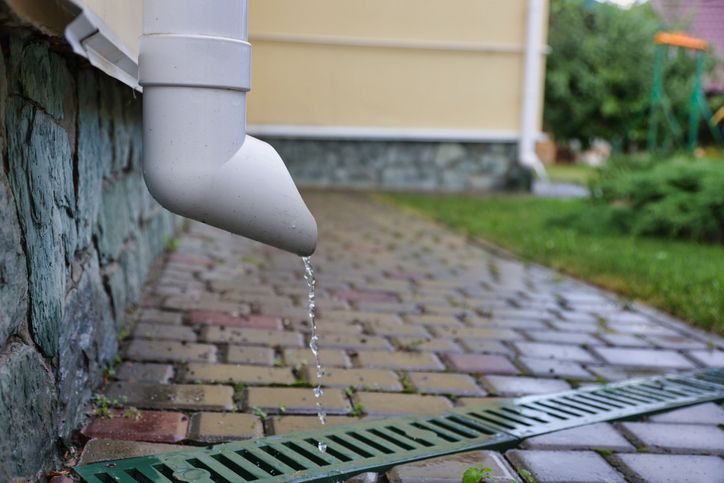
Roof runoff is one of the biggest contributors to spring yard damage. When downspouts empty too close to the house or discharge into the same section of lawn over and over, they dump a large volume of water into one area in a short amount of time.
That repeated saturation often causes muddy patches, washout, and drainage issues near the foundation. It can also contribute to basement concerns. Many of the same warning signs are connected to the issues covered in common reasons for basement water problems, especially when roof water is not being carried far enough away from the home.
Compacted Soil
Some yards stay wet because the soil cannot absorb water effectively. This is common in properties with clay-heavy soil, but it can also happen after years of foot traffic, vehicle use, or construction activity.
Compacted soil limits absorption and keeps water near the surface. In spring, when the yard is already saturated, that can turn a minor drainage weakness into a recurring mess.
Missing Drainage Features
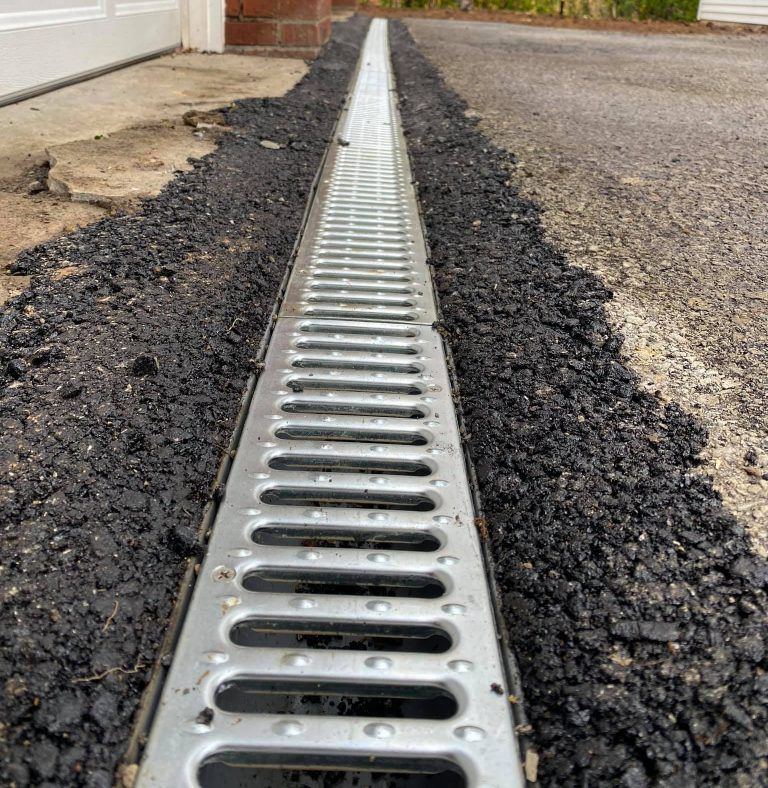
Some properties simply do not have the drainage systems needed to manage seasonal runoff. Without catch basins, drainage lines, swales, or other water-control features, the yard is forced to absorb more water than it can handle.
When that happens, runoff usually settles in the lowest part of the property or begins collecting near hardscaping and structures. That is when a wet yard turns into a long-term issue instead of a short-lived spring nuisance.
Landscaping or Hardscaping That Blocks Water Flow
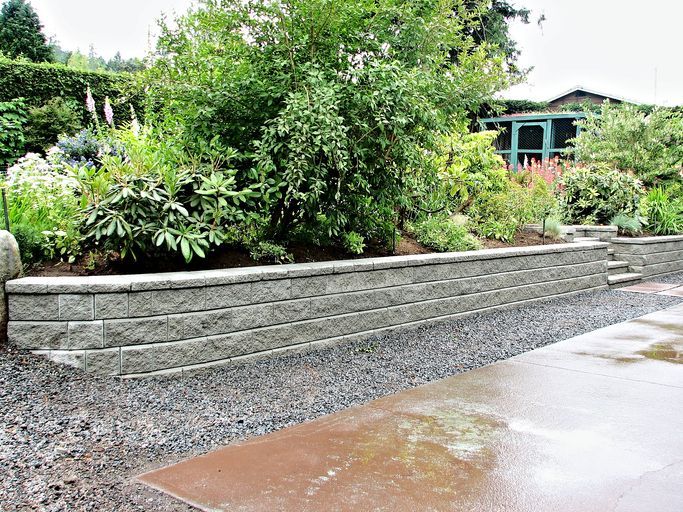
Retaining walls, patios, edging, garden beds, and decorative landscaping can change how water moves through the yard. A feature that looks good during dry weather may interrupt natural runoff during spring rain.
In some cases, these additions trap water in the lawn or redirect it toward the home. The result is a yard that stays muddy no matter how much attention the landscaping gets.
Why Quick Yard Fixes Usually Do Not Last
When homeowners see yard damage, they often try to improve the appearance first. That is understandable, but these fixes rarely hold up if water is still moving the wrong way.
Common short-term attempts include:
- adding topsoil to low spots
- reseeding damaged turf
- laying straw or mulch over muddy areas
- using decorative stone to cover wet ground
- waiting for warmer weather to solve the problem
These steps may help the yard look cleaner for a while, but they do not change the reason the yard is wet. If drainage patterns stay the same, the same issues will come back with the next stretch of rain.
Drainage Improvements That Address the Problems
Long-term yard protection starts with figuring out where the water is coming from, where it is collecting, and why it is not leaving the property efficiently. Once that is clear, the right drainage correction can be matched to the layout of the yard.
Depending on the property, that may involve:
- regrading sections of the yard
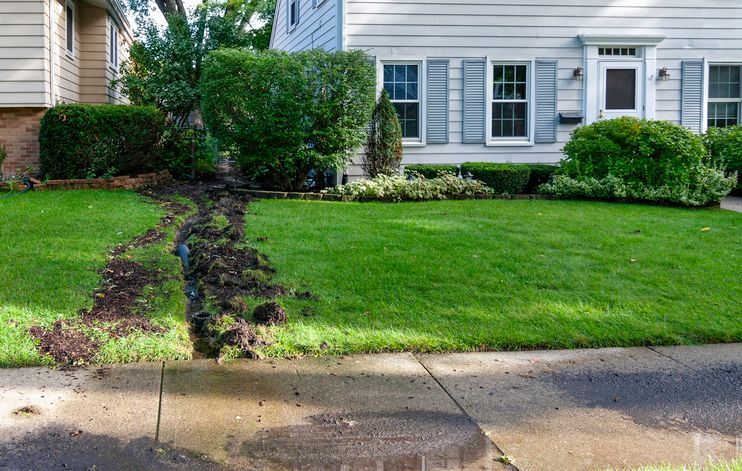
- extending or burying downspouts
- adding catch basins in low areas
- installing French drains
- creating a better path for surface runoff
For homeowners dealing with recurring soggy conditions, targeted drainage solutions for wet yards often make much more sense than continuing to patch the same muddy spots every spring.
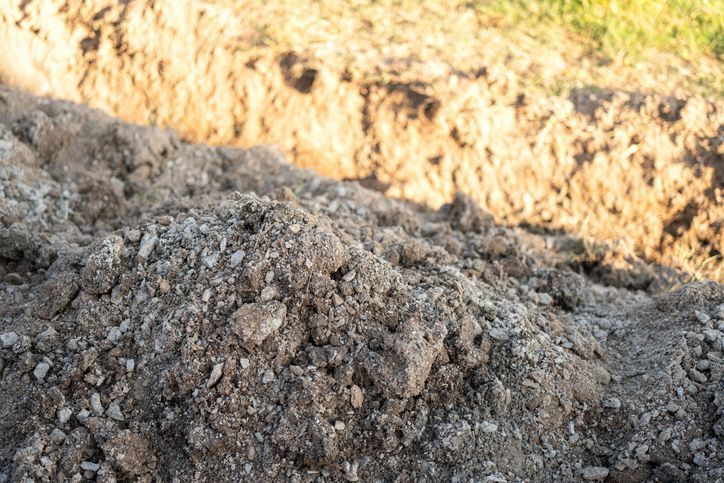
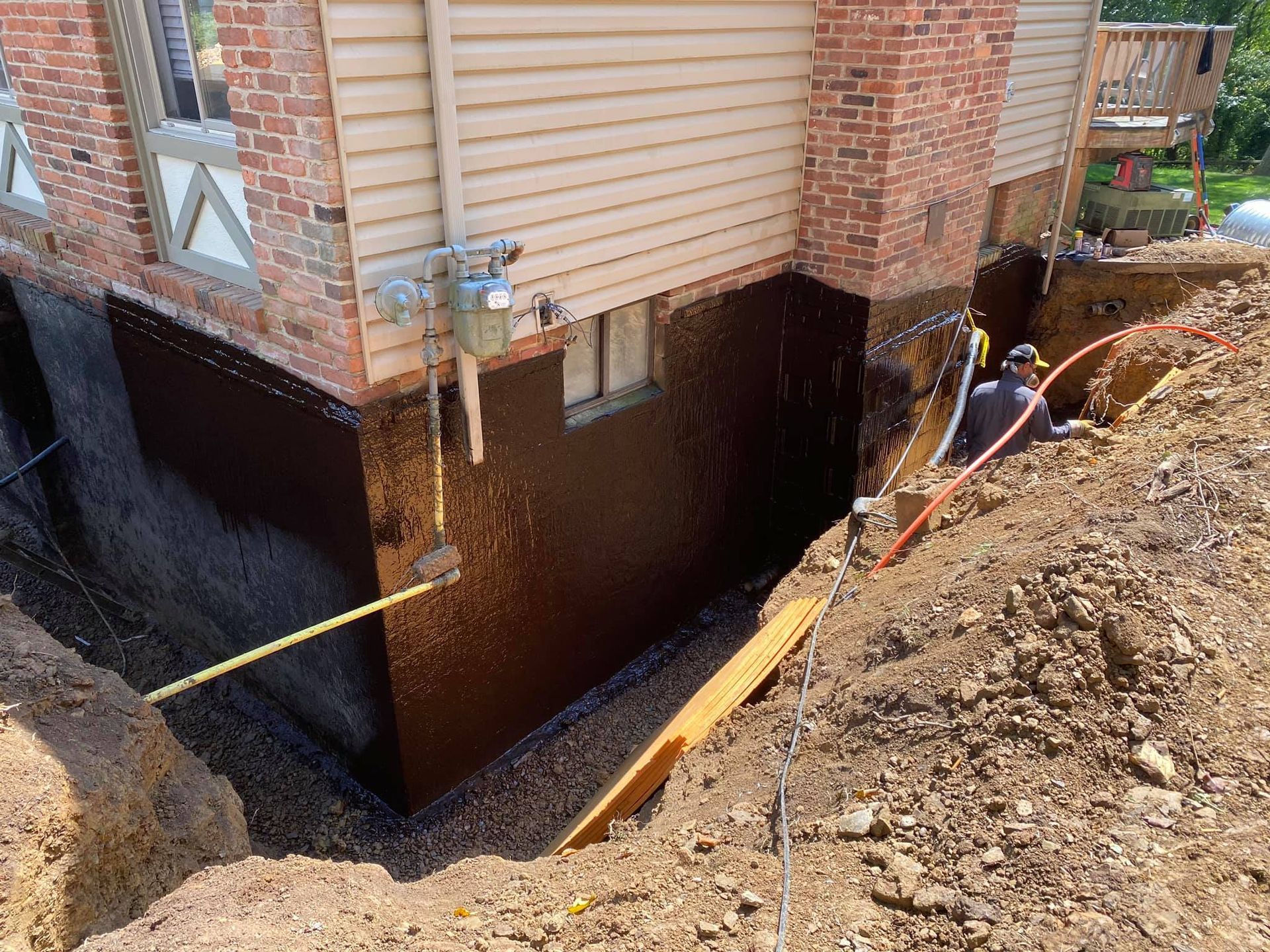
Some projects also require excavation and site work to correct the grade or install underground drainage. That work needs to be done carefully, which is why how professional excavation can prevent property damage is an important part of solving more involved drainage issues the right way.
Why Spring Is a Good Time to Deal With It
Spring is one of the easiest times to identify a drainage issue because the evidence is right in front of you. Water patterns are visible, soft spots are easy to find, and runoff problems are harder to miss.
Taking care of the problem early can help reduce:
- erosion
- lawn damage
- standing water
- foundation exposure to excess moisture
- repeated seasonal cleanup
It can also help you get more use out of your yard sooner instead of spending another season working around muddy spots and pooling water. Homeowners looking to stay ahead of these issues can also benefit from seasonal planning strategies like those covered in prevent flooding and prepare your yard for spring.
Stop Treating Spring Mud Like a Normal Part of the Season
A yard that turns muddy every spring is usually telling you something. Water is not draining off the property the way it should, and the problem is likely tied to the way the yard is graded, where runoff is being discharged, or what drainage systems are missing.
Instead of treating the symptoms year after year, it makes more sense to fix the source of the problem. Correct drainage can protect your lawn, reduce erosion, improve how your yard functions, and help keep water away from your home.
If you are dealing with standing water, soggy grass, or repeated spring yard damage, contact Pittsburgh Drain Guys for expert drainage solutions in Pittsburgh that are built to fix the problem at the source.