The Winter Drainage Domino Effect: From Snowfall to Runoff to Water Damage
The Hidden Risk Under the Snow
Pittsburgh winters bring familiar challenges: snow-covered driveways, icy sidewalks, and fluctuating temperatures that move from freezing to mild and back again. While most homeowners focus on visible concerns, such as heating systems, roof integrity, and ice removal, a less obvious issue is developing beneath the surface.
Snow doesn't just disappear when temperatures rise. Instead, it becomes part of a slow-moving chain reaction that can affect soil stability, drainage systems, and a home’s foundation. In many cases, the groundwork for spring water damage is laid during the winter months, long before the arrival of heavy rainfall.
Understanding how winter weather affects drainage is a crucial step toward preventing basement leaks, landscape damage, and long-term structural issues. This guide explains the winter drainage domino effect—from snowfall to runoff to water damage—and outlines what Pittsburgh homeowners can do to stay ahead of potential problems.
The Domino Effect: How Snow Turns into Damage
Winter drainage problems rarely come from a single event. Instead, they develop gradually as snow accumulation, melting patterns, and soil conditions interact. Each step in the process builds on the last, creating conditions where water has nowhere to go.
Snowfall Accumulation
Snowfall is the first piece of the puzzle. Throughout the winter, snow accumulates on rooftops, lawns, driveways, and hardscape surfaces. Even modest storms add moisture to the property, and when snow remains on the ground for extended periods, that moisture is temporarily stored.
In Pittsburgh, winter weather often brings repeated snowfalls with only short breaks between them. This layering effect increases the total volume of water that will eventually need to drain away from the home.
Melting from Rooftops, Lawns, and Hard Surfaces
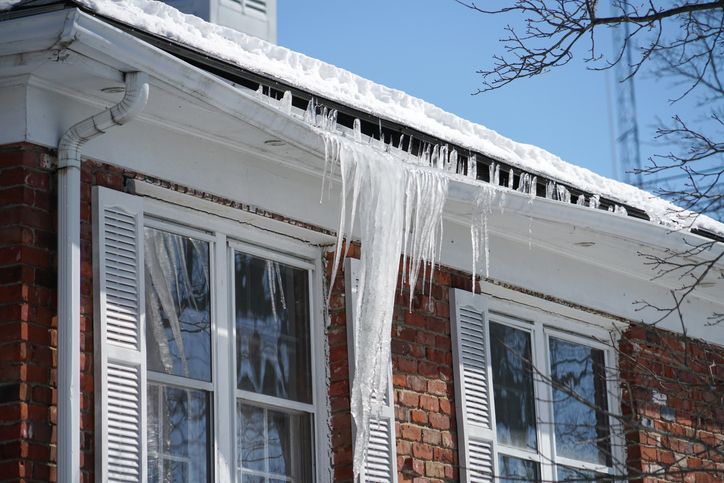
As temperatures fluctuate, sometimes within the same day, snow begins to melt. This meltwater does not occur all at once. Instead, it often refreezes overnight and melts again during the day, creating repeated runoff cycles.
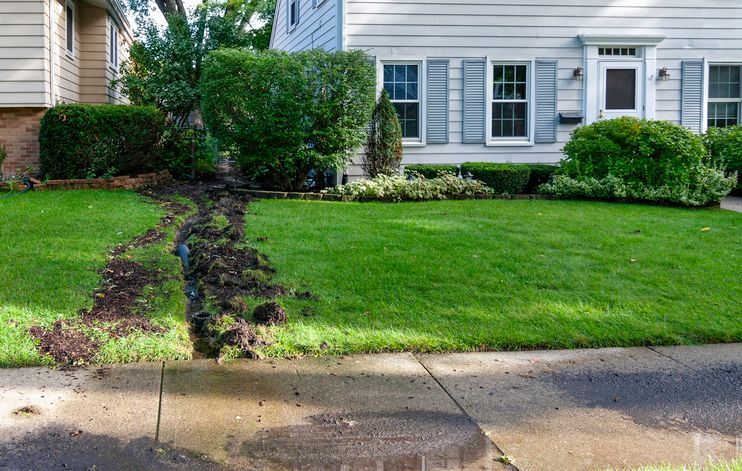
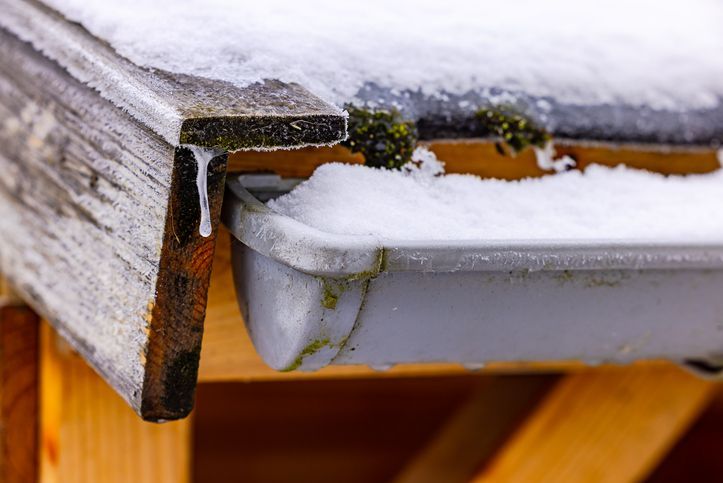
Meltwater flows off roofs, across driveways and sidewalks, and through yards. If gutters, downspouts, and grading are not functioning correctly, this water may be directed toward the foundation instead of away from it.
Frozen or Oversaturated Ground
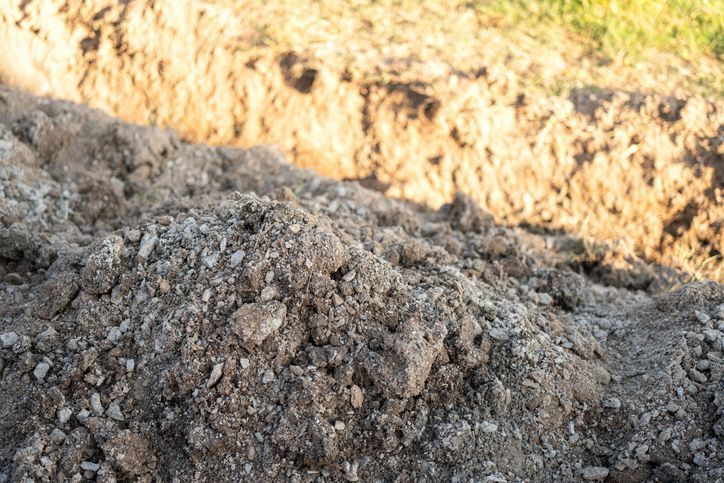
One of the most critical winter factors is soil condition. During cold periods, the ground freezes, reducing its ability to absorb water. Even when temperatures rise enough to melt snow, the soil beneath may still be frozen or only partially thawed.
In other cases, the soil becomes oversaturated due to repeated melting events. When the ground cannot absorb additional water, runoff increases. Instead of soaking in, meltwater moves laterally across the surface, seeking the lowest point.
Runoff Collection Around the Foundation
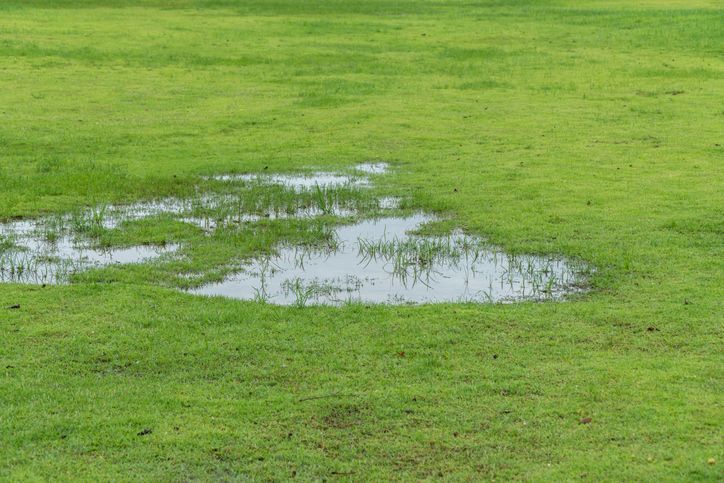
As runoff increases, water naturally collects around foundations, window wells, and low-lying areas of the yard. This is especially common when grading slopes toward the home or when downspouts discharge too close to the structure.
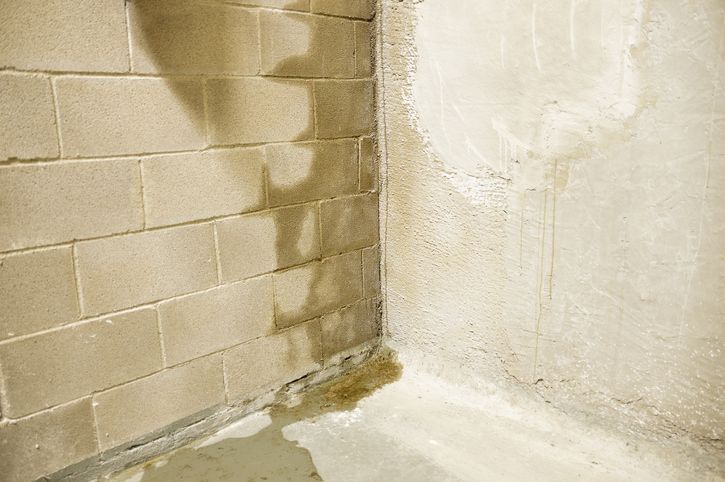
Over time, repeated exposure to moisture puts pressure on foundation walls. Water may seep into small cracks, through porous materials, or into basement spaces that are already vulnerable.
Water Retention and Property Damage
When water consistently collects in the same areas, it creates long-term issues. Common outcomes include:
- Basement leaks or damp walls
- Standing water near the foundation
- Soil erosion or sinking landscaping
- Lawn damage or root rot
- Foundation cracking due to freeze-thaw cycles
- Mold or moisture-related indoor air quality issues
These problems often become more noticeable in early spring, but their origins frequently trace back to winter drainage conditions.
What Makes Pittsburgh Homes Vulnerable
Pittsburgh’s geography and climate create unique drainage challenges that homeowners should be aware of.
Clay-Heavy Soil
Many areas in the Pittsburgh region have clay-rich soil. Clay does not drain water efficiently, especially when compacted or frozen. During winter thaws, clay soil tends to hold water near the surface, resulting in increased runoff rather than absorption.
Freeze-Thaw Cycles
Pittsburgh winters are known for temperature swings. These freeze-thaw cycles cause soil expansion and contraction, which can cause grading shifts, open small foundation cracks, and disrupt drainage pathways.
Hillside and Sloped Properties
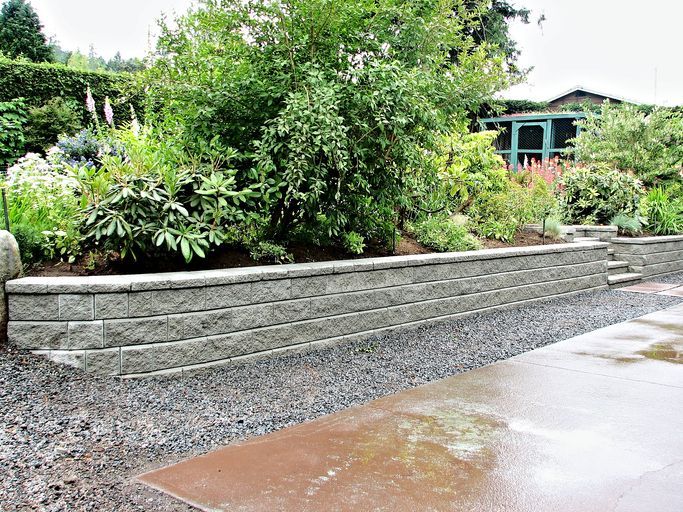
Homes built on slopes or near hillsides often experience faster runoff movement. When snowmelt flows downhill, it can concentrate around specific properties, increasing water pressure against foundations and retaining walls.
Older Infrastructure
Many Pittsburgh homes were built decades ago, before modern drainage standards were common. Older foundations, outdated downspout layouts, and limited subsurface drainage systems can struggle to manage winter runoff effectively.
Winter Drainage Systems That Prevent the Domino Effect
Preventing winter drainage problems starts with managing water movement before it becomes an issue. Several systems and strategies can help interrupt the domino effect early.
Proper Gutter and Downspout Management
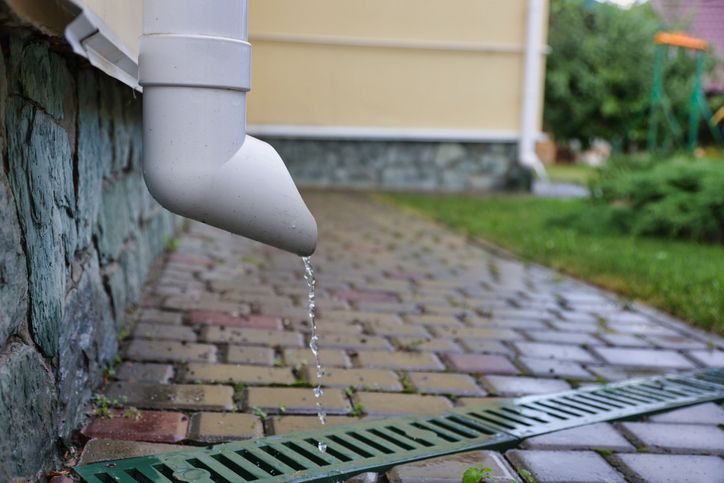
Gutters and downspouts play a central role in directing roof runoff. In winter, they must remain clear of debris and ice buildup. Downspouts must extend far enough away from the foundation to prevent meltwater from pooling nearby.
Surface Grading Adjustments
Correct grading ensures that water flows away from the home, preventing it from accumulating around the foundation. Even slight slopes toward the foundation can become problematic during snowmelt. Addressing grading issues before winter helps reduce runoff accumulation during thaws.
French Drains and Subsurface Drainage
French drains are designed to collect groundwater and redirect it to the proper drainage site. When installed properly, they help manage water below the surface, reducing hydrostatic pressure around foundations during winter and spring.
Channel Drains for Hardscapes
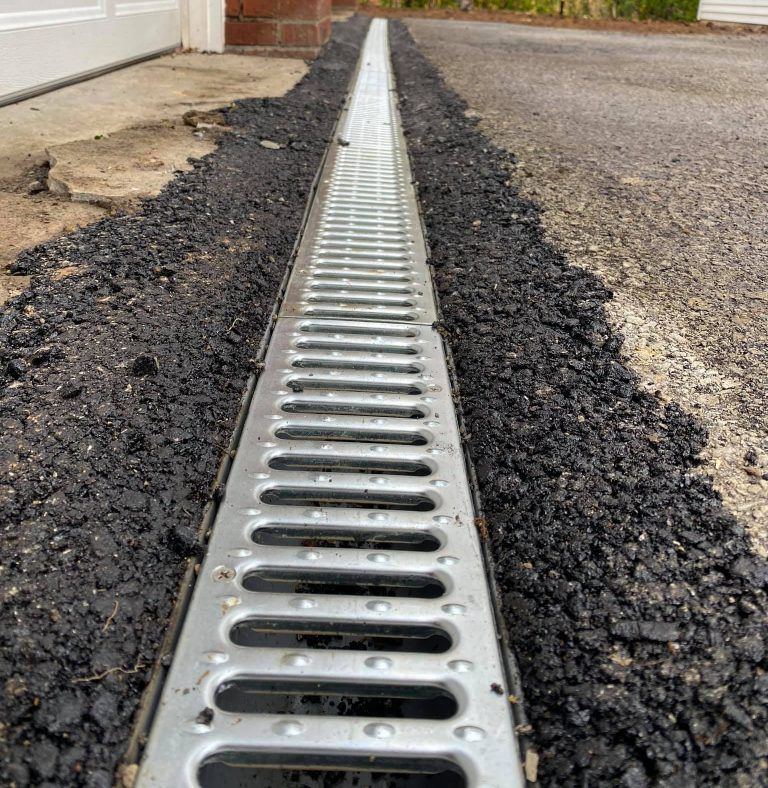
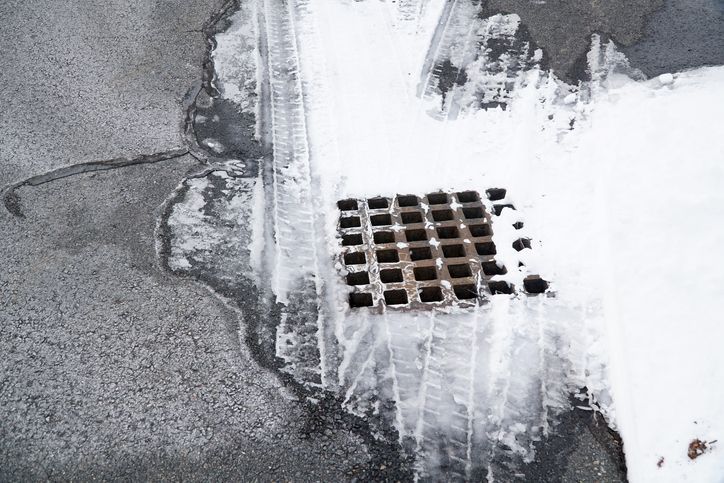
Driveways, walkways, and patios can funnel snowmelt toward the home. Channel drains intercept this runoff and guide it to a controlled discharge point, preventing surface water buildup.
Sump Pump and Discharge Planning
Sump systems should be inspected before winter to ensure they are functioning correctly. Discharge lines must remain clear and protected from freezing to avoid backups during melting periods.
What Homeowners Should Look For Now
Winter is not too late to evaluate drainage conditions. In fact, it can be one of the most revealing times of year.
Homeowners should watch for:
- Water pooling near the foundation during thaws.
- Ice buildup along foundation walls or walkways
- Damp basement walls or musty odors
- Soil erosion or exposed roots after the snow melts
- Downspouts are discharging directly next to the house.
Even minor signs can indicate larger drainage inefficiencies that will worsen as snowmelt continues and spring rains arrive.
How Pittsburgh Drain Guys Can Help
Pittsburgh Drain Guys specializes in identifying and addressing drainage issues specific to homes in Western Pennsylvania. Their team understands how winter weather, soil conditions, and local construction styles interact.
Services include:
- Winter drainage inspections
- Downspout and grading evaluations
- French drain design and installation
- Surface and subsurface water management solutions
- Preventative planning before peak melt season
By assessing drainage systems during winter, potential problems can be addressed before they lead to major repairs or water damage.
Prepare Before the Next Thaw - Call Pittsburgh Drain Guys Today!
Winter drainage problems often develop quietly, becoming visible only when damage has already begun. Scheduling a professional drainage inspection before the next thaw allows homeowners to take a proactive approach.
Pittsburgh Drain Guys offers consultations to help identify risks and recommend practical solutions. Availability can be limited during peak melt periods, so planning ahead is encouraged.
A free estimate or winter drainage consultation can provide peace of mind and help protect your home as the seasons change.