How Water Retention Systems Protect Your Home During Pittsburgh Winters
Winter in Pittsburgh brings cold temperatures and snow-covered driveways, but for homeowners, it also introduces a set of hidden water-related risks that can quietly damage foundations, basements, and surrounding landscapes. While many people focus on their heating systems or roof maintenance before winter arrives, drainage and water retention systems are often overlooked, until problems appear.


Understanding how water behaves during Pittsburgh winters and how water retention systems manage that water can help protect your home from seasonal damage. Whether you’re preparing for your first winter in the area or have experienced water issues in the past, addressing drainage concerns before cold weather arrives is a crucial step in protecting your property in the long term.


Cold Weather Creates Hidden Water Problems


Pittsburgh’s winter weather brings fluctuating temperatures, frequent freeze-thaw cycles, and periods of heavy snow that are often followed by rapid melting. These conditions place unique stress on residential properties, particularly when water has nowhere to go.


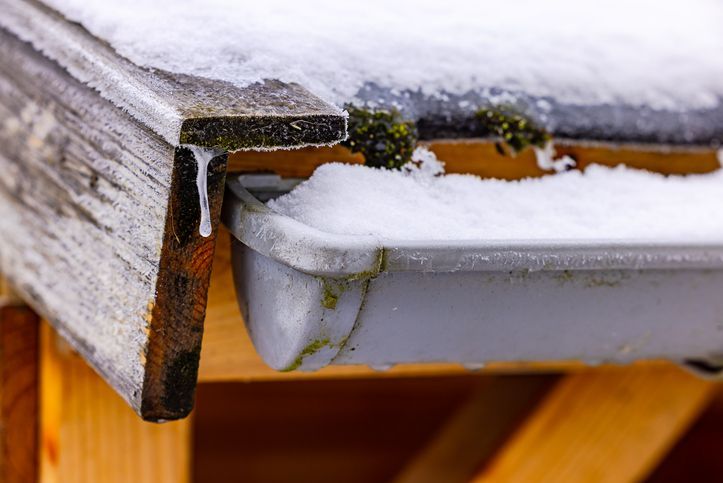
When soil freezes, it loses its ability to absorb moisture. Snowmelt and winter rain can collect near foundations, sidewalks, and driveways instead of draining away naturally. As temperatures rise and fall, trapped water freezes, expands, and refreezes, increasing pressure on concrete, masonry, and soil. Over time, this can contribute to cracks, shifting foundations, basement leaks, and ice buildup in unwanted areas.


These issues don’t usually happen overnight. They develop gradually, often out of sight, making early prevention far more effective than reactive repairs in the middle of winter.


What Is a Water Retention or Drainage System?


A water retention or drainage system is designed to control how water moves across and away from your property. Rather than allowing water to pool near your home or saturate soil around the foundation, these systems collect, redirect, or safely disperse excess moisture.


Common residential drainage solutions used in the Pittsburgh area include:


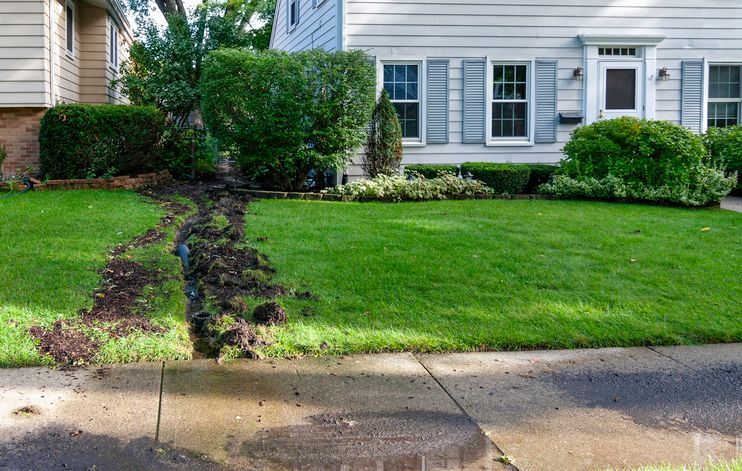
  • French drains, which redirect groundwater away from foundations
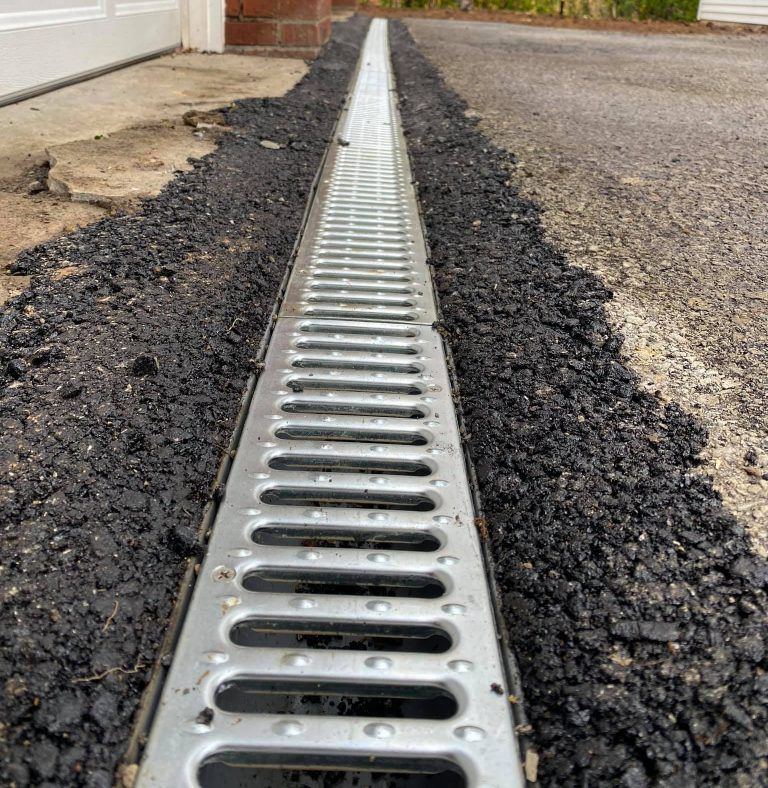
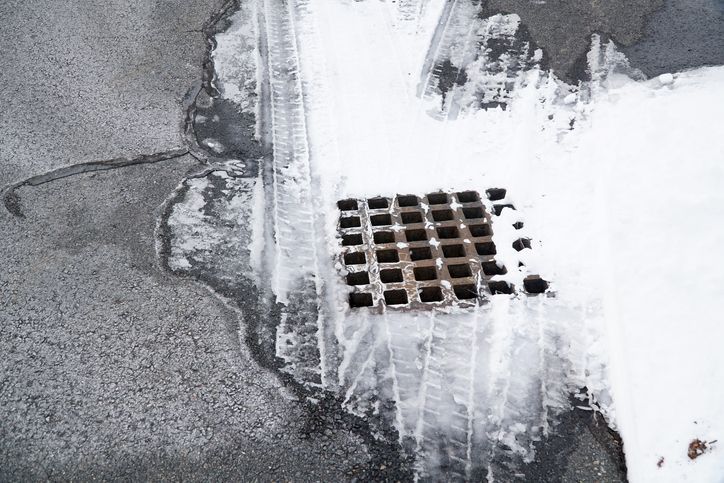
  • Catch basins, which collect surface water from yards and paved areas
  • Sump pump systems, which remove water from basements or crawl spaces
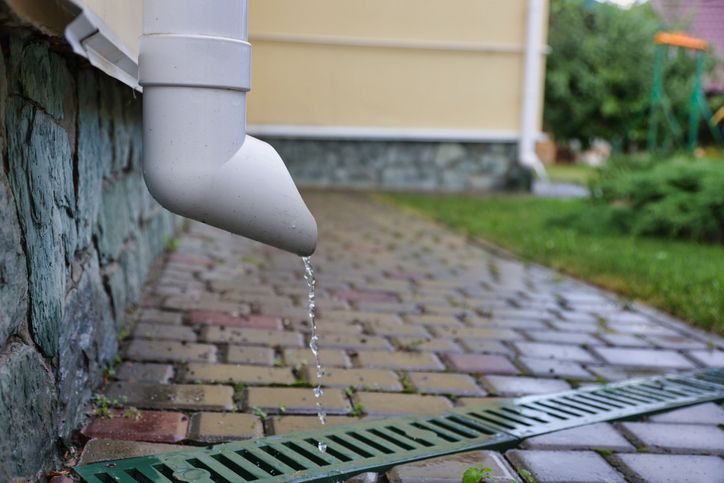
  • Downspout extensions or redirection, which move roof runoff away from the home


Each system plays a different role, and many properties benefit from a combination of solutions. The goal is not to eliminate water, but to manage it in a way that reduces stress on your home’s structure throughout the year, especially during winter.


How Water Becomes a Bigger Threat in Winter


Water is always present around your home, but winter alters its behavior. In colder months, several factors combine to increase the risk of damage.


Freeze-Thaw Cycles


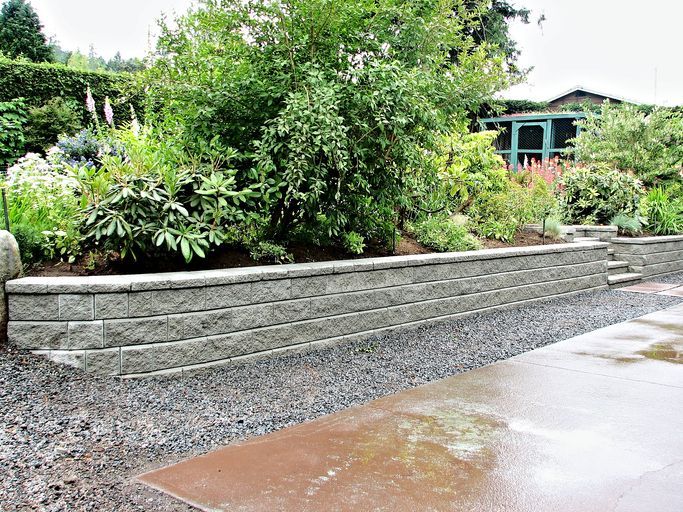
Pittsburgh winters are known for frequent temperature swings. Water that seeps into small cracks or saturated soil freezes overnight, expands, and then thaws during warmer daytime temperatures. This repeated expansion and contraction can widen foundation cracks, damage retaining walls, and loosen the soil that supports patios and walkways.


Snowmelt and Frozen Ground


When snow melts quickly, the ground beneath it may still be frozen. This prevents proper absorption and forces water to flow across the surface or collect near the foundation. Without a functioning drainage system, this water often seeps into basements or lower-level walls.


Ice Formation Around the Home


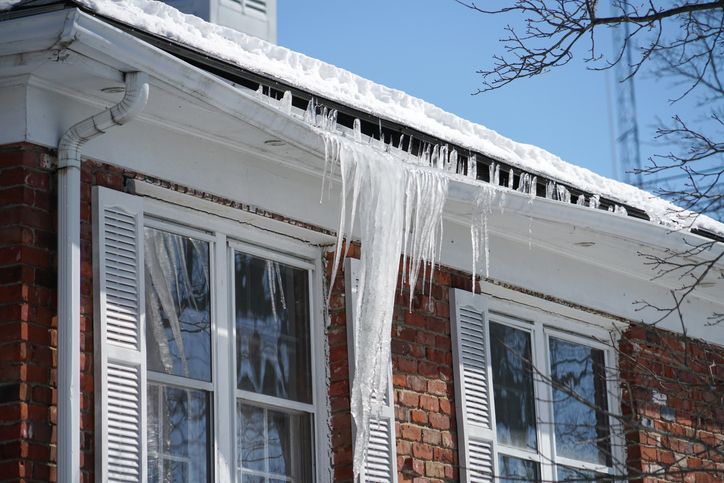
Poor drainage can lead to ice buildup near walkways, driveways, basement steps, and entry points. Beyond being a safety concern, ice accumulation can block existing drainage paths, causing water to back up toward the house.


Increased Basement Pressure


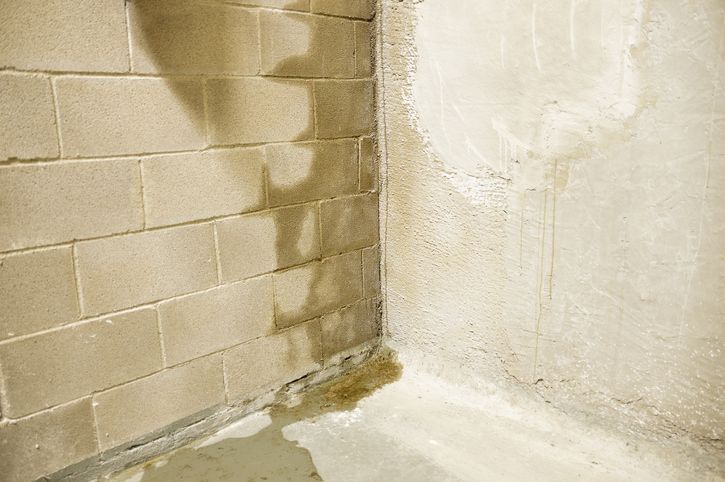
Hydrostatic pressure increases when water accumulates in the soil surrounding your foundation. During winter, frozen soil and poor drainage can trap water against basement walls, increasing the likelihood of leaks or seepage through existing vulnerabilities.


These winter-specific conditions make effective water management especially important before cold weather begins.


Signs You Need to Improve Your Drainage System Before Winter


Some drainage problems are apparent, while others are easily overlooked. When you pay close attention to early warning signs, you can help prevent more serious issues during winter.


Common indicators include:


  • Standing water in your yard after rain or snowmelt
  • Damp or musty odors in the basement
  • Water stains or discoloration on foundation walls
  • Cracks in your basement walls or floors that worsen over time
  • Ice buildup near downspouts, sidewalks, or foundation edges
  • The sump pump is running frequently or struggling to keep up.
  • Erosion or soil displacement around the foundation


Even if these issues seem minor during warmer months, winter conditions can amplify them quickly. A drainage system that performs adequately in summer may not handle frozen ground and snowmelt without adjustments or upgrades.


Why Now Is the Best Time to Act


Addressing drainage issues before winter offers several practical advantages.


Easier Installation and Inspection


Installing or improving drainage systems is more straightforward when the ground is not frozen. Fall inspections provide an opportunity to assess conditions, recommend solutions, and complete work before cold temperatures limit access.


Preventing Winter Emergencies


Emergency water issues in winter are often more difficult and expensive to address. Frozen soil, snow cover, and limited daylight can delay repairs, while water intrusion continues to cause damage. Proactive drainage work reduces the likelihood of mid-winter emergencies.


Protecting Long-Term Property Value


Water damage doesn’t just affect comfort - it impacts structural integrity and resale value. Consistent moisture problems can lead to foundation repairs, mold remediation, or interior damage that far exceeds the cost of preventative drainage solutions.


Peace of Mind During Harsh Weather


Knowing that water is being properly managed around your home allows you to focus on winter weather without worrying about hidden damage. A winter-ready drainage system provides reassurance during heavy snowfalls and thaw cycles.


How Pittsburgh Drain Guys Can Help


Pittsburgh Drain Guys specializes in diagnosing and resolving drainage and water retention issues specific to homes in Western Pennsylvania. With local experience and an understanding of regional soil conditions, weather patterns, and building styles, their team focuses on practical, long-term solutions.


Drainage Inspections


A professional drainage inspection assesses how water flows across your property and identifies areas where improvements are necessary. This includes checking existing drains, sump pump performance, downspout placement, and foundation exposure.


Customized Water Management Solutions


No two properties are exactly alike. Pittsburgh Drain Guys designs drainage systems based on your home’s layout, elevation, and known water issues. Solutions may involve installing French drains, improving surface drainage with catch basins, upgrading sump pump systems, or redirecting roof runoff away from vulnerable areas.


Clear Recommendations and Estimates


Homeowners receive straightforward explanations of recommended work and what problems it addresses. Estimates are provided so you can make informed decisions about protecting your property before winter.


Ongoing Support


Proper drainage is an investment in your home’s future. Pittsburgh Drain Guys focuses on systems designed to perform reliably through seasonal changes, including winter freeze-thaw cycles.


Prepare Your Home Before Winter Arrives


Winter water damage often starts with minor issues that go unnoticed until conditions worsen. By addressing drainage and water retention concerns ahead of time, Pittsburgh homeowners can reduce the risk of foundation damage, basement leaks, and ice-related hazards.


If you’re preparing your home for winter or have noticed signs of poor drainage, scheduling a professional inspection is a practical next step. Pittsburgh Drain Guys offers consultations and estimates to help you understand your options and ensure your home is ready for the colder months ahead.


Taking action now can help protect your home throughout the winter, and for years to come. Contact us today to learn more! 

August 27, 2026
Most homeowners associate drainage problems with heavy rain, standing water, soggy lawns, or a wet basement. Those are some of the most noticeable signs that water is not moving properly around a property. However, drainage issues do not necessarily disappear when the weather turns dry. Extended periods without rain can reveal different clues about how soil and water behave around your home. Cracking soil, changes around foundation walls, and compacted areas of the yard can provide information about conditions that may become more noticeable when rain returns. Understanding these warning signs can help Pittsburgh homeowners identify potential drainage concerns before the next stretch of wet weather. Why Dry Weather Can Reveal Drainage Problems A drainage system has to manage changing conditions throughout the year. During wet periods, the challenge is moving excess water away from areas where it can collect. During dry periods, changes in soil moisture can make existing conditions easier to see. Soil can contract as it loses moisture. Areas that have experienced repeated saturation and drying may also settle or compact differently across the property. These changes do not automatically mean there is a serious drainage problem, but they can provide useful clues when considered alongside what happens during rainfall. For example, a low area that repeatedly holds water during storms may look unusually hard, cracked, or compacted after an extended dry period. Paying attention to both wet-weather and dry-weather conditions gives you a better picture of how water moves across your property. Cracking Soil Can Tell You Something About Water Movement Visible cracks in dry soil are one of the easiest changes for homeowners to notice. Soil naturally changes as moisture levels rise and fall, and drying can cause some soils to shrink. The important question is not simply whether you see a crack. Look at where changes are occurring and whether those areas correspond with previous drainage problems. Pay particular attention to soil near: Foundation walls Downspout discharge locations Low areas of the yard Patios and walkways Retaining walls Areas where water regularly pools after storms If the same location becomes saturated after rainfall and extremely dry or cracked during periods without rain, the property may be experiencing significant swings in soil moisture. Addressing the way water reaches and leaves that area can be part of creating more consistent drainage conditions. Watch for Changes Around Foundation Walls Your foundation is another important area to observe during dry weather. Changes in soil conditions around a foundation can occur as moisture levels fluctuate. Homeowners may also notice cracks or changes in existing cracks and wonder whether drainage is contributing to the problem. A wall crack by itself does not tell you the cause. There are different reasons cracks can develop, which is why the location, size, direction, and surrounding property conditions matter. Pittsburgh Drain Guys provides additional information about what causes wall cracks and the factors property owners should consider when they notice changes. From a drainage perspective, it is particularly useful to look at what is happening outside the affected area. Does water collect against that portion of the foundation when it rains? Does a downspout discharge nearby? Does the ground slope toward the house instead of away from it? Those observations can help determine whether water management should be part of the larger conversation. Compacted Soil Can Affect Where Water Goes Dry weather can also make compacted areas easier to identify. Compacted soil has less open space for water to move through. When rain eventually returns, water may have difficulty soaking into those areas and instead travel across the surface. That runoff has to go somewhere. Depending on the property's grading, it could move toward a low section of the yard, collect alongside a patio, travel toward a neighboring property, or end up near the foundation. This is one reason drainage problems cannot always be solved by looking only at the place where water eventually appears. The source and path of the runoff also need to be considered. Dry Conditions Can Help Reveal Low Spots and Grading Issues Standing water makes a drainage problem obvious. When everything is dry, homeowners have an opportunity to look more closely at the shape of the property itself. Walk around the home and look at the grade. Ideally, surface water should have a clear path that does not direct it toward the foundation. Look for depressions, settled areas, or sections where the ground appears to slope toward the house. Also consider changes that have been made to the property over time. Patios, additions, landscaping, walkways, retaining walls, and other improvements can alter the way runoff travels. A problem may not become obvious until a significant rainfall exposes it. Recognizing these conditions during dry weather provides an opportunity to investigate before the yard is saturated. Pay Attention to Downspouts Even When It Isn't Raining Downspouts are easy to forget about when the weather is dry, but this can be a good time to inspect where they discharge. Roof runoff can concentrate a significant amount of water into relatively small areas around a property. If that water is released too close to the foundation or into an area with poor drainage, it can contribute to recurring water problems. Look at where each downspout ends and consider the surrounding grade. If it feeds into an underground drainage system, visible settling or other changes around the drainage route may also deserve attention. The goal is not simply to move roof water out of the gutter. It needs to reach an appropriate location without creating another drainage problem elsewhere on the property. What Happens When Rain Returns? Dry weather can make homeowners feel like a drainage problem has resolved itself. Unfortunately, the real test comes when rainfall returns. If water does not have an effective route through or away from the property, the same low spots may fill again. Runoff may return to the foundation. Compacted areas may shed water instead of absorbing it. Existing drainage systems may struggle to keep up. That is why observing your property in different weather conditions can be valuable. After the next substantial rainfall, compare what you see with the conditions you noticed when the yard was dry. Look for water collecting in previously cracked or compacted areas, runoff moving toward the house, overflowing drainage points, or soil remaining saturated significantly longer than surrounding areas. Those patterns can provide much more useful information than looking at a single puddle in isolation. Drainage Problems Can Affect More Than Your Yard Managing drainage is ultimately about protecting the property as a whole. Repeated water problems can affect landscaping, usable outdoor areas, foundations, basements, and other parts of a property. Visible water concerns can also become important when maintaining, improving, or eventually selling a home. Our guide to how poor drainage can devalue your property explains why water management should be viewed as part of long-term property maintenance rather than simply a response to the occasional puddle. Identifying drainage concerns early gives homeowners more time to understand what is happening and determine an appropriate solution. What Drainage Solutions May Be Considered? There is no single drainage system that is appropriate for every wet yard or foundation problem. The right approach depends on where the water originates, how it travels across the property, the grade, soil conditions, and where that water can safely be directed. Depending on the property, a professional drainage plan may involve solutions such as French drains, surface drainage, downspout drainage, grading adjustments, or another approach designed around the specific water problem. This is why identifying the cause matters. Installing a drain in the place where water happens to collect does not necessarily address why the water is getting there. A professional evaluation can look at the property as a complete drainage system instead of treating individual symptoms separately. Don't Wait for a Downpour to Think About Drainage A dry yard can still tell you a lot about how your property handles water. Cracking soil, compacted areas, changes around the foundation, low spots, and questionable grading can all be reasons to pay closer attention. None of these signs automatically proves that you have a serious drainage problem, but they can help you identify areas worth monitoring when rain returns. If you've already experienced standing water, basement moisture, runoff near your foundation, or other recurring water problems, dry weather can be a convenient time to have the property evaluated. Pittsburgh Drain Guys can assess your property's drainage conditions and help determine what is contributing to the problem. Contact Pittsburgh Drain Guys to discuss your drainage concerns and find a solution designed for your property.
May 28, 2026
Learn why Pittsburgh’s clay-heavy soil causes soggy yards and how custom drainage solutions can help fix standing water at the source.
May 20, 2026
Planning a home addition? Learn common drainage mistakes that can cause basement water problems and how proper planning helps protect your Pittsburgh home.
April 15, 2026
Planning a home addition? Learn the most common drainage mistakes that can lead to flooding, erosion, and foundation damage - and how to avoid them.
Spring Yard Damage Isn’t Just Mud - It’s a Drainage Design Issue
March 30, 2026
If your yard turns into a mess every year, the problem is probably not just mud. It is more likely that water is not being directed away from your property the way it should be.
How Snowmelt Exposes Hidden Drainage Problems Around Your Foundation
February 24, 2026
Learn how snowmelt can reveal hidden drainage problems around your foundation, including saturated soil, cracks, and outdated systems, and what to check now.
January 23, 2026
Discover how winter snow and runoff can lead to major drainage issues and water damage. Learn how to protect your property today.
How Fall Leaves Could Be Causing Water Damage to Your Home
By Rocket Websitez November 26, 2025
Don’t let autumn leaves put your home at risk. Discover how leaf buildup leads to drainage and foundation issues, and how to stop it now.
Real Stories, Real Results: What It’s Like to Work with Pittsburgh Drain Guys
By Rocket Websitez October 6, 2025
Discover real stories from Pittsburgh homeowners who solved water problems with honest, professional help from Pittsburgh Drain Guys. No upsells, just results.
Signs Your Property Has a Stormwater Drainage Problem
September 29, 2025
Learn the common signs of poor drainage in Pittsburgh yards. Contact Pittsburgh Drain Guys for expert drainage and water retention installation.
More Posts

Author: Jay Nagy


Owner & Founded of J Bird's Landscaping. Years of experience in Pittsburgh lawn cutting, patio installation, trucking/hauling, French drain installation, and other landscape/design services.