The Most Common Drainage Mistakes Made During Home Additions
Home additions are usually planned around the visible parts of a project: the extra square footage, the new layout, the exterior materials, and how the finished space will function. Whether you are adding a kitchen extension, garage, sunroom, in-law suite, or larger living area, most of the planning naturally focuses on how the new space will look and feel.
Drainage is easier to overlook.
However, whenever you change a home's footprint, disturb the soil, add new rooflines, or install new concrete, you can change how water moves across the property. Even a well-built addition can create drainage problems if water flow is not considered before and during construction.
For homeowners in Western Pennsylvania, this is especially important. Pittsburgh properties often deal with sloped yards, clay-heavy soil, older foundations, and heavy seasonal rain. When drainage is disrupted during a home addition, the effects may not be apparent right away. Over time, though, small planning mistakes can lead to pooling water, erosion, wet basements, and foundation concerns.
Understanding the most common drainage mistakes can help homeowners, builders, and property investors avoid expensive problems before they start.
How Home Additions Disrupt Natural Water Flow
Before construction begins, every property already has a drainage pattern. Rainwater runs off the roof, moves across the yard, soaks into the soil, or travels toward existing drains, swales, storm systems, or lower areas of the property. Some of this drainage may be obvious, while some of it may only become noticeable during heavy rain.
A home addition changes that pattern.
When a new structure is built, it increases the home's footprint. Areas where water once flowed freely may now be blocked by a foundation wall, slab, patio, garage, or walkway. Runoff may be redirected toward parts of the property that were not designed to handle it.
Construction also disturbs the soil. Excavation, backfilling, and heavy equipment can affect how well the ground absorbs water. Soil may become compacted, uneven, or improperly sloped after the addition is complete. If grading is not restored correctly, water can begin to collect near the new foundation or at the connection point between the old and new structures.
Additions also tend to increase impervious surfaces. New roofs, driveways, sidewalks, patios, and concrete pads prevent water from soaking naturally into the ground. Instead, that water has to go somewhere. Without proper drainage planning, it may end up too close to the home.
Mistake #1: Ignoring Proper Grading Around the New Addition
One of the most common drainage mistakes during a home addition is failing to grade around the new structure properly.
Grading refers to the slope of the ground around your home. Ideally, soil should slope away from the foundation so rainwater naturally moves outward. When the ground is flat or slopes back toward the house, water can collect along the foundation wall.
This is especially important around a new addition because the soil has usually been excavated and replaced. Backfilled soil may settle over time, creating low spots near the foundation. If the final grade is not carefully planned, water can begin pooling where the new addition meets the original home.
Poor grading can lead to several problems, including:
- Water pooling near the foundation after rain
- Soil erosion around the addition
- Basement seepage or crawl space moisture
- Pressure against foundation walls
- Damage to landscaping, patios, or walkways
For homeowners already dealing with basement water problems, improper grading can make the issue worse. Even small changes in slope can send more water toward the home than the foundation drainage system can manage.
Mistake #2: Failing to Extend or Reroute Downspouts
Downspouts are often affected by home additions, but they are not always updated during the project.
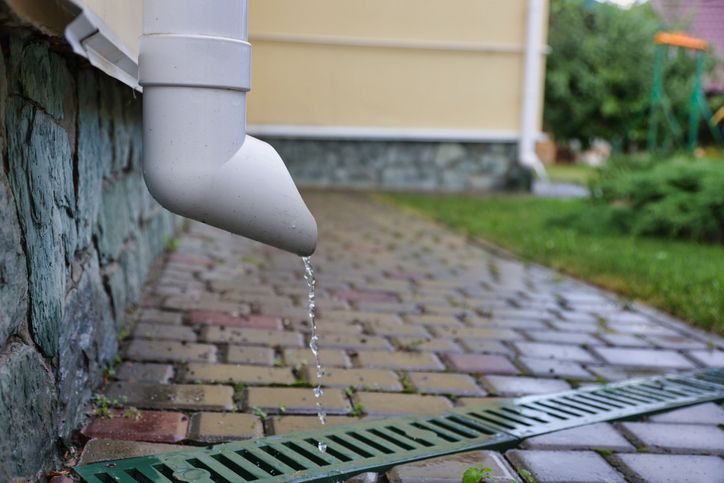
Before the addition, gutters and downspouts may have directed roof water away from the home. Once the roofline changes, those downspouts may no longer be in the right location. In some cases, an existing downspout may discharge water directly beside the new addition. In other cases, the new roof area adds more water volume than the old downspout layout can handle.
This creates a simple but serious problem: roof runoff gets concentrated too close to the foundation.
During heavy rain, a large section of the roof can shed a significant amount of water in a short period of time. If that water is not carried away from the home, it can saturate the soil around the foundation. Over time, this can contribute to basement seepage, erosion, and settlement around the addition.
Downspouts should be evaluated whenever a roofline changes. They may need to be extended, buried, rerouted, or connected to a drainage system that carries water to a safe discharge point. The goal is not just to move water away from the downspout. It is to move water far enough away that it does not flow back toward the home.
Mistake #3: Not Accounting for Increased Runoff
A home addition often creates more runoff than the property had before. A larger roof, a new patio, an expanded driveway, or an additional walkway can all increase the amount of water moving across the yard during a storm.
This is easy to underestimate. A small addition may not seem large enough to affect drainage, but even modest changes can matter when the existing property already has limited drainage capacity.
For example, a new garage may add both roof runoff and driveway runoff. A sunroom may add a new roof surface and alter how water moves across a previously open section of the yard. A kitchen addition may require new hardscaping that blocks water from following its original path.
If the existing drainage system was already close to its limit, the additional runoff may overwhelm it. Catch basins, French drains, sump systems, or yard drainage paths may no longer be able to manage the volume of water during heavier storms.
This is why drainage should be reviewed as part of the addition planning process, not after the first water problem appears. A property that drained acceptably before construction may need upgrades once new surfaces are added.
Mistake #4: Skipping Drainage Planning During Excavation
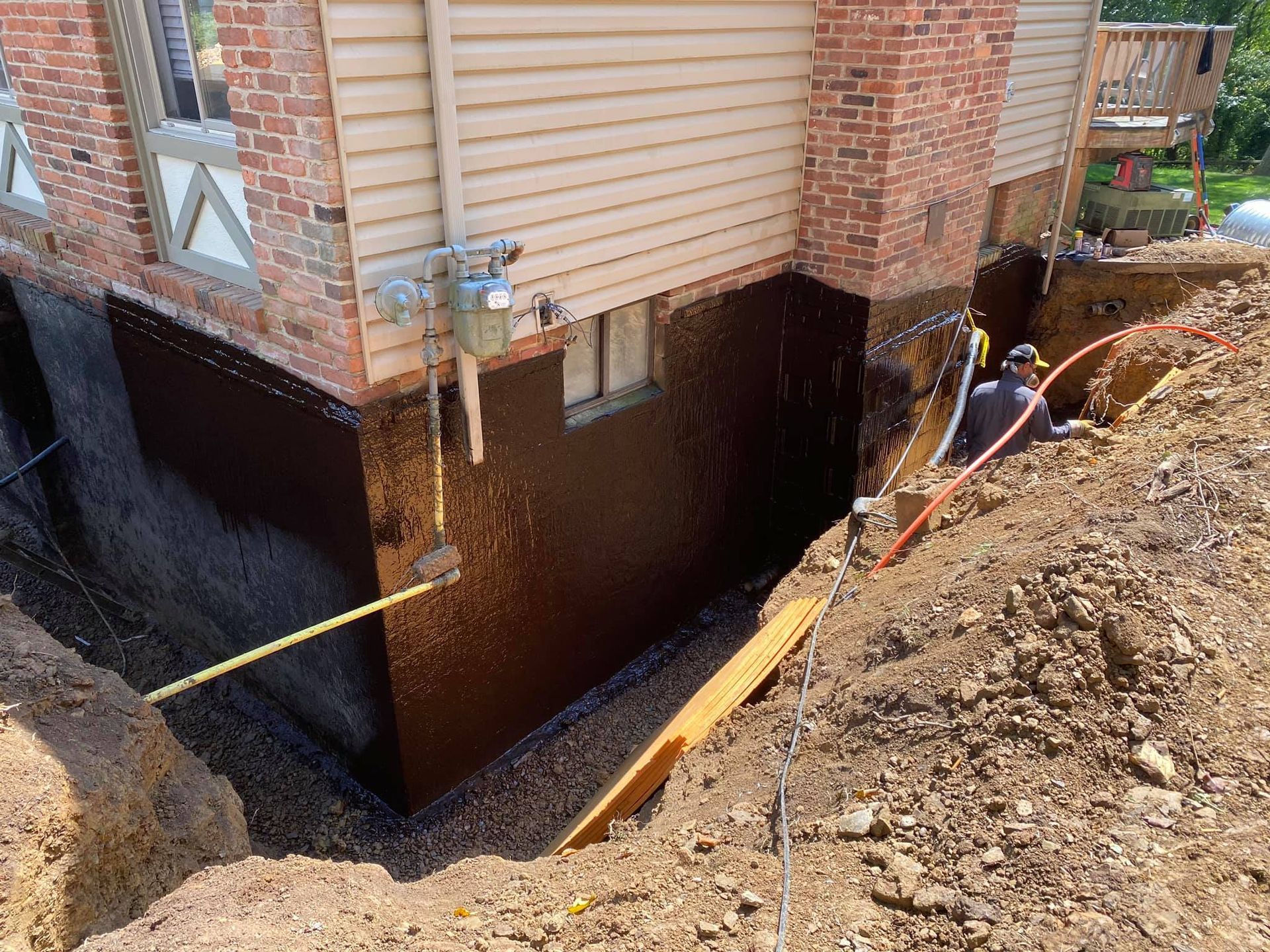
Excavation is a critical stage of a home addition, and it has a major impact on whether or not you will experience basement water problems.
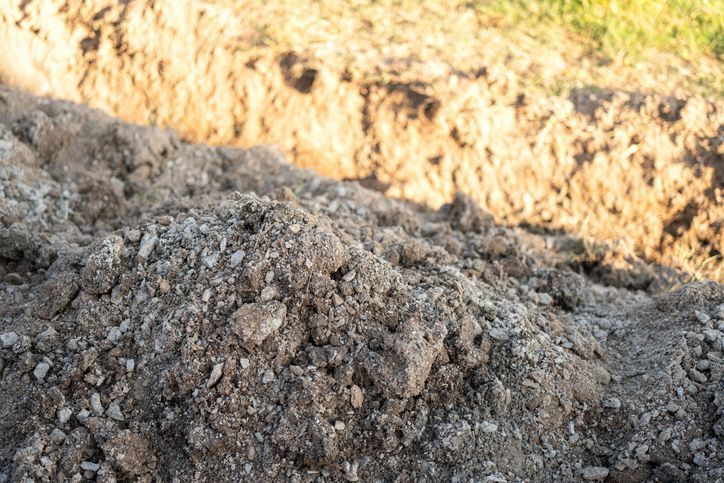
When soil is removed for a foundation, footer, utility line, or crawl space, the ground around the home is disrupted. If drainage is not considered during this stage, water can become trapped underground or directed toward vulnerable areas.
One common issue is backfilling without proper drainage preparation. If the soil placed around the new foundation does not drain well, water can collect against the wall. If the soil is compacted too heavily or unevenly, it may prevent water from moving naturally through the ground.
Excavation can also interrupt existing drainage paths below the surface. Water that once moved through a certain area of the yard may now encounter a foundation wall, compacted soil, or a new hard surface. If there is no planned path for that water, it may begin collecting around the addition.
This is where professional excavation and drainage planning work together. Excavation should not only prepare the site for construction. It should also support the long-term movement of water away from the home.
Mistake #5: Overlooking Existing Drainage Systems
Many properties already have some drainage system in place, even if the homeowner rarely thinks about it. This may include French drains, catch basins, downspout lines, sump discharge lines, exterior drains, swales, or underground piping.
During a home addition, these systems can be accidentally damaged, buried, disconnected, or blocked.
A contractor may uncover an old drain line during a professional excavation. A new foundation may be built near an existing drainage path. A patio or walkway may be installed over a drain that still needs access. Soil or construction debris may clog a catch basin or pipe. A downspout line may be cut and not properly reconnected.
When this happens, the drainage system may stop working as intended. The homeowner may not realize there is a problem until the next period of heavy rain.
Before construction begins, it is worth identifying any existing drainage features on the property. Even older systems should be evaluated before they are disturbed. In some cases, they can be protected or adjusted. In other cases, the addition may create an opportunity to upgrade the system so it works better with the property's new layout.
The Consequences of Poor Drainage After an Addition
Drainage problems after a home addition can affect both the new structure and the original home.
The most immediate concern is water intrusion. If runoff is directed toward the foundation, water may begin entering the basement, crawl space, or lower level. This can show up as damp walls, musty odors, wet floors, water stains, or active seepage during storms.
Poor drainage can also contribute to foundation stress. When the soil around the home stays saturated, it can exert pressure on foundation walls. Over time, this may contribute to cracking, shifting, or other structural concerns. Not every wet area indicates foundation damage, but persistent water near the foundation should not be ignored.
Moisture can also create indoor air quality concerns. Damp basements and crawl spaces can support mold growth, especially when ventilation is limited. This may affect comfort inside the home and create additional repair needs.
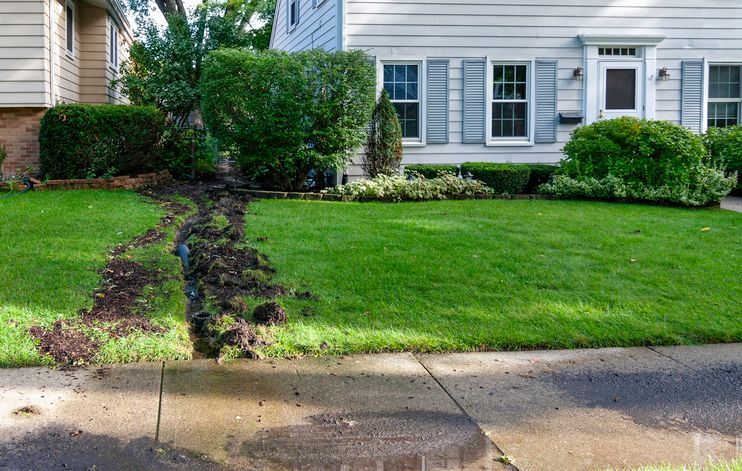
Outside the home, poor drainage can damage landscaping, wash out mulch, erode soil, create muddy areas, and shorten the lifespan of patios, walkways, and retaining walls. For property investors and flippers, these issues can also affect buyer confidence during inspections.
Many of these problems are more expensive to fix after construction is complete. Once patios, landscaping, concrete, and finished interior spaces are in place, drainage repairs may require more disruption than during the original project.
How Proper Planning Prevents Drainage Issues
The best time to address drainage is before construction begins.
A pre-construction drainage evaluation assesses how water currently moves across the property and how the proposed addition will alter that movement. This includes reviewing roof runoff, downspout locations, yard slope, soil conditions, existing drainage systems, and areas where water already collects.
From there, drainage planning can be built into the project. This may involve adjusting the final grade, rerouting downspouts, installing new drains, protecting existing systems, or creating a better discharge path for stormwater.
Coordination is especially helpful during excavation. When drainage professionals are involved early, they can identify potential problems before they are covered by soil, concrete, or finished construction. This can help homeowners avoid having to reopen areas later to correct water issues.
Good drainage planning does not have to complicate a home addition. In many cases, it means making practical decisions at the right time. The goal is to ensure the new structure works with the property’s water flow rather than unintentionally blocking or redirecting it toward the home.
Drainage Solutions to Consider During Home Additions
The right drainage solution depends on the property, the addition, and the source of the water. There is no single system that works for every home, but several options are commonly considered during renovation and construction projects.
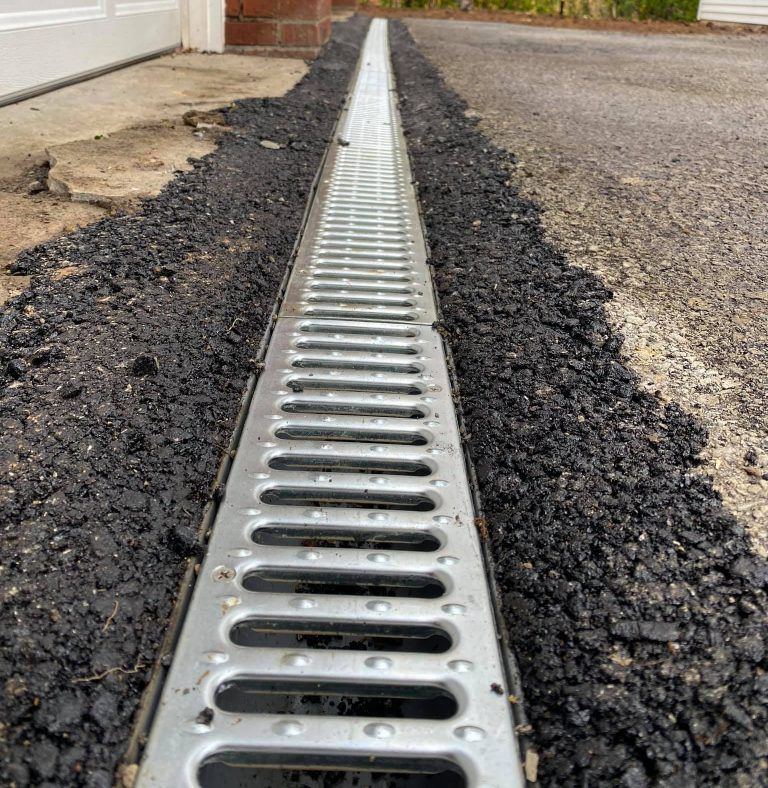
French drains can help manage subsurface water by collecting and redirecting water below the surface. They may be useful in areas where water collects in the soil or moves toward the foundation.
Catch basins can collect surface water from low spots in the yard, near patios, around driveways, or in areas where runoff naturally gathers. These are often connected to underground piping that carries water away from the problem area.
Downspout extensions and rerouting are often necessary when a roofline changes. This may involve above-ground extensions, buried lines, or a more comprehensive drainage design that safely manages roof runoff.
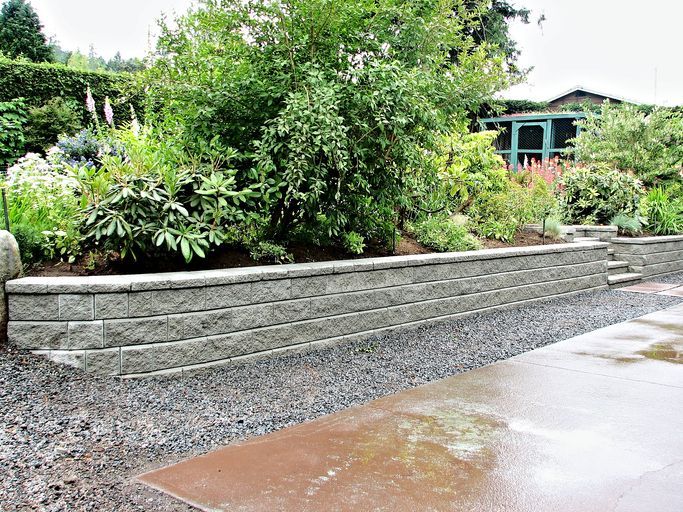
Regrading helps reshape the ground so water flows away from the home. This can be especially important around new foundations, patios, and walkways.
Sump pumps and waterproofing may also be needed in some cases, especially if the home already has a history of basement moisture or if the addition affects below-grade spaces.
The most effective approach is usually a combination of solutions designed for the specific property.
How Pittsburgh Drain Guys Can Help
Pittsburgh Drain Guys helps homeowners identify and correct drainage concerns before they become larger problems. For home additions, this can include evaluating the property before construction begins, reviewing how the new structure may affect water flow, and designing drainage improvements that support the project.
Their team can also work with contractors and builders during excavation to help protect existing drainage systems, plan new drainage paths, and reduce the risk of water collecting around the foundation.
For homeowners who are already dealing with drainage problems after a past addition, Pittsburgh Drain Guys can assess what changed and recommend practical solutions. This may include correcting grading, installing drains, rerouting downspouts, repairing damaged systems, or addressing water that is reaching the basement or foundation.
Home additions are a major investment. Drainage planning helps protect that investment by reducing the risk of water damage and erosion, and by avoiding unnecessary repairs.
Protect Your Home Before Construction Begins
If you are planning a home addition, drainage should be part of the conversation from the beginning. The design, layout, roofline, excavation, and finished grading can all affect how water moves around your home.
Taking time to evaluate drainage before construction starts can help prevent basement water issues, foundation concerns, yard flooding, and costly repairs later.
Before you build, talk with Pittsburgh Drain Guys about excavation and drainage solutions tailored to your property and project. A drainage evaluation can help you move forward with more confidence and protect your home long after the addition is complete.