The Most Common Drainage Mistakes Made During Home Additions
Planning a home addition is exciting. Whether you are adding a sunroom, expanding a kitchen, building out a family room, or creating extra space for a growing household, most of the attention usually goes to layout, design choices, permits, and construction timelines.
What often gets overlooked is drainage.
A home addition does more than change the size of your house. It also changes how water moves across your property. Once you alter the footprint of the home, disturb the soil, or add new roof surfaces, runoff patterns can shift in ways that are easy to miss during construction but hard to ignore later.
Without proper drainage planning, homeowners can end up dealing with basement moisture, standing water, soil erosion, and even foundation damage. The good news is that many of these issues are preventable. Understanding the most common drainage mistakes made during home additions can help you protect your investment before problems begin.
How Home Additions Affect Drainage
Any time you add onto a house, you change the conditions that used to manage water naturally.
An addition may cover part of the yard where rainwater once soaked into the ground. It may interrupt the path runoff used to take across the property. It can also increase the amount of hard surface around the home, leading to more water being shed rather than absorbed.
Excavation and construction also disturb soil that may have helped slow or redirect water in the past. When that soil is moved, compacted, or replaced, the way water behaves on the lot can change significantly.
Even a well-built addition can create drainage problems if no one takes a close look at grade, runoff direction, downspout discharge, and post-construction drainage planning. That is why drainage should be part of the project from the beginning, not something homeowners address only after they notice puddles or leaks.
The Most Common Drainage Mistakes Made During Home Additions
1. Ignoring the Existing Yard Slope
One of the most common drainage mistakes during home additions is failing to account for the yard's original slope.
The land around a home should generally direct water away from the structure. When an addition is placed on a lot without careful attention to grade, even a small change in elevation can push water back toward the house instead.
This can lead to water pooling near the new foundation, soft ground around the perimeter, and added pressure on basement or crawl space walls. Homeowners may not notice the problem right away, especially if it only appears during heavy rain, but over time, a poor slope can lead to serious moisture issues.
2. Failing to Regrade After Construction
Construction work almost always disturbs the surrounding ground. Soil gets moved, trenches are dug, equipment passes over the yard, and the finished surface may not drain properly once the work is done.
If the yard is not regraded after construction, low areas can remain around the addition. Those low spots collect water and hold it against the structure. In some cases, the ground may appear level but still be sloped enough to trap runoff near the home.
Final grading is one of the most important parts of drainage protection after an addition. Without it, even a high-quality build can leave the property vulnerable to long-term water problems.
3. Blocking Natural Drainage Paths
Water tends to follow the easiest route across a property. Before an addition is built, runoff may already have an established path across the yard. When that path gets blocked by new construction, water has to go somewhere else.
That new route may send water toward the basement, patio, sidewalk, neighboring property, or under the addition itself. In some cases, homeowners end up with water collecting in places that were dry for years before the project started.
This is why site drainage should be reviewed before construction begins. It is not enough to think about the footprint of the addition alone. You also have to think about how the new structure will affect the entire property.
4. Overlooking Gutter and Downspout Changes
A larger roofline means more rainwater coming off the house.
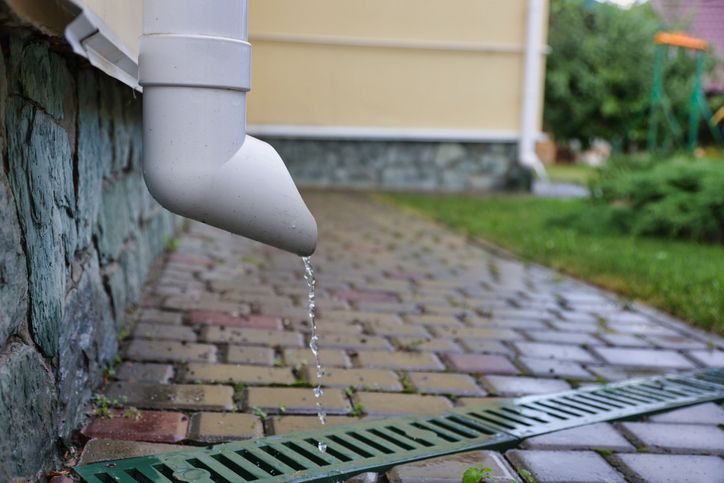
Many homeowners do not realize that existing gutters and downspouts may no longer be adequate once an addition is complete. If the gutter system is undersized or if the downspouts discharge too close to the home, the extra runoff can quickly overwhelm the area around the foundation.
This often shows up as overflowing gutters during storms, erosion below downspout outlets, or water pooling near the new addition. In homes with basements, it can also contribute to moisture problems in the interior.
If you are expanding the roofline, runoff management needs to be part of the plan. That includes evaluating gutter capacity, downspout placement, and whether buried discharge lines or drainage upgrades are needed.
5. Not Extending or Updating Existing Drainage Systems
Another common issue is assuming the existing drainage setup will still work after the addition is built.
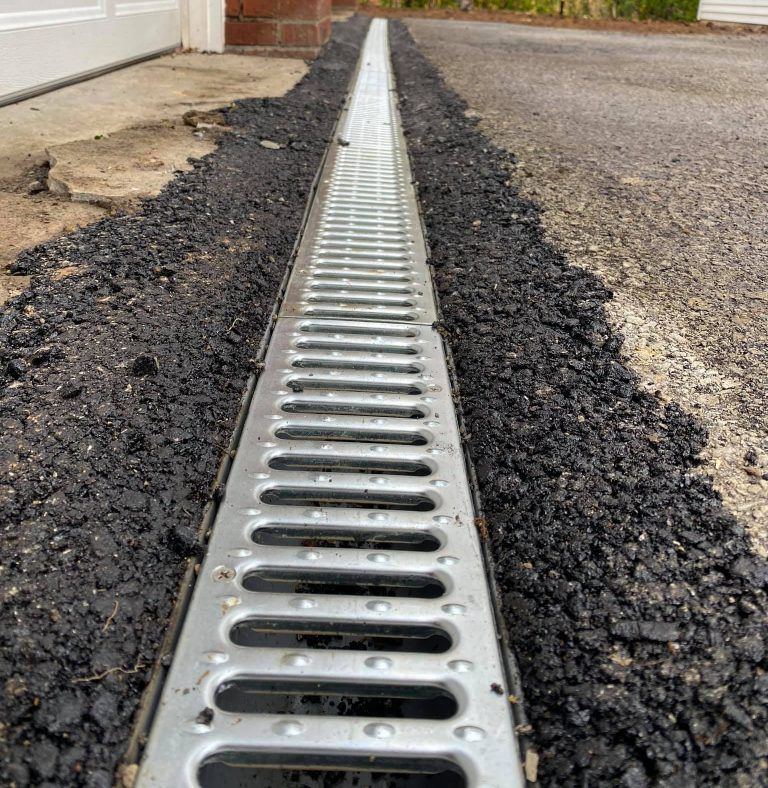
A property may already have buried downspout lines, French drains, surface drains, or swales that were designed for the original house layout. Once the footprint changes, those systems may no longer collect or redirect water effectively.
For example, a buried downspout line may no longer reach the right area, or a French drain may end up on the wrong side of the new water flow pattern. Leaving those systems unchanged can reduce their effectiveness and allow runoff to collect where it should not.
Home additions often require adjustments to the drainage infrastructure, as well as to the structure itself.
6. Compacting Soil the Wrong Way
Heavy equipment is a common part of construction, but it can cause drainage problems when soil becomes too compacted.
Compacted soil does not absorb water well. Instead of allowing rainfall to soak in gradually, it encourages runoff to stay near the surface. That can lead to puddling, muddy areas, and faster erosion around the addition.
In some cases, compaction is necessary for structural support, but it has to be handled correctly and balanced with the property's drainage needs. If the surrounding soil is left too dense and the site is not finished properly, the yard may struggle to recover long after construction is complete.
7. Using the Wrong Fill Dirt or Backfill Methods
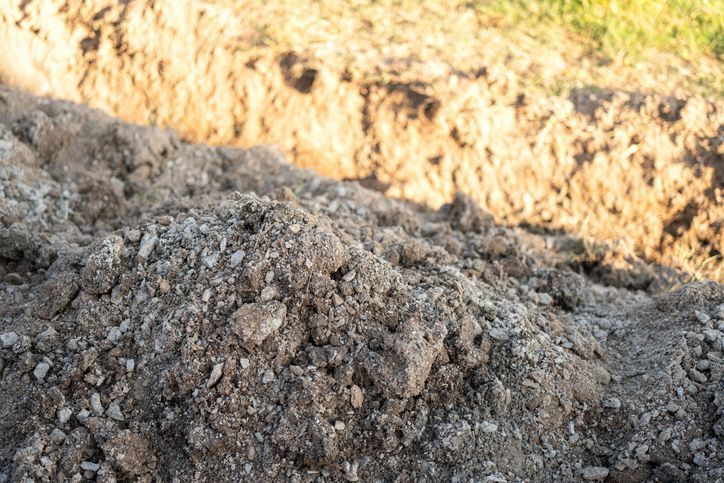
The area around a new addition needs proper backfill and grading support. If poor fill material is used, or if backfilling is rushed or done incorrectly, the soil around the new structure can settle unevenly over time.
When settling occurs, it often creates depressions next to the foundation. Those depressions collect water and direct it toward the structure instead of away from it.
This is one reason excavation work matters so much during addition projects. Proper material selection, placement, and compaction all affect how well the site handles water later on. This also ties into the value of professional site work and how professional excavation can prevent property damage.
8. Waiting Until Water Problems Appear
Many homeowners assume that if they do not see obvious issues right after construction, everything must be fine.
Unfortunately, drainage problems often take time to show up. Water may only collect during certain storms. Soil may need time to settle before low spots become visible. Basement moisture may start as a minor issue before becoming a recurring problem.
Waiting until you see standing water, foundation cracks, or interior leaks can make repairs more complicated and more expensive. It is much better to evaluate drainage during planning, during construction, and again after the project is complete.
Warning Signs of Drainage Problems After an Addition
If your addition is already finished, several signs may point to a drainage problem:
- Water is pooling near the addition after rain
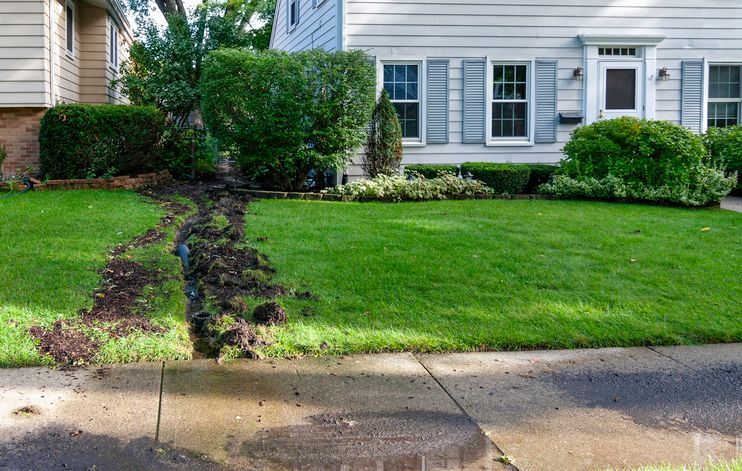
- Muddy or soggy areas that stay wet for too long
- Soil erosion around the foundation or edges of the yard
- Downspouts that overflow or discharge too close to the home
- Water collects near walkways, patios, or entry points
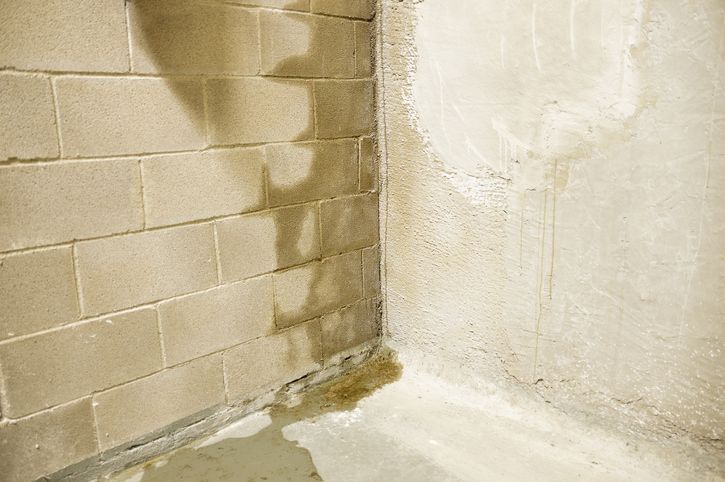
- Basement dampness, musty smells, or visible leaks
- Cracks are forming near the foundation
- Areas where the ground appears to be settling next to the addition
If you notice basement moisture after an addition, poor exterior drainage may be a contributing factor. Homeowners dealing with those issues may also want to review these common reasons for basement water problems.
How to Prevent Drainage Problems During a Home Addition
The best way to avoid costly drainage repairs is to plan for water management before construction starts.
Begin by evaluating the yard's existing grade and identifying how water currently moves across the property. This helps reveal where runoff may be redirected once the addition is built.
Next, plan for the new roofline. More roof area means more runoff, so gutters and downspouts should be reviewed early. Water should be collected and discharged safely away from the house.
It is also important to reassess any existing drainage systems. French drains, catch basins, swales, and buried downspout lines may all need to be extended, relocated, or upgraded to fit the new layout.
After construction, the site should be properly regraded. This step is essential. The final yard slope should support drainage away from the addition and eliminate low spots where water can collect.
In some cases, extra drainage solutions may be needed, such as:
- French drains
- Catch basins
- Buried downspout extensions
- Surface drains
- Targeted grading corrections
Most importantly, work with professionals who understand drainage and excavation, not just the structure itself. A home addition can look great on the surface while still creating hidden water issues below and around it.
Protect Your Property with Pittsburgh Drain Guys
A home addition should make your property more functional and more valuable. It should not create new water problems that lead to repairs, stress, and damage.
The mistake many homeowners make is thinking of drainage as a separate issue from construction. In reality, the two are closely connected. When you change the shape of the home, you change how water behaves around it.
Planning can help you avoid basement leaks, yard drainage problems, erosion, and foundation concerns. If you are building an addition or already noticing standing water or moisture issues afterward, Pittsburgh Drain Guys can help identify the cause and recommend the right solution.
Planning a home addition? Make sure drainage is part of the project from day one. Seeing pooling water or basement moisture after construction?
Contact Pittsburgh Drain Guys before the problem gets worse.