Winter Yard Flooding in Pittsburgh: When Do Water Retention Systems Help?
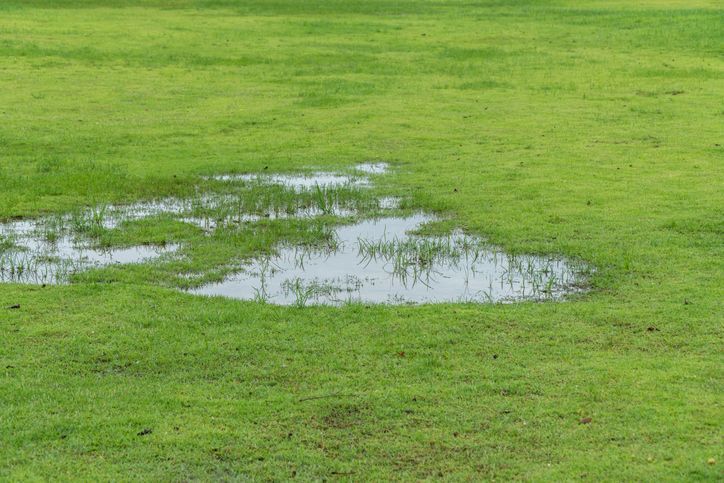
After a Pittsburgh snowfall, rising temperatures can leave homeowners dealing with unexpected standing water. Add rain during a thaw, and water from roofs, driveways, and surrounding yards may begin collecting in places that normally stay dry.
For some properties, the problem is poor drainage. For others, water arrives faster than the existing drainage system can manage it. Understanding that difference matters because not every winter flooding problem needs the same solution.
Water retention systems can reduce winter flood risk by storing runoff, letting it soak into suitable soil, or releasing it gradually through an appropriate outlet. However, their effectiveness depends on the property's grading, soil conditions, drainage routes, and how the system performs during freezing weather.
Before deciding whether water retention is the right approach, it helps to understand where winter runoff originates and what happens when it reaches your property.
Why Some Pittsburgh Yards Flood During Winter Thaws
Winter yard flooding often results from melting snow, rainfall, and ground conditions that limit how quickly water drains.
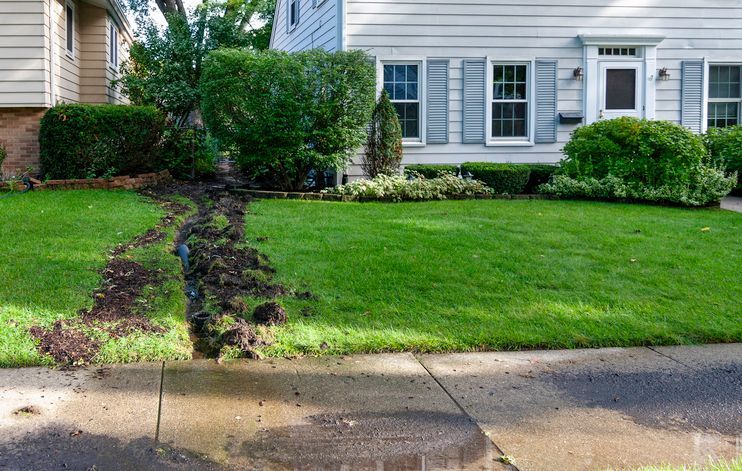
During a warmer stretch, snow may melt on rooftops, driveways, and sunny sections of a lawn while shaded ground remains frozen. If the soil cannot absorb water quickly enough, that meltwater travels across the surface instead.
Rain falling on existing snow can make the situation worse. A property may suddenly need to handle both rainfall and water released from the melting snowpack.
The property's shape also matters. In Pittsburgh, where sloped lots and elevation changes are common, runoff can move downhill and collect in lower parts of a yard. Homes that receive water from surrounding higher ground may experience problems even when their own snow accumulation is relatively modest.
Water naturally follows the available drainage paths. If those paths lead toward a foundation, basement entrance, driveway, or poorly drained section of lawn, the same flooding pattern can return during future thaws.
How Do Water Retention Systems Reduce Winter Flood Risk?
Water retention systems manage runoff by giving excess water a planned place to collect instead of letting it accumulate in vulnerable areas.
Instead of letting water flow directly into a low spot or concentrate beside a foundation, a properly designed system can collect and store some of that runoff. Depending on the design, the stored water may gradually infiltrate suitable surrounding soil or move toward an appropriate discharge point.
The key distinction is that storing water and moving water are not the same.
For example, a catch basin collects surface runoff. A drainage pipe carries water toward an outlet. A storage component provides capacity to manage incoming runoff before it is absorbed, reused, or released. These components may work together, but each serves a different purpose.
Pittsburgh Drain Guys offers water retention systems, including underground storage and dry well solutions designed around property conditions. When selected and installed properly, these systems can help manage periods of increased runoff and reduce repeated pooling in problem areas. They cannot eliminate flood risk, and you must consider their winter performance during planning.
When Does Adding Water Storage Make Sense?
Consider water retention when a property repeatedly receives more runoff than its existing drainage can handle.
For example, a backyard may collect water from an uphill lawn, a driveway, and multiple downspouts. During ordinary rainfall, the yard might drain reasonably well. However, when snowmelt and rain occur together, the combined runoff may overwhelm the available drainage paths. In that situation, temporary storage could help manage how much water moves through the property at one time.
A water retention system may also be considered when space is limited, or there is no straightforward way to route collected runoff to a suitable outlet. However, storage helps only when the system has sufficient capacity and a workable way to manage the water afterward.
A dry well, for instance, relies on the surrounding soil's ability to absorb water. If the soil is frozen, saturated, or poorly suited to infiltration, the system may not perform as expected during a winter thaw. That is why installing a water retention system should follow an assessment of runoff sources, soil conditions, available space, and discharge options.
When Is a Drainage Solution Better Than Water Retention?
Not every wet yard needs additional water storage. Sometimes a better approach is to fix where runoff enters the property or how it moves across the ground.
When Downspouts Send Water Toward the Foundation
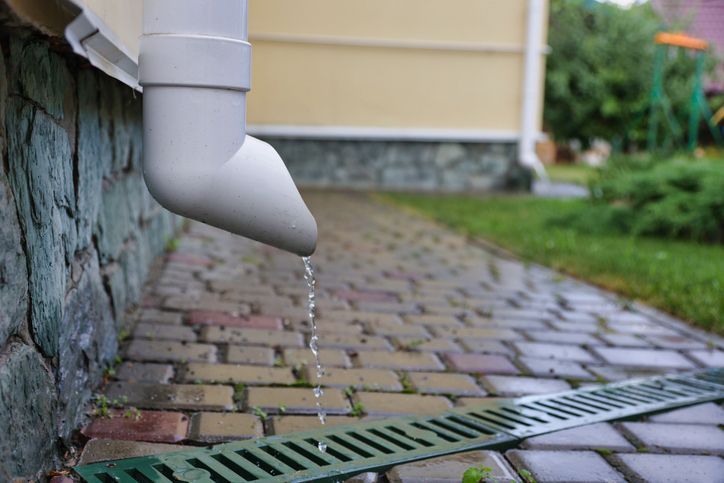
Roof runoff can concentrate a significant amount of water in a small area. If a downspout empties beside the house, melting snow and winter rainfall may repeatedly saturate the same section of soil. In this case, improving downspout drainage may be more appropriate than adding water storage. The objective is to route roof runoff to a suitable destination without directing it toward another vulnerable area.
When Water Collects in a Low Spot
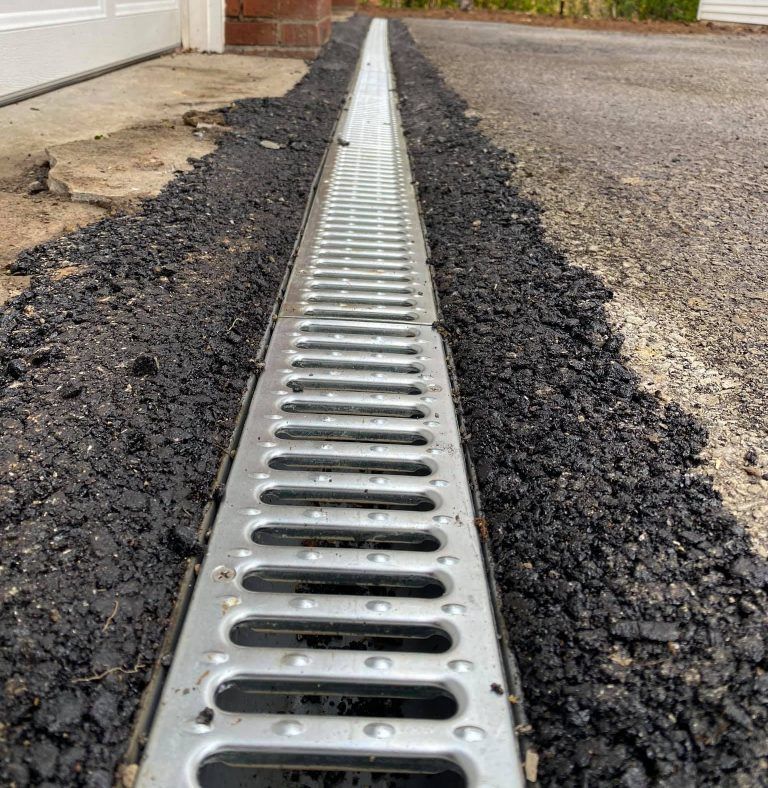
A depression in the yard may hold water because the surrounding grade directs runoff into it. Depending on the property, grading adjustments, a catch basin, or a suitable surface drainage system may help collect and move that water. Installing storage without correcting the water's route may not address the underlying problem.
When Saturated Soil Is the Main Concern
Some properties stay wet even when there is no obvious surface runoff. Depending on the moisture source and subsurface conditions, you may consider a French drain or another drainage approach.
These systems serve a different purpose from water retention. They may help intercept and move water through an appropriate drainage route rather than simply providing additional storage capacity.
The right solution depends on identifying whether the main concern is excessive runoff, poor surface grading, subsurface moisture, or a combination of these conditions.
What Can Limit a Water Retention System's Performance in Winter?
Even a well-designed water management system can face additional challenges during Pittsburgh winters.
Frozen ground can limit infiltration, especially when a system relies on water soaking into the surrounding soil. Saturated soil may create similar limitations during extended periods of snowmelt and rainfall.
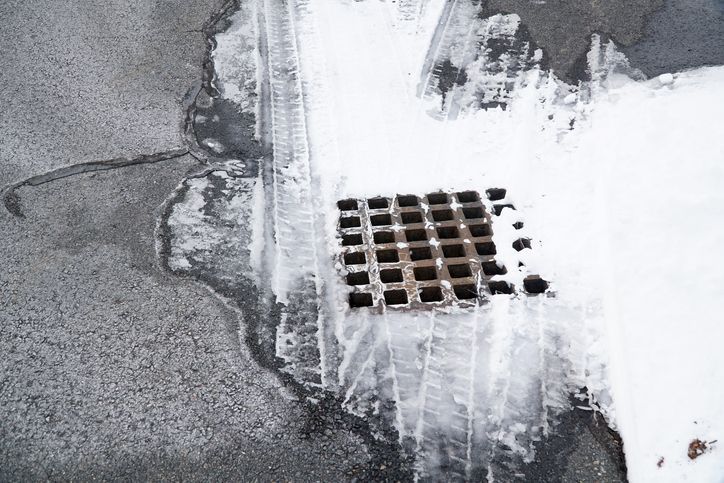
Snow and ice can also obstruct collection points or outlets. If runoff cannot enter or leave the system as intended, water may collect above ground despite drainage infrastructure.
Existing drainage lines may also have problems such as debris buildup, damage, or inadequate slope.
System capacity matters, too. Water retention systems are designed around expected conditions and available storage. An unusually intense rain-on-snow event can exceed that capacity.
For these reasons, a drainage plan should account for winter conditions rather than assuming a system that works during warmer weather will always perform the same way during a freeze-thaw cycle.
It is also important to determine where water will ultimately go. An appropriate discharge plan should avoid creating runoff problems for neighboring properties, unstable slopes, or other vulnerable areas.
Signs Your Property May Need Better Winter Water Management
An occasional puddle during snowmelt does not necessarily indicate a serious drainage problem. However, repeated patterns can show that runoff isn't being managed effectively.
Watch for:
- Standing water that repeatedly returns to the same section of your yard during winter thaws.
- Runoff moving toward your foundation, basement stairs, or window wells.
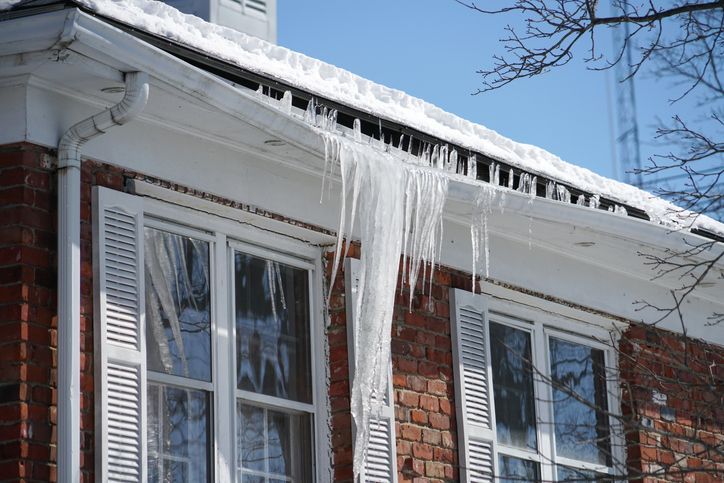
- Ice forming in the same location on walkways, driveways, or other regularly used surfaces.
- Overflow or pooling near downspouts and drainage inlets, particularly when snow begins melting.
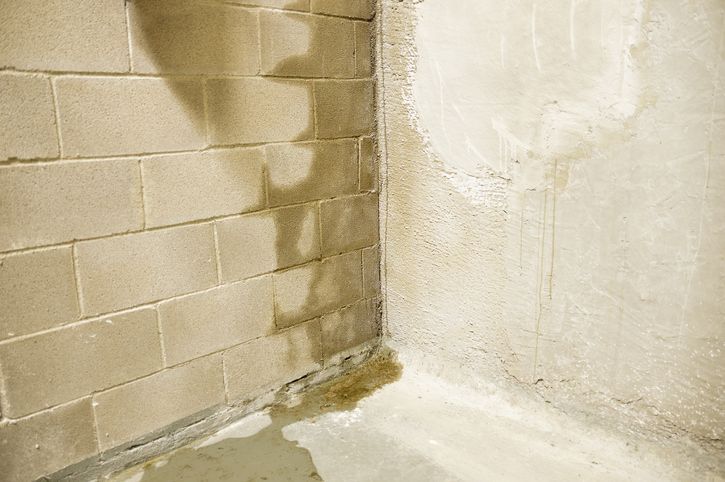
- Basement moisture that appears during snowmelt, including damp walls, water stains, or recurring musty odors.
These signs don't automatically mean you need a retention system. They indicate that the source and movement of water deserve closer attention.
Basement moisture, in particular, may have several contributing causes. Exterior surface drainage is one possibility, but plumbing leaks, groundwater conditions, and building-related issues may also need evaluation.
If you notice recurring moisture around your home, our guide to hidden drainage problems around your foundation explains additional warning signs that can appear during snowmelt.
What Should a Professional Drainage Evaluation Consider?
Choosing the right system starts with understanding the property, not selecting a drainage product first.
A professional evaluation should consider where runoff originates, the direction it travels, and where it collects. Roof drainage, driveway slopes, surrounding elevations, and runoff from neighboring higher ground may all contribute.
Soil conditions and available discharge locations matter just as much. If the property has an existing drainage system, its condition and performance should also be considered. A blocked outlet or poorly routed pipe may need attention before you consider additional storage.
The evaluation should ultimately answer three practical questions:
Where is the excess water coming from? Identifying the sources helps distinguish roof runoff, surface water, and subsurface moisture.
Why is the water accumulating? Poor grading, limited infiltration, insufficient drainage capacity, or an obstructed outlet may contribute.
What is the most appropriate way to manage it? Depending on the property, the answer may involve grading, downspout routing, collection drains, water retention, or a combination of measures. This approach helps avoid installing a system that addresses visible pooling without correcting the conditions causing it.
How to Prepare Your Yard for the Next Winter Thaw
Homeowners can often learn a lot about their drainage conditions by watching what happens as snow begins to melt.
Walk around accessible areas of the property and notice where water gathers first. Look at whether runoff moves toward the house or follows a route away from vulnerable areas.
When safe, check visible drainage openings for leaves or other debris. Avoid placing shoveled snow directly against the foundation or over drainage openings when you can move it elsewhere.
Pay attention to downspouts as well. Water should not repeatedly discharge into an area where it collects beside the home.
Taking photos during a thaw can also help. Conditions may look completely different once the yard dries, making it harder to explain where runoff was traveling. These observations provide a helpful starting point when discussing drainage concerns with a professional.
Find the Right Solution for Winter Runoff on Your Property
Winter flooding does not always mean your property needs a water retention system. The right approach depends on how much runoff reaches your property, where it goes, and whether your existing drainage can handle it.
For some Pittsburgh homes, water retention may provide valuable storage during periods of increased runoff. For others, correcting the grading, improving downspout drainage, or installing a properly designed collection system may be more appropriate. The goal is to manage water before it repeatedly collects near the foundation, creates icy surfaces, or leaves portions of the yard unusable.
Pittsburgh Drain Guys helps homeowners evaluate drainage concerns and identify solutions suited to their properties.
If standing water or basement moisture returns when snow melts, contact Pittsburgh Drain Guys to request an evaluation and discuss the best way to manage winter runoff around your home.