Maximizing Your Yard's Aesthetics with Strategic Drainage Solutions
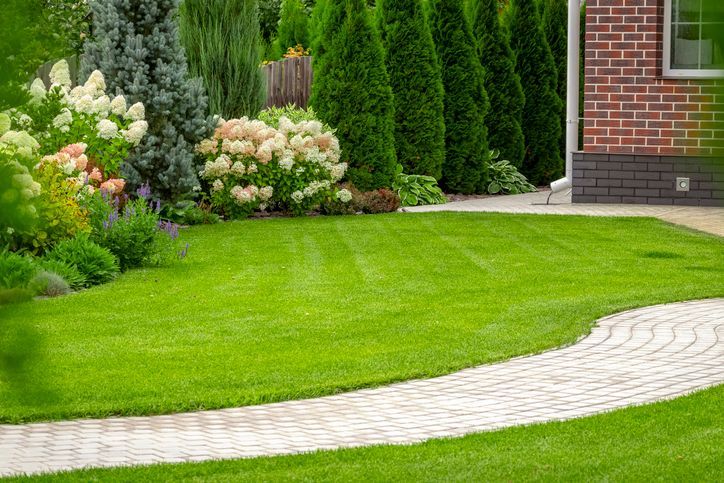
A lush, well-kept yard is the pride of any homeowner, but as any Pittsburgh local would know, the city's unique topography and weather patterns present a significant challenge to maintaining the beauty of outdoor spaces. The hilly terrain combined with frequent heavy rains can often lead to serious drainage issues, jeopardizing the integrity of your landscape and potentially causing long-term structural damage to your home. 


However, integrating these obstacles into your yard's design can result in breathtaking aesthetics and provide functional benefits. In this comprehensive guide, we'll explore the strategic use of drainage solutions to enhance not only the visual appeal but also the usability and resilience of your yard in the ever-changing Pittsburgh climate.


Understanding Pittsburgh's Landscape and Drainage Needs


The City of Pittsburgh is famously known as the "City of Bridges," boasting a topography that's as rich in history as it is diverse in its landscapes. Nestled within the Allegheny Plateau, Pittsburgh is characterized by its rolling hills, picturesque valleys, and, of course, its three iconic rivers. 


The local climate brings significant rainfall, particularly during the summer months, which can compound the natural drainage challenges posed by Pittsburgh's topography, making effective solutions vital for homeowners.


The link between the land, the water, and the built environment is integral to the overall aesthetics and functionality of suburban spaces. It's this interplay that often gets disrupted, leading to unsightly pools of water, eroded patches of soil, and potential damage to your house's foundation.


Common Drainage Problems in Pittsburgh Yards


Water Pooling and Runoff


Pittsburgh's sloping lawns and basins are susceptible to water pooling and runoff during storms, disrupting the intended flow of your landscape. This not only affects the aesthetic appeal but can lead to standing water issues that are unsanitary and breeding grounds for pests. Moreover, pooling water can seep into the walls and foundation of your home, causing structural damage over time.


Soil Erosion


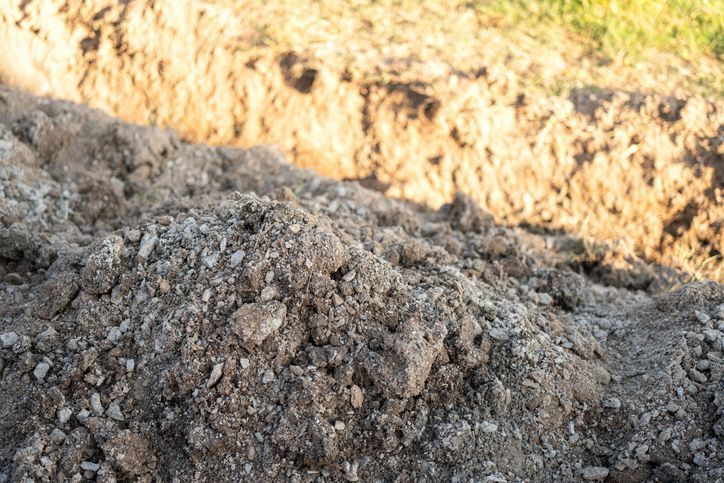
The heavy rains exposed by Pittsburgh's climate can lead to soil erosion, carrying precious topsoil away and leaving behind patches of barren land. Erosion also creates uneven and potentially dangerous terrain that is not only unsightly but can also limit the use of your yard space.


This not only ruins the look of your garden but also compromises the health of your plants and exposes your landscape to further water damage. 


Basement Water Infiltration


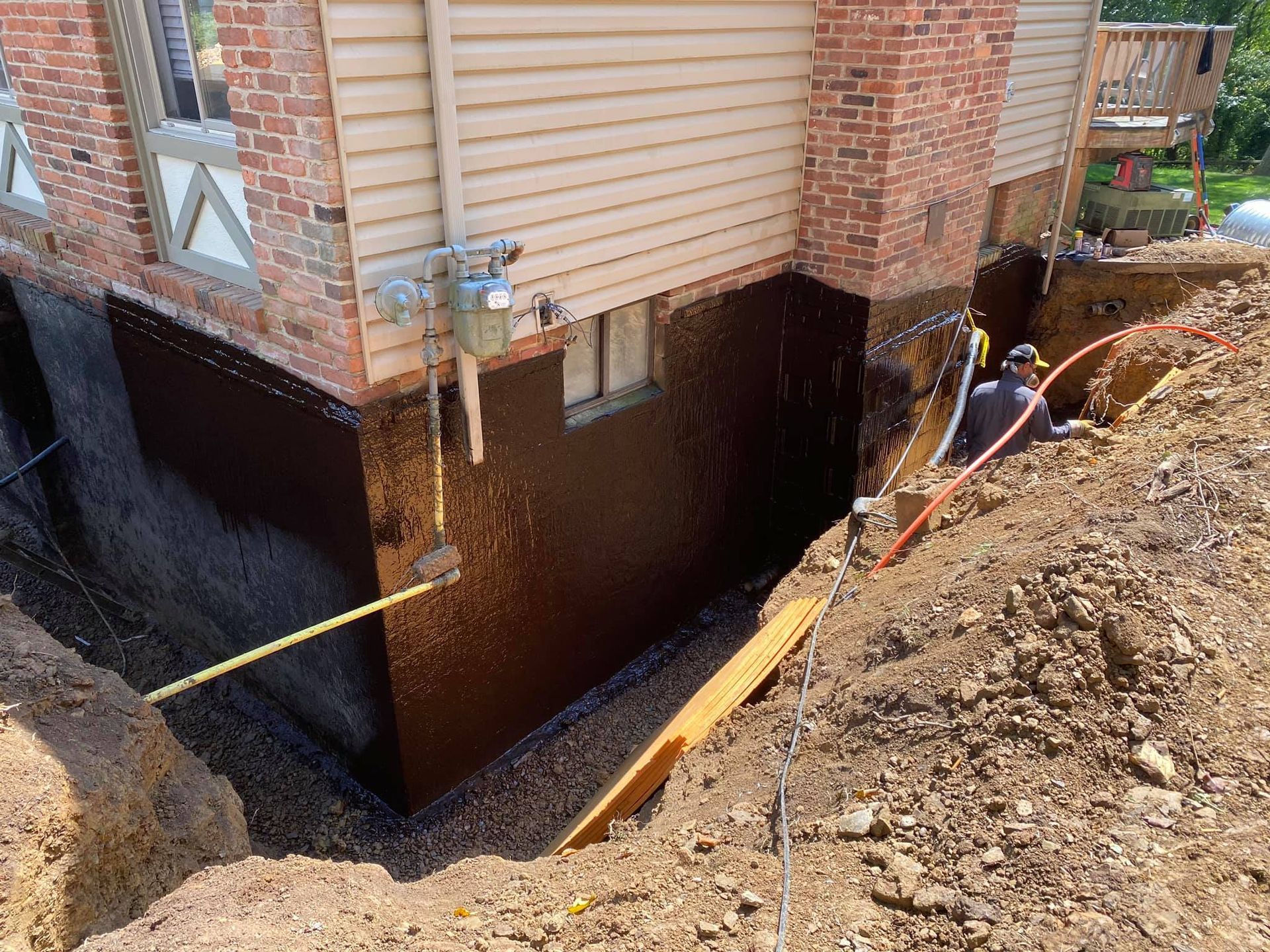
Poor yard drainage often spells trouble for your basement. Water tends to follow the path of least resistance—unfortunately, this path can sometimes lead straight into your home. This infiltration poses a risk of flooding and water damage and can create an environment where mold and mildew thrive.


Strategic Drainage Solutions for Enhancing Yard Aesthetics


French Drains


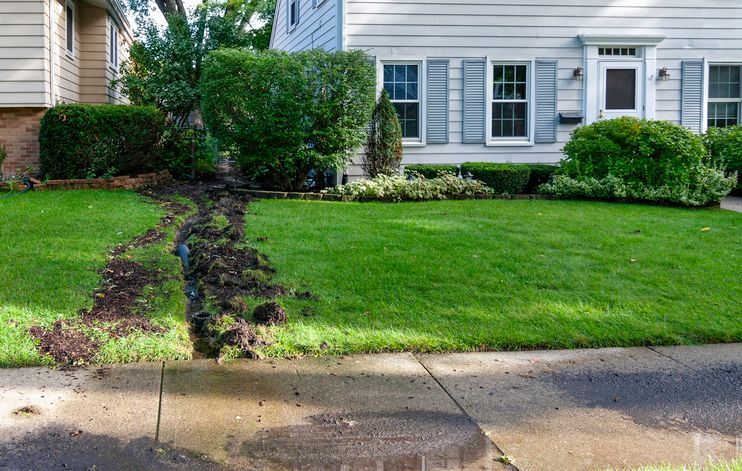
A strategic system of perforated pipes and gravel or rock trenches, French drains are an underground solution to redirect water flow. These systems work by capturing and carrying excess water away from your yard, preventing pooling and directing it towards desired areas.


French drains can be strategically implemented to solve multiple drainage issues in yards with varying topography. They are an excellent solution for controlling surface runoff and soil erosion, ensuring the integrity of your landscape while enhancing its aesthetics.


Artfully concealed, these drains not only prevent erosion but can also be designed to enhance your yard's aesthetics, providing an invisible yet powerful means of maintaining your land's integrity.


Rain Gardens


Rain gardens are specialized plant beds designed to absorb and filter runoff water while adding a vibrant splash of color to your property. These gardens can be a focal point of sustainable landscape design, capturing the essence of the Pittsburgh ethos by conserving and cherishing the region's natural resources. 


Their design and positioning are crucial in managing excess water, preventing pooling, and reducing soil erosion. Rain gardens also provide essential habitats for native plants and wildlife, creating a harmonious balance between nature and your yard's aesthetics.


Dry Creeks and Swales


Dry creeks and swales are surface solutions that can sculpturally direct water flow across your yard. When not in use, they still add a dynamic element to your landscape design, resembling natural waterways and introducing a textural contrast that can be both playful and serene. 


More than just functional solutions, dry creeks, and swales also bring a touch of natural beauty to your yard, creating an eye-catching focal point that can enhance the overall aesthetic appeal of your property.


Proper Gutter and Downspout Management


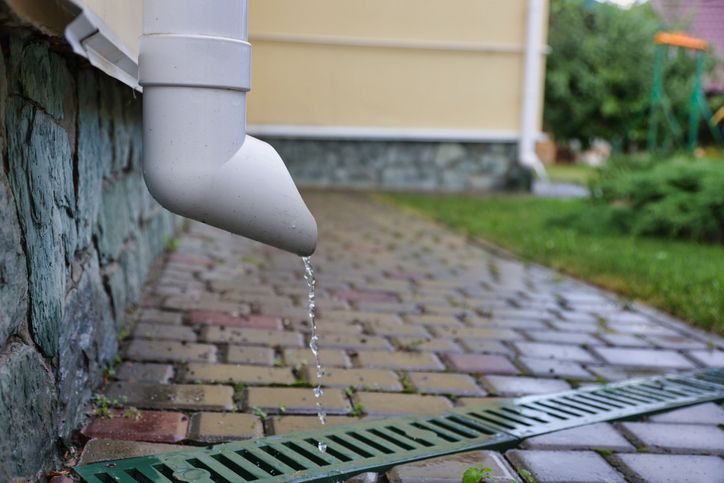
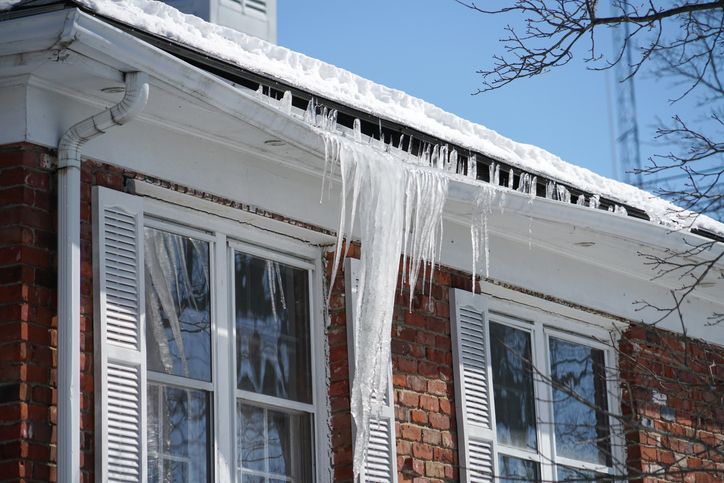
Perhaps the most overlooked component of yard drainage, gutters, and downspouts are your primary line of defense against rainwater. With the right design and maintenance, they can channel water away from the foundation of your home and towards designated drainage areas, all without compromising the look of your residence. 


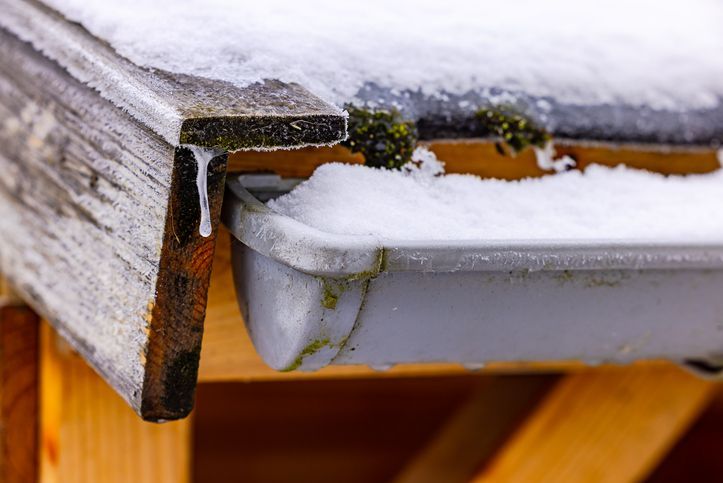
Keeping gutters and downspouts clear of debris, regularly inspecting for damage, and ensuring proper positioning are all essential steps in maintaining a healthy yard drainage system that not only controls water flow but also adds to the overall appeal of your home.


Innovative Materials and Designs


The typical image of drainage solutions often brings to mind utilitarian structures meant to mitigate damage, but in the hands of experienced professionals, these elements can be transformed into artistic features that blend seamlessly with your yard's character.


Subtle, Decorative Grates


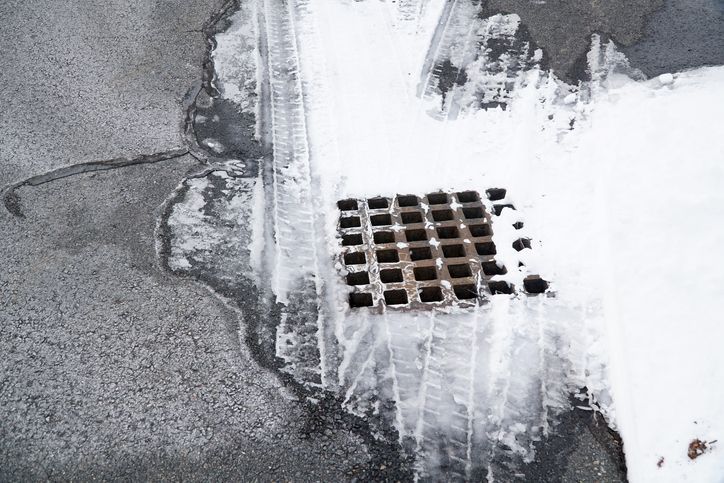
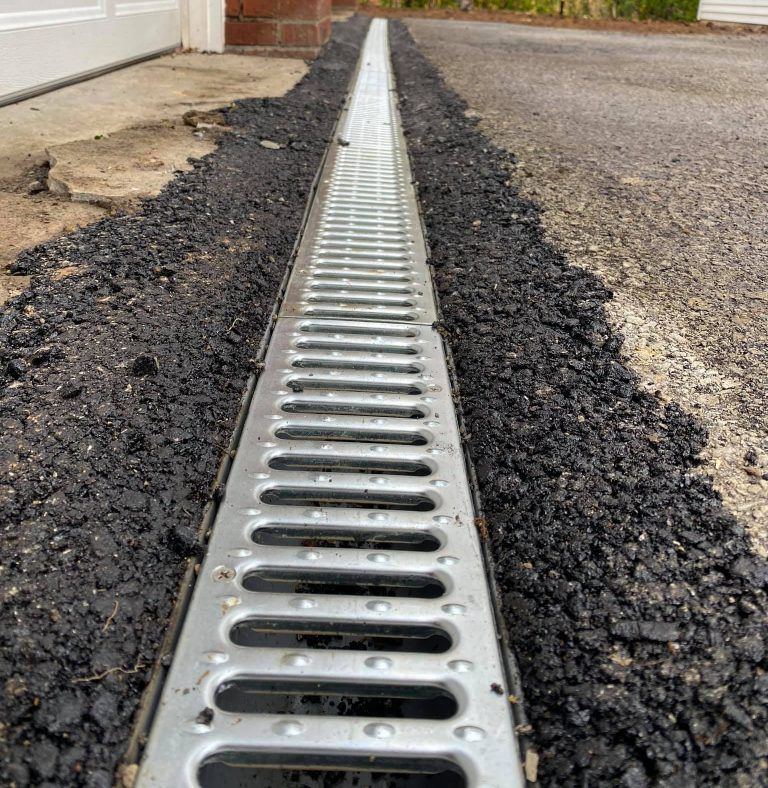
Instead of the conventional iron or steel grates, consider decorative alternatives that come in various shapes and colors that could complement your landscaping. These grates can be integrated into pathways or functional areas while still allowing water to flow through.


Natural Stone “Streambeds”


Choose natural stones and boulders for dry creek and swale designs to provide a rustic, textured look that mimics the appearance of a natural stream. Creative placement and size variation can add interest and create a flow that looks both functional and visually appealing.


Rainwater Harvesting Systems


Opt for above-ground rain barrels or underground cisterns made from attractive, durable materials that can store the water runoff for later use or slow the water's release into the environment. These systems can be disguised as garden features or incorporated into the overall design theme.


How Pittsburgh Drain Guys Can Help


Professional Consultation and Design


At Pittsburgh Drain Guys, we don't just install drainage systems; we design them to be an integral part of your landscape. Our experts will work hand-in-hand with you to ensure that the drainage solution we create is not only effective but also enhances the aesthetic of your yard.


Expert Installation


Our installation process is efficient and minimally invasive so that you can enjoy your transformed yard without prolonged construction. We use the latest techniques and materials to ensure the longevity and performance of your drainage system.


Ongoing Maintenance


Though our systems are built to last, we recognize the importance of regular upkeep to keep your yard looking its best. Our team can assist with maintenance, ensuring your drainage system remains both functional and adds to the beauty of your outdoor space.


Create A Beautiful, Functional Outdoor Space with Pittsburgh Drain Guys


In the realm of outdoor home improvement, drainage solutions play a critical role that is often underestimated. By seamlessly integrating aesthetic considerations with practical drainage enhancements, you can transform your yard into a space that not only withstands the test of time but also encapsulates the true essence of your home.


Pittsburgh homeowners need solutions that respect the historical and environmental significance of the land they occupy. With Pittsburgh Drain Guys, you can create a yard that not only protects your investment by preventing water damage but also reflects the harmony between urban living and the natural world that Pittsburgh is known for.


Don't settle for a functional but unrefined yard. Our team at Pittsburgh Drain Guys is ready to work with you to design a drainage solution that meets your specific aesthetic and practical needs. Contact us today for a consultation and take the first step toward a yard that is as picturesque as it is resilient.
August 27, 2026
Most homeowners associate drainage problems with heavy rain, standing water, soggy lawns, or a wet basement. Those are some of the most noticeable signs that water is not moving properly around a property. However, drainage issues do not necessarily disappear when the weather turns dry. Extended periods without rain can reveal different clues about how soil and water behave around your home. Cracking soil, changes around foundation walls, and compacted areas of the yard can provide information about conditions that may become more noticeable when rain returns. Understanding these warning signs can help Pittsburgh homeowners identify potential drainage concerns before the next stretch of wet weather. Why Dry Weather Can Reveal Drainage Problems A drainage system has to manage changing conditions throughout the year. During wet periods, the challenge is moving excess water away from areas where it can collect. During dry periods, changes in soil moisture can make existing conditions easier to see. Soil can contract as it loses moisture. Areas that have experienced repeated saturation and drying may also settle or compact differently across the property. These changes do not automatically mean there is a serious drainage problem, but they can provide useful clues when considered alongside what happens during rainfall. For example, a low area that repeatedly holds water during storms may look unusually hard, cracked, or compacted after an extended dry period. Paying attention to both wet-weather and dry-weather conditions gives you a better picture of how water moves across your property. Cracking Soil Can Tell You Something About Water Movement Visible cracks in dry soil are one of the easiest changes for homeowners to notice. Soil naturally changes as moisture levels rise and fall, and drying can cause some soils to shrink. The important question is not simply whether you see a crack. Look at where changes are occurring and whether those areas correspond with previous drainage problems. Pay particular attention to soil near: Foundation walls Downspout discharge locations Low areas of the yard Patios and walkways Retaining walls Areas where water regularly pools after storms If the same location becomes saturated after rainfall and extremely dry or cracked during periods without rain, the property may be experiencing significant swings in soil moisture. Addressing the way water reaches and leaves that area can be part of creating more consistent drainage conditions. Watch for Changes Around Foundation Walls Your foundation is another important area to observe during dry weather. Changes in soil conditions around a foundation can occur as moisture levels fluctuate. Homeowners may also notice cracks or changes in existing cracks and wonder whether drainage is contributing to the problem. A wall crack by itself does not tell you the cause. There are different reasons cracks can develop, which is why the location, size, direction, and surrounding property conditions matter. Pittsburgh Drain Guys provides additional information about what causes wall cracks and the factors property owners should consider when they notice changes. From a drainage perspective, it is particularly useful to look at what is happening outside the affected area. Does water collect against that portion of the foundation when it rains? Does a downspout discharge nearby? Does the ground slope toward the house instead of away from it? Those observations can help determine whether water management should be part of the larger conversation. Compacted Soil Can Affect Where Water Goes Dry weather can also make compacted areas easier to identify. Compacted soil has less open space for water to move through. When rain eventually returns, water may have difficulty soaking into those areas and instead travel across the surface. That runoff has to go somewhere. Depending on the property's grading, it could move toward a low section of the yard, collect alongside a patio, travel toward a neighboring property, or end up near the foundation. This is one reason drainage problems cannot always be solved by looking only at the place where water eventually appears. The source and path of the runoff also need to be considered. Dry Conditions Can Help Reveal Low Spots and Grading Issues Standing water makes a drainage problem obvious. When everything is dry, homeowners have an opportunity to look more closely at the shape of the property itself. Walk around the home and look at the grade. Ideally, surface water should have a clear path that does not direct it toward the foundation. Look for depressions, settled areas, or sections where the ground appears to slope toward the house. Also consider changes that have been made to the property over time. Patios, additions, landscaping, walkways, retaining walls, and other improvements can alter the way runoff travels. A problem may not become obvious until a significant rainfall exposes it. Recognizing these conditions during dry weather provides an opportunity to investigate before the yard is saturated. Pay Attention to Downspouts Even When It Isn't Raining Downspouts are easy to forget about when the weather is dry, but this can be a good time to inspect where they discharge. Roof runoff can concentrate a significant amount of water into relatively small areas around a property. If that water is released too close to the foundation or into an area with poor drainage, it can contribute to recurring water problems. Look at where each downspout ends and consider the surrounding grade. If it feeds into an underground drainage system, visible settling or other changes around the drainage route may also deserve attention. The goal is not simply to move roof water out of the gutter. It needs to reach an appropriate location without creating another drainage problem elsewhere on the property. What Happens When Rain Returns? Dry weather can make homeowners feel like a drainage problem has resolved itself. Unfortunately, the real test comes when rainfall returns. If water does not have an effective route through or away from the property, the same low spots may fill again. Runoff may return to the foundation. Compacted areas may shed water instead of absorbing it. Existing drainage systems may struggle to keep up. That is why observing your property in different weather conditions can be valuable. After the next substantial rainfall, compare what you see with the conditions you noticed when the yard was dry. Look for water collecting in previously cracked or compacted areas, runoff moving toward the house, overflowing drainage points, or soil remaining saturated significantly longer than surrounding areas. Those patterns can provide much more useful information than looking at a single puddle in isolation. Drainage Problems Can Affect More Than Your Yard Managing drainage is ultimately about protecting the property as a whole. Repeated water problems can affect landscaping, usable outdoor areas, foundations, basements, and other parts of a property. Visible water concerns can also become important when maintaining, improving, or eventually selling a home. Our guide to how poor drainage can devalue your property explains why water management should be viewed as part of long-term property maintenance rather than simply a response to the occasional puddle. Identifying drainage concerns early gives homeowners more time to understand what is happening and determine an appropriate solution. What Drainage Solutions May Be Considered? There is no single drainage system that is appropriate for every wet yard or foundation problem. The right approach depends on where the water originates, how it travels across the property, the grade, soil conditions, and where that water can safely be directed. Depending on the property, a professional drainage plan may involve solutions such as French drains, surface drainage, downspout drainage, grading adjustments, or another approach designed around the specific water problem. This is why identifying the cause matters. Installing a drain in the place where water happens to collect does not necessarily address why the water is getting there. A professional evaluation can look at the property as a complete drainage system instead of treating individual symptoms separately. Don't Wait for a Downpour to Think About Drainage A dry yard can still tell you a lot about how your property handles water. Cracking soil, compacted areas, changes around the foundation, low spots, and questionable grading can all be reasons to pay closer attention. None of these signs automatically proves that you have a serious drainage problem, but they can help you identify areas worth monitoring when rain returns. If you've already experienced standing water, basement moisture, runoff near your foundation, or other recurring water problems, dry weather can be a convenient time to have the property evaluated. Pittsburgh Drain Guys can assess your property's drainage conditions and help determine what is contributing to the problem. Contact Pittsburgh Drain Guys to discuss your drainage concerns and find a solution designed for your property.
May 28, 2026
Learn why Pittsburgh’s clay-heavy soil causes soggy yards and how custom drainage solutions can help fix standing water at the source.
May 20, 2026
Planning a home addition? Learn common drainage mistakes that can cause basement water problems and how proper planning helps protect your Pittsburgh home.
April 15, 2026
Planning a home addition? Learn the most common drainage mistakes that can lead to flooding, erosion, and foundation damage - and how to avoid them.
Spring Yard Damage Isn’t Just Mud - It’s a Drainage Design Issue
March 30, 2026
If your yard turns into a mess every year, the problem is probably not just mud. It is more likely that water is not being directed away from your property the way it should be.
How Snowmelt Exposes Hidden Drainage Problems Around Your Foundation
February 24, 2026
Learn how snowmelt can reveal hidden drainage problems around your foundation, including saturated soil, cracks, and outdated systems, and what to check now.
January 23, 2026
Discover how winter snow and runoff can lead to major drainage issues and water damage. Learn how to protect your property today.
How Water Retention Systems Protect Your Home During Pittsburgh Winters
December 28, 2025
Learn how water retention systems help protect Pittsburgh homes during winter by managing runoff, preventing pooling water, and reducing freeze-thaw damage.
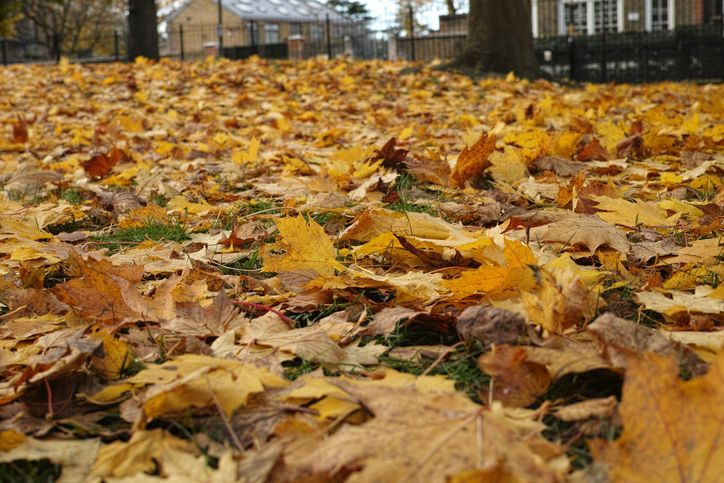
How Fall Leaves Could Be Causing Water Damage to Your Home
By Rocket Websitez November 26, 2025
Don’t let autumn leaves put your home at risk. Discover how leaf buildup leads to drainage and foundation issues, and how to stop it now.
Real Stories, Real Results: What It’s Like to Work with Pittsburgh Drain Guys
By Rocket Websitez October 6, 2025
Discover real stories from Pittsburgh homeowners who solved water problems with honest, professional help from Pittsburgh Drain Guys. No upsells, just results.
More Posts

Author: Jay Nagy


Owner & Founded of J Bird's Landscaping. Years of experience in Pittsburgh lawn cutting, patio installation, trucking/hauling, French drain installation, and other landscape/design services.